Errant Thoughts
About Andrew Cusack
 Writer, web designer, etc.; born in New York; educated in Argentina, Scotland, and South Africa; now based in London.
 read more
News
Blogs
Reviews & Periodicals
Arts & Design
World
France
Mitteleuropa
Knickerbockers
Argentina
The Levant
Africa
Cape of Good Hope
Netherlands
Scandinavia
Québec
India
Muscovy
Germany
Academica
Better late than never
Old hat already, but following the announcement of Benedict XVI’s abdication, the Los Angeles Times solicited opinions from eleven American Catholics — among them your humble & obedient scribe — what they would like to see in the new pope.
I posted in on Twitter, but in case you didn’t catch it there, you can find my contributions (in addition to those of the ten others) at this link. (more…)
Irish Vienna
THE IRISH, of course, have a long history of interaction with Mitteleuropa, and with Vienna in particular, from the earliest days. After all, one of Vienna’s most prominent churchs is the Schottenstift which was founded in 1155 when Henry II invited monks from the Irish monastery at Regensburg to start an abbey in the capital of his margraviate (Austria was elevated to a duchy the following year, I think).
The Schottenstift and Schottenkirche are often known as the “Scottish Abbey”. This confusion results from the fact that Ireland was formerly known as Scotia in Latin. It was some time before Ireland became known as Hibernia and Scotland as Caledonia. (Scotland literally means “land of the Irish”).
Happily these links continue today. While recently staying in Vienna with a Galwegian friend of mine, a most devoted follower of Saint Coloman, I noted the Irish contents of his flat. (more…)
Hark, the Heralds!
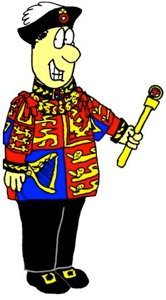
by Jack Carlson
133 pages, hardcover, $15.99
In anticipation of a party in Oriel recently, I enjoyed a pint with some friends by the fire in the King’s Arms and was given a copy of this book, mysteriously shrouded in a plastic bag. Jack Carlson’s Humorous Guide to Heraldry is a welcome addition to the Cusackian library. The author, who wrote the book when he was fourteen, is now an Oxford archaeologist (and rower) but his interests span a broad spectrum. (He is currently researching for a work on rowing blazers, a subject unjustly neglected by academics).
Aficionados of the light-hearted-guide-to-heraldry genre will notice one or two gentle riffs off of Sir Iain Moncrieffe of that Ilk’s Simple Heraldry Cheerfully Illustrated, and, since that book is long out of print, evangelists of heraldry will find A Humorous Guide to Heraldry a useful tool for introducing the uninitiated to the appreciable realms of this field. Godfathers will not want their spiritual charges to grow into adults without being able to distinguish the mêlée from the affronté and every life-long student of the world should be able to recognise a cinquefoil or a pheon.
In short: a worthy purchase for the heraldically inclined.
Jack Carlson’s A Humorous Guide to Heraldry is available here.
Pope Francis’s Arms
The Vatican released information about Pope Francis’s coat of arms on Monday but the image they provided of it was very poorly drafted. Many of us were waiting for the Italian heraldic artist Marco Foppoli to craft his own rendering of our new pope’s arms, and he has duly released it today (see above).
The central motif is the emblem of the Society of Jesus — the Christogram with nails on a sunburst. The star represents the Blessed Virgin while the sprig of nard-flower represents Saint Joseph, the patron of the universal church. Thus the three emblems on Pope Francis’s arms together represent the Holy Family.
Further info available from Il Foglio, Fr Z, and Whispers in the Loggia. (more…)
From the provost
The Provost of the Brompton Oratory, Fr Julian Large, warns Catholics not to let their attitude to the Pope be determined by the media
Shortly before his abdication, Pope Emeritus Benedict XVI delivered an address to the clergy of the diocese of Rome. He reflected on his experiences as an expert at the Second Vatican Council in the 1960s, and on that Council’s effects on the life of the Church. He spoke mysteriously of a contrast between the Council of the Fathers, meaning the proceedings that actually took place around the Pope in the Vatican, and what he called, a ‘virtual Council’, or a ‘Council of the media’. According to Pope Benedict, the real Council was firmly rooted in Catholic doctrine and aimed at renewing the Faith, while the ‘virtual Council’ as presented to the world through the media had a completely different, political, objective. Pope Benedict explained: “this Council [the ‘virtual’ one] created many calamities, so many problems, so much misery, in reality. Seminaries closed, convents closed, the liturgy was trivialised.” Pope Benedict even lamented that this ‘virtual Council’ was stronger than the official Council itself.
Whether or not we agree with this interpretation of the hermeneutics of the Second Vatican Council, we must acknowledge that the media in the world today exerts a formidable power over the information that ultimately determines how we think and live. (more…)
Una bellissima città mai costruita
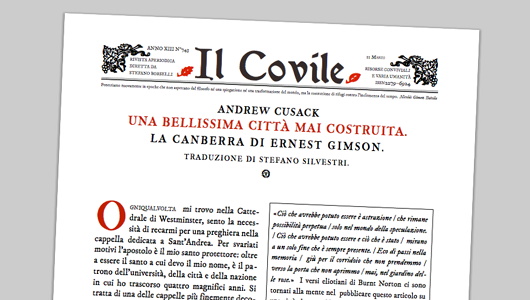
Thanks to Stefano Borselli, the editor of the fascinating periodical Il Covile, you can now read my article on Ernest Gimson’s design for the Australian capital in Italian; click here for the pdf.
I write overwhelmingly in English, and every now and then in Afrikaans, but previous bits of my work have been translated into French, Spanish, Swedish, and Catalan. Naturally, I am very pleased and grateful to Dottore Borselli that I can now include the language of Dante in that mix.
Languages are tricky things. I was raised in English, and studied French at school, along with Afrikaans and Irish in more recent years, but I would really like to improve my German and my Italian. This probably means ending up a jack of all trades and master of none, but one must try…
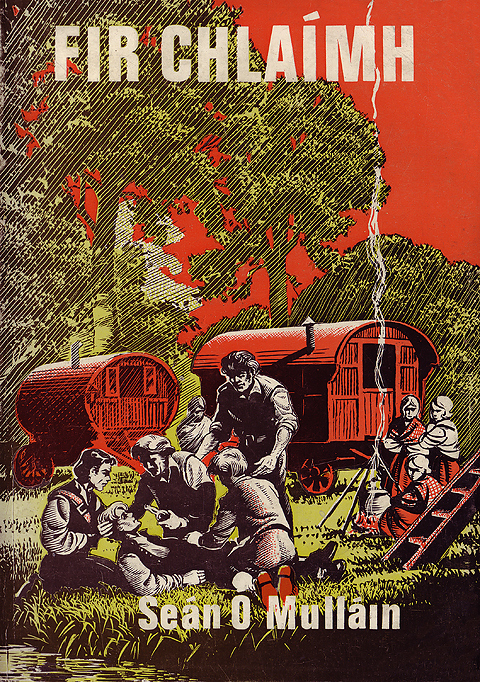
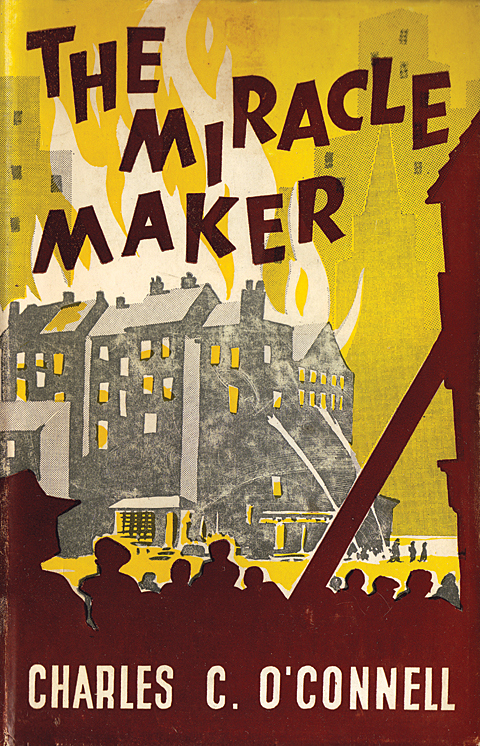
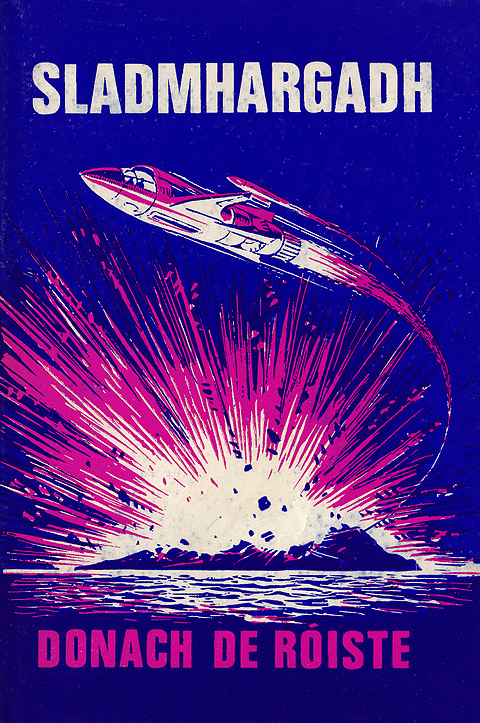
The Swiss model
Harold James advocates scaling up small country democracy, if the members of the European Union are ever to succeed in settling upon a working model of democracy. He explains why the Swiss model of “Konkordanzdemokratie” has much to offer.
From Schweizer Monat via Eurozine.
SWISS PEOPLE TEND to regard their political, social and economic order as something quite unique, that cannot be replicated elsewhere. That is a pity. Switzerland would not only do other countries a terrific favour by exporting its political and social order; it would also help make its own existence more viable, in the midst of an environment that has become quite threatening. Exporting Swissness would be an act of self-interest and not just altruism.
The members of the European Union are in desperate need of a working model of federalism and of democracy. Are there any useful or instructive foreign models for modern Europe in its hour of need? The history of the United States has some appeal. Many Europeans now regularly cite Alexander Hamilton’s famous negotiation in 1790 of the assumption of state debts by the federal government as a model for how a United States of Europe might be created. But the actual turn of events is less than appealing. The individual states embarked on a borrowing binge in the late 1830s, that was then followed by widespread default in the early 1840s. The revenue stream that was used to service the federal debt – the external tariff – represented a necessary part of the Hamilton scheme that was also inherently and intensely conflictual, and proved to be a cause of increased tension between the American North and the South.
Situated in the heart of Europe, the Swiss experience might offer a superior example for modern Europeans. (more…)
Gardone 2013

The daily programme of events for the twenty-first Gardone Riviera Summer Symposium organised by the Roman Forum has been released and is worth taking a look at.
As usual, there are a wide variety of subjects to be covered at the annual event:
Understanding of Order and the Modern Age of Extremes
• City Planning, and Catholic Christendom: Baroque and Post-Modern
• The Secularization of the Religious Feast Through the Concepts of
Weekend and Leisure Time
• Catholic Regime Change Today: The Model of the Italian Opera dei Congressi
And many, many more! The overall theme of this year’s gathering is “The Divine Comedy Versus the Theater of the Absurd: Navigating a Path Between Scylla and Charybdis”. For more information, head over to the relevant page on the Roman Forum website.
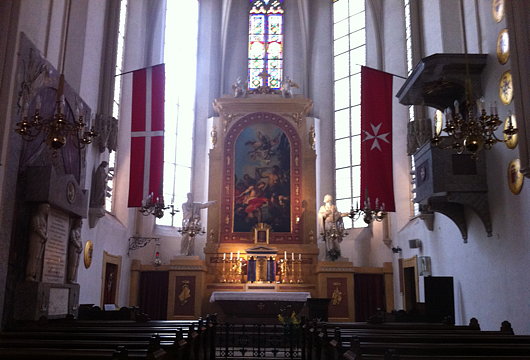
The Malteserkirche, Vienna
I happened to stumble upon the Order of Malta church in Vienna while meandering down the Kärntner Straße in the middle of a snowy day. It’s a small and relatively simple church consisting of a Gothic nave with an organ gallery. The Order has occupied the site since 1217, though the bulk of the current church dates from the fifteenth century. In 1806, Commander Fra’ Franz von Colloredo had the façade remodelled in the Empire style fashionable at the time. The altarpiece, a painting by Johann Georg Schmidt depicting the Baptism of Jesus by John the Baptist, is from a few decades earlier in 1730, and there is a splendid Neoclassical monument to Jean de la Valette including telamonic Saracens. The church is also decorated with forty coats of arms: five of grand priors, one cardinal, a grand commander, twenty-nine commanders, and one bailiff.
Grazie
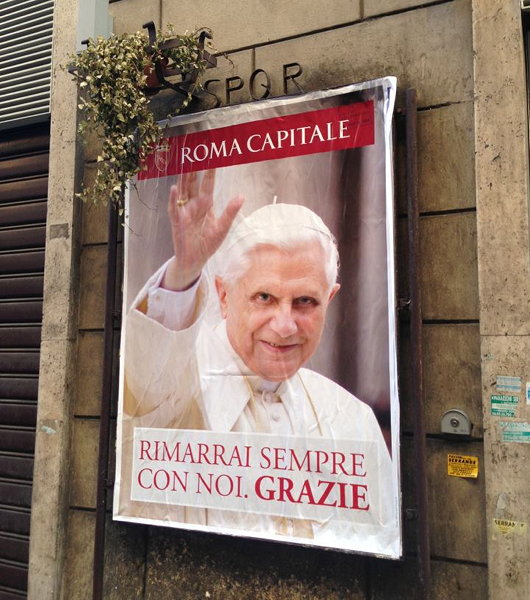
“You will always be with us. Thank you.”
The municipal authorities have put these posters up all around Rome.
The Lenten Evening Oratory
Brompton Road, SW7 2RP
Lent 2013
Evening Oratory
with the Fathers
in the tradition of St. Philip Neri
WEDNESDAYS at 6.30pm
20.Feb.2013 – Little Oratory
The Oratory Choir
The Three Lenten Tasks: tasks for all the year
27.Feb.2013 – Little Oratory
London Oratory School Schola
Adversaries of the Spiritual Life: The Flesh, The World, The Devil
6.Mar.2013 – Little Oratory
The Oratory Choir
Our Lord speaks to His followers before the Passion
13.Mar.2013 – The Church
Holy Hour during 40 Hours Exposition (Quarant’Ore)
20.Mar.2013 – Little Oratory
Oratory Junior Choir
Our Lady’s Dolours (texts from Stabat Mater)
27.Mar.2013 – The Church
Tenebrae in Cena Domini
Vigil of Prayer at the Oratory
until
Friday 1 March 7am
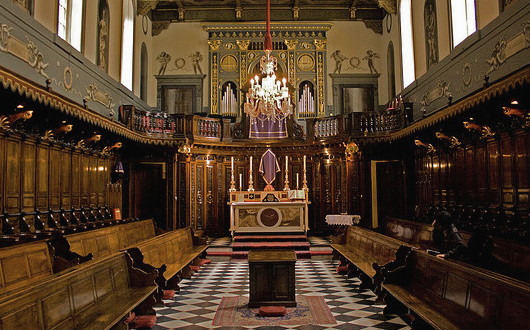
There will be an Adoration Vigil (Exposition of the Blessed Sacrament) in the Little Oratory praying for the Church as we end the pontificate of Pope Benedict XVI, thanking God for all the graces during this pontificate and asking the guidance of the Holy Spirit for the cardinals as they meet to elect the new Pope.
The Vigil will begin Thursday 28 February at 9.30 in the evening and conclude with Mass at 7am the following morning.
Brompton Oratory
Brompton Road
London
SW7 2RP
Squabbles Over Szekler Flag
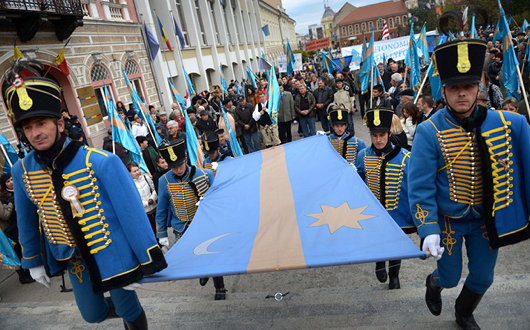
In Transylvania, a “flag war” has broken out between Romanian politicians and the representatives of the Hungarian-speaking Szekler people. As România Libera reports, no one is offended by flying the old Hapsburg flag over the fortress of Alba Iulia (De: Karlsburg, Hu: Gyulafehérvár), the Romanian government takes umbrage at the appearance of the blue-and-gold flag of the Szekler (or Székely) people who live primarily in three of Transylvania’s counties. (more…)
London Lately
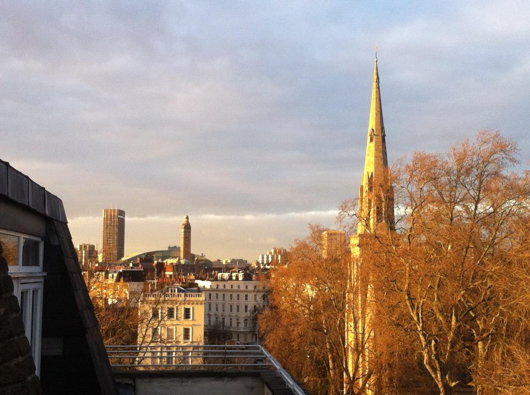
From a Pimlico rooftop, Friday afternoon.
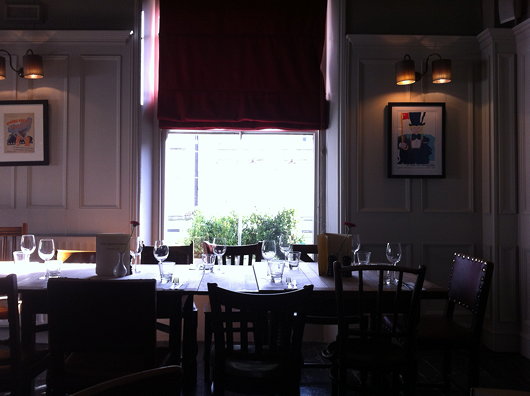
At lunch, Friday.
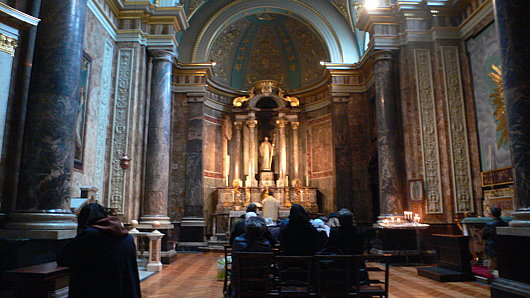
A Saturday Mass in St Wilfrid’s Chapel, the Oratory.
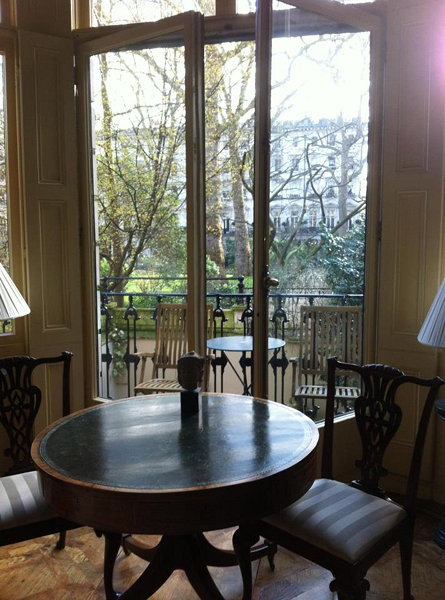
A surprisingly sunny afternoon, yesterday in Ennismore Gardens.
Protestant King in His Catholic Realm
George VI in Quebec
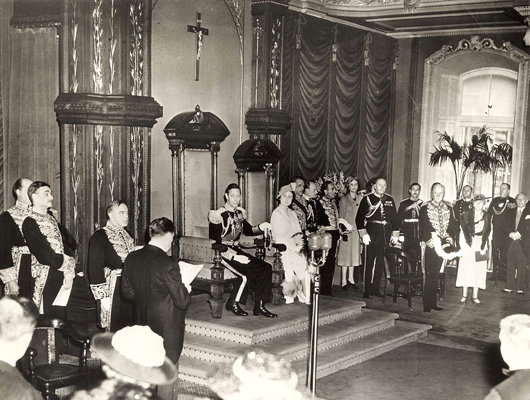
In the midst of some unrelated research the other day, I came across these photos of George VI on his first visit to Quebec as King in 1939. I think the Parlement du Québec is probably the only Commonwealth legislature to have a crucifix in its plenary chamber (c.f. ‘Christ at the heart of Quebec’, 25 May 2008). No, no, of course the Maltese do as well, in their surprisingly ugly parliament chamber. But Malta is now an island republic, while Quebec retains its monarchy.
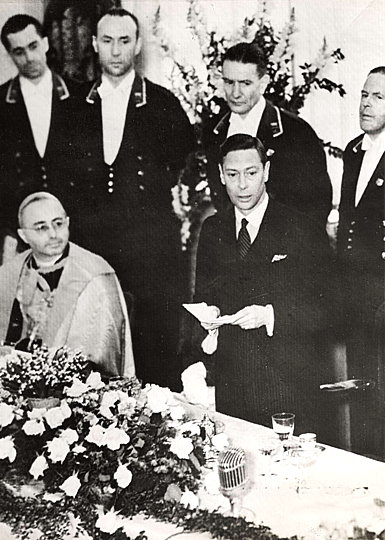
In the above picture, the King and Queen of Canada hear a loyal address in the Salle du Conseil législatif of the Hôtel du Parlement in the city of Quebec. Below, the King speaks at a state dinner in the Chateau Frontenac. Seated is Cardinal Villeneuve, the Primat du Canada and Archbishop of Quebec.
Ten Random Photos of 2012
In roughly chronological order
Such has been the massive exodus from Facebook that I am forced to return to my previous practice of sharing random photographs via this platform. I suppose it’s just as well, as it will assure relatives in other places that I am actually alive. Keen observers will note that there are, in fact, more than ten photos, but nevermind. Apologies for the lack of explanation and the occasional in-joke (that’s in-joke… with a ‘Y’).
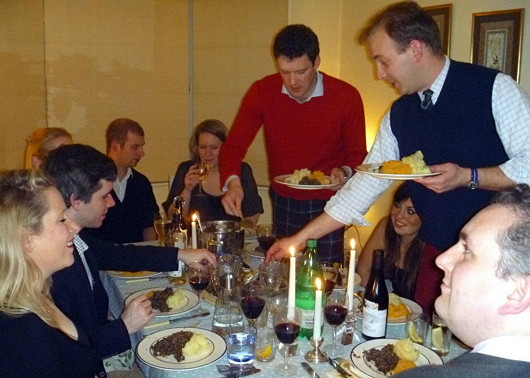
Burns Supper, Fulham.
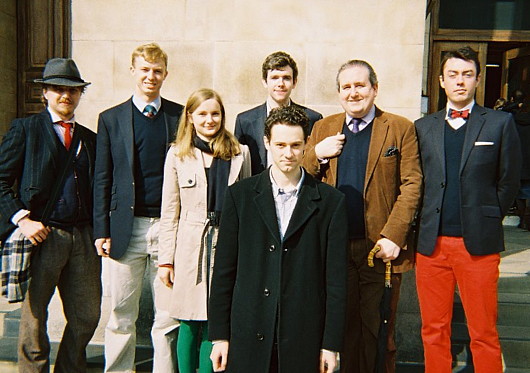
Reunion of Scottish University Students, outside the Brompton Oratory.
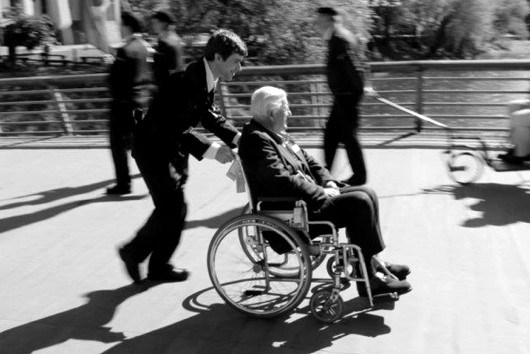
Me and Johnny at Lourdes.
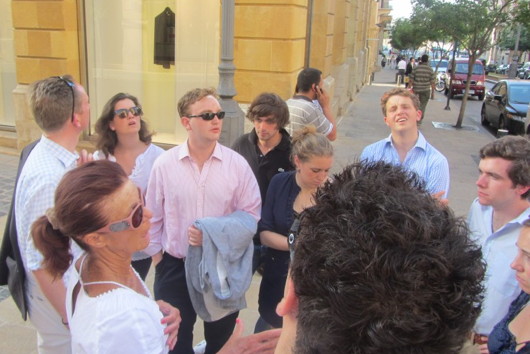
Downtown Beirut.
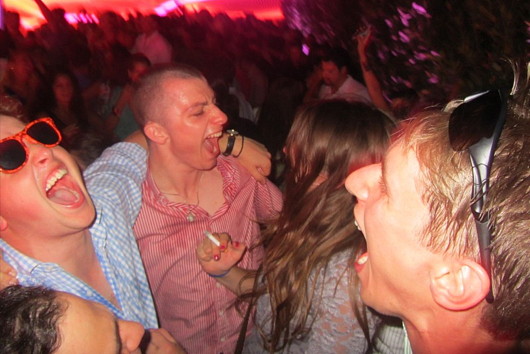
Nightclub, Beirut.
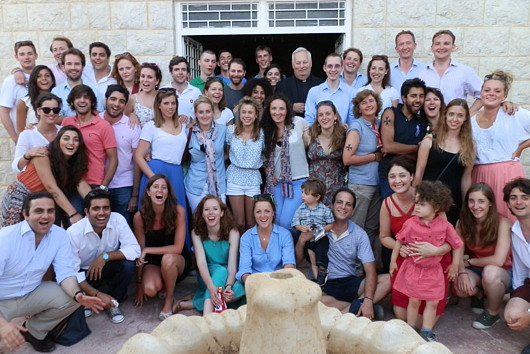
Party chez Jabre in the Lebanese mountains.
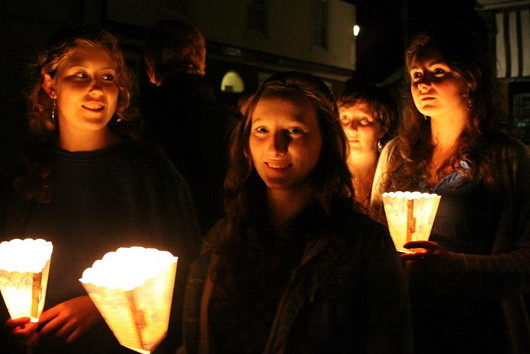
Marian procession, Malta pilgrimage, Walsingham. (Photo: Stephanie Kalber)
Autumn Drinks afterparty (disaster!) & Chabrouh fundraiser the next night.
Anastasia’s birthday.
A midwinter night’s run-into on the KR.
Yuletide, the West Country (…with a ‘Y’).
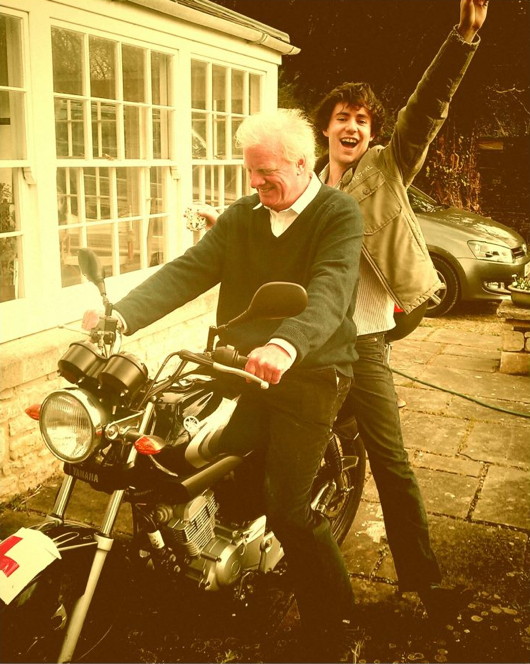
The Photo of 2012: Don Finiano convinces our favourite Member of Parliament to try out his new motorbike.
Don Bosco in London
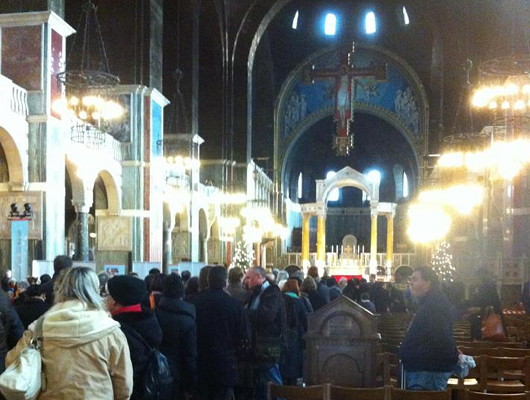
Just went to venerate the relics of Don Bosco, which are doing a UK-wide tour organised by the Salesian order. There was quite a crowd waiting for the Saint’s earthly remains to be unveiled at 2 o’clock — suprising for early afternoon on a workday. Before the relics were even made viewable there were pilgrims huddled around the veiled reliquary, whom the organisers eventually had to shoo away in order to organise some proper veneration.
The faithful are able to venerate the relics at Westminster Cathedral from 2:00pm to 8:30pm today and tomorrow only, after which they will spend the next two days at St. George’s Cathedral in Southwark before returning to Italy.
The ingenuity of eighteenth century furniture
The Metropolitan Museum is hosting an exhibition, Extravagant Inventions: The Princely Furniture of the Roentgens, that continues for just a few days more. The show looks at the work of Abraham Röntgen and his son David, whose workshop created the most extraordinary pieces of furniture. A few of them are presented here in videos: above, a secretary cabinet, and below, a writing desk, dressing table, and automaton of Marie Antoinette. (more…)
Tradtastic Hertfordshire
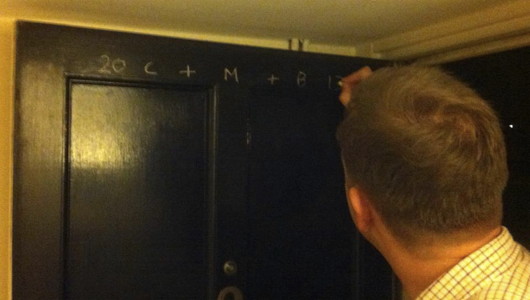
The bishops of England & Wales cunningly arranged for the Feast of the Epiphany to fall on the actual Epiphany this year. We had a great big festive lunch at our favourite little Italian place in South Ken, but the night before I went out to Hertfordshire, where I witnessed the tradition of a door being CMB’d with holy chalk for the new year (above).
Those unaware of this tradition can read a bit more here. The C+M+B stands both for Christus mansionem benedicat (“Christ bless this house”) and the names of the Three Magi: Caspar, Melchior, and Balthasar.
Search
Instagram: @andcusack
Click here for my Instagram photos.Most Recent Posts
- West Point July 30, 2026
- Brunel’s Unbuilt Capitol February 3, 2026
- Cricket at Fordham January 27, 2026
- Palacio Barolo Revisted January 14, 2026
- Learning to Love Liguria January 14, 2026
Most Recent Comments
Book Wishlist
Monthly Archives
Categories