History
About Andrew Cusack
 Writer, web designer, etc.; born in New York; educated in Argentina, Scotland, and South Africa; now based in London.
 read more
News
Blogs
Reviews & Periodicals
Arts & Design
World
France
Mitteleuropa
Knickerbockers
Argentina
The Levant
Africa
Cape of Good Hope
Netherlands
Scandinavia
Québec
India
Muscovy
Germany
Academica
Cricket at Fordham
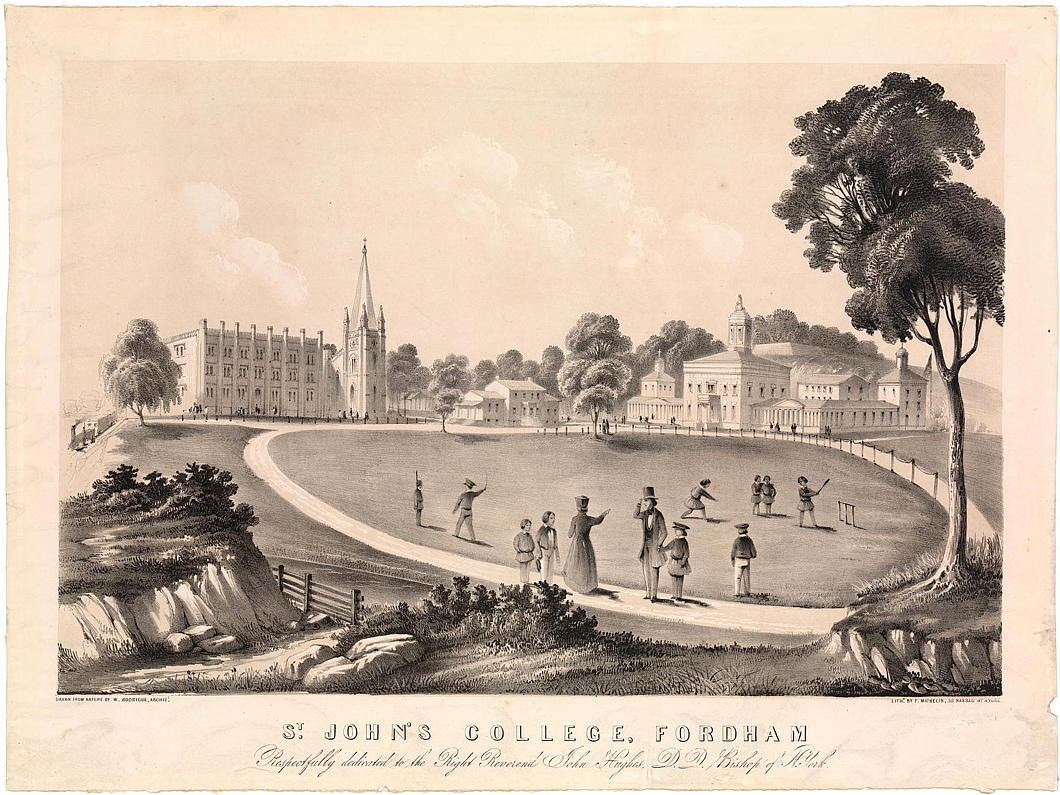
Because it was eclipsed by baseball, an infinitely more indigenous pastime, people often forget that cricket was quite a widespread and popular sport in the United States. It wasn’t until the Civil War that baseball really took over, aided by its shorter play time and the wider national mood. (Doubtless someone has, or will, write a scholarly article on this.)
It survived a few generations more as something of an elite sport, more strongly in Philadelphia and its environs, as well as in colleges and universities. The interwar period pretty much killed it off, only to be revived in interest amongst Americans by seeing it played by urban immigrant communities from the West Indies and the Subcontinent. The last time I checked there was even a cricket oval being laid out on the banks of the Mohawk river, across from the farm Jan Pieterse Mabee purchased from Daniel Janse Van Antwerpen in 1705.
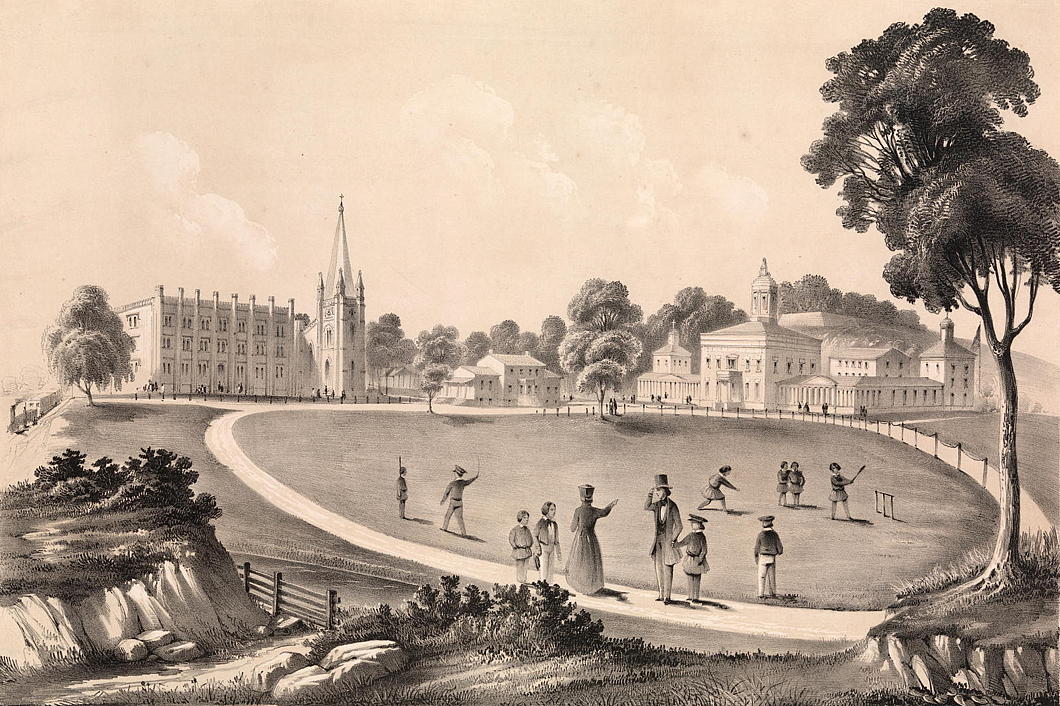
This charming rustic scene shows children playing cricket on the grounds of St John’s College, Fordham, with a priest speaking to a gentleman out on a constitutional with his son. As the college advertised itself in an early prospectus:
This institution, incorporated with the privileges of a university by an act of the Legislature, is situated near the village of Fordham, in a most picturesque and healthy part of the county of Westchester, at a distance of about eleven miles from the city of New York and three from Harlem. It is of easy access at any season of the year, by private conveyance or by the railroad, which passes immediately along the borders of the beautiful lawn in front of the college. The buildings are large, elegant and commodious; the grounds extensive and tastefully laid out.
This part of the Bronx remained within Westchester until 1874, when the parts west of the Bronx River were added to New York County. The remainder of the Bronx was ceded in 1895 and was created a borough of the consolidated City of New York in 1898, though only erected as its own county in 1914 (minus Marble Hill, which is another story entirely).
The engraving was drawn by William Rodrigue, a Philadelphia architect who later became associated with New York’s James Renwick, the designer of Grace Church and St Patrick’s Cathedral. Rodrigue auspiciously married the sister of one Fr John Hughes, who became Bishop of New York in 1842 — and the first Archbishop when the see was raised to metropolitan status in 1850.
St John’s College, now Fordham University, was one of Hughes’ pet projects, and perhaps unsurprisingly Rodrigue was chosen to design many of the earliest college buildings on the former Rose Hill estate, in addition to teaching mathematics, geometry, and drawing. He lived with his family in an outbuilding on the estate that now houses a coffee shop named “Rod’s” in his honour and his sons were among the earliest students of St John’s.
The first buildings Rodrigue completed were the chapel and the residence, the latter of which is still known as St John’s and forms one of the three sides of Queen’s Court, now a residential college within the university. The chapel benefited from stained-glass windows donated by the King of France for the (currently flourishing) old St Patrick’s Cathedral but which were found to be the wrong size and so incorporated into what is now the University Church.
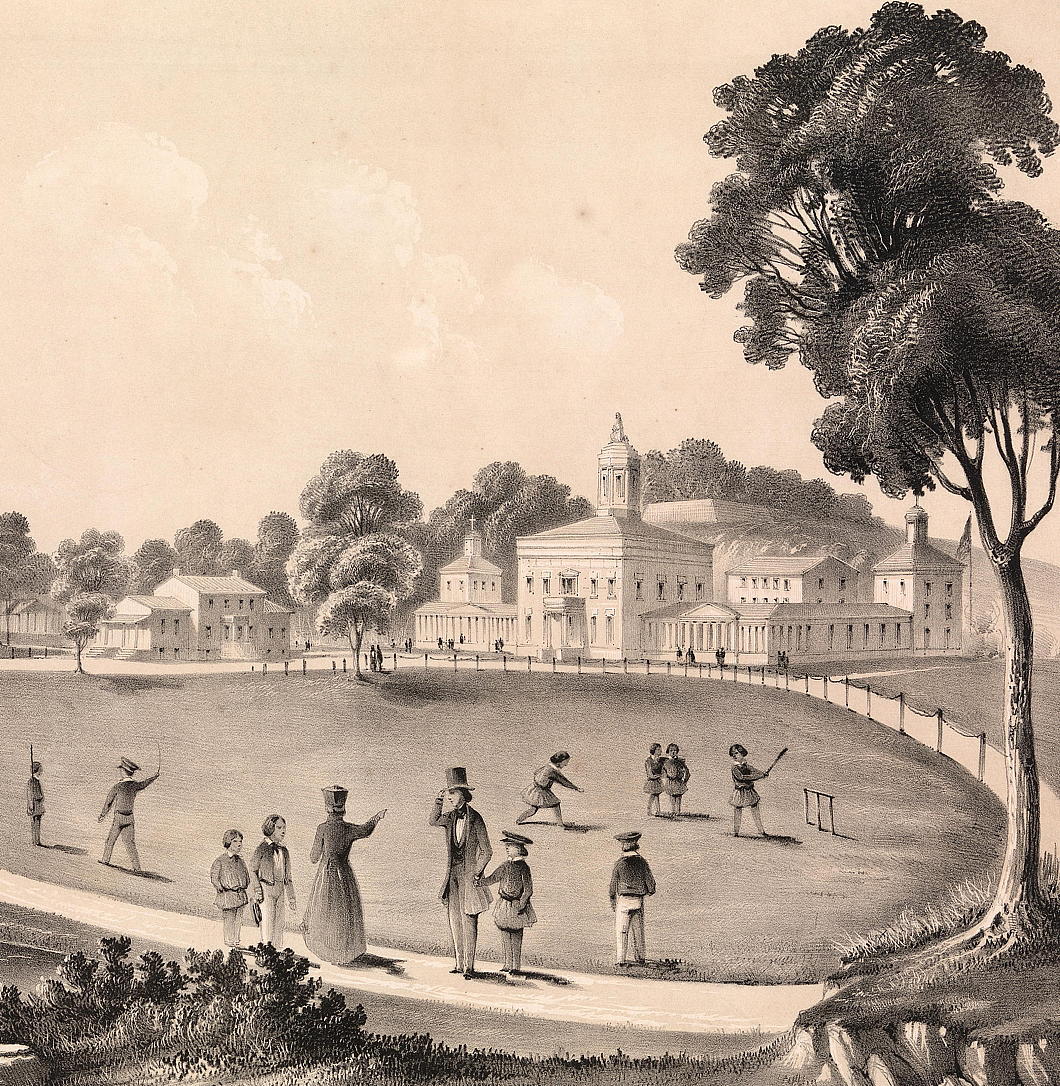
The building in the right background of the view was the main house of the Rose Hill estate purchased by Bishop Hughes. For a long time it was known as the Administration Building or the Manor House, though as it dates from the 1830s it has no direct connection to the Manor of Fordham granted to Jan Arcer by Governor Lovelace in 1671 (other than sitting on the land of it). More recently it was renamed Cunniffe House thanks to the generosity of Maurice J. “Mo” Cunniffe, Fordham Class of 1954. The wings have been much altered but the central block of the house remains largely intact.
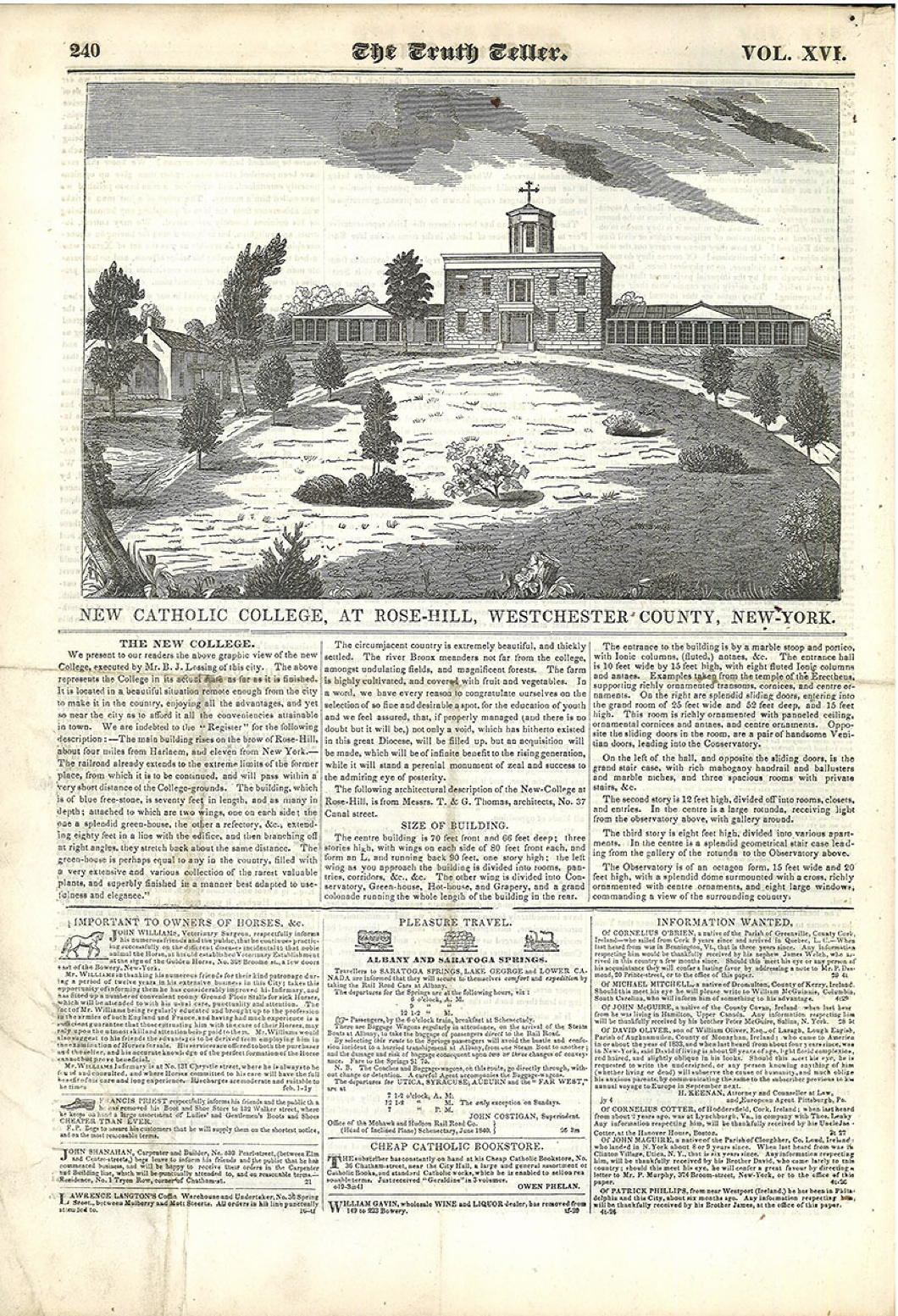
In 2019, the university’s emeritus professor of history, Dr Roger Wines, discovered the earliest known image of the institution while sifting through periodicals at the Philadelphia archdiocese’s research centre.
“It is located in a beautiful situation remote enough from the city to make it in the country,” the accompanying text in The Truth Teller, an early Catholic newspaper of New York, explained, “enjoying all the advantages, and yet so near the city as to afford it all the conveniences attainable in town.”
“The circumjacent country is extremely beautiful,” it continues. “The river Bronx meanders not far from the college, amongst undulating fields, and magnificent forests. […] We have every reason to congratulate ourselves on the selection of so fine and desirable a spot for the education of youth.”
The writer assures the college “will stand a perennial monument of zeal and success to the admiring eye of posterity”.
Churchill’s Beguinage

The last beguine Marcella Pattyn was born in Thysstad, the Belgian Congo, in 1920 and died in the beguinage of Kortrijk in West Flanders in 2013.
At the time many were tempted to mark this as the final chapter in a legacy dating back eight-hundred years, but I would not be surprised if the beguines made at least a partial comeback.
One can easily imagine a town like Oxford hosting a beguinage for the many pious ladies pursuing lifelong academic interests but seeking some sense of Christian life in common. (And the perfect property for it has just come on the market if a patron with deep pockets can be found).
Who were the beguines? As The Economist explains:
Appearing around 1200 in the Low Countries, the Beguines’ semi-religious lifestyle forged a third way for women. Though its chaste sisters, of all ranks and fortunes, prayed together, they were not bound by permanent vows. Beguines belonged to no religious order, so made their own rules.
They lived apart from society in beguinages — self-sufficient clusters of individual houses grouped around a church—but could enter the town at will (though they had to return at dusk). That allowed for an exceptional degree of independence, unknown by their medieval sisters, whether wives or nuns. Even a married woman could become a Beguine (though few did: celibacy was prized).
Most Flemish beguinages were built in urban communities, near hospitals and leper houses. The sisters ministered to the poor and sick in their own infirmaries or at nearby hospitals. But they also washed raw wool and laundered sheets, earning their livelihood through Europe’s booming cloth industry; and, later, by making lace and weaving. Others worked on farms and in gardens.
No visit to Amsterdam is complete without an exploration of its Begijnhof. Somehow, the beguines of the city miraculously survived “The Alteration” of 1578, when Amsterdam’s Catholic city fathers were overthrown, seized, and expelled by a group of Calvinists.
The old chapel was given over to the city’s English Reformed community and many of the founders of New England worshipped there before heading off to land at Plymouth Rock. The Catholic beguines made do with a clandestine chapel built in one of the houses and the last beguine of Amsterdam died in 1971.
The Great Begijnhof of Leuven is likewise well worth a wander: it is an entire quarter covering ten streets. Having fallen into disrepair while owned by the state as alms-houses, it was purchased by the University in the 1960s and restored under the guidance of Professor (and Baron) Raymond Lemaire to house students and academics.
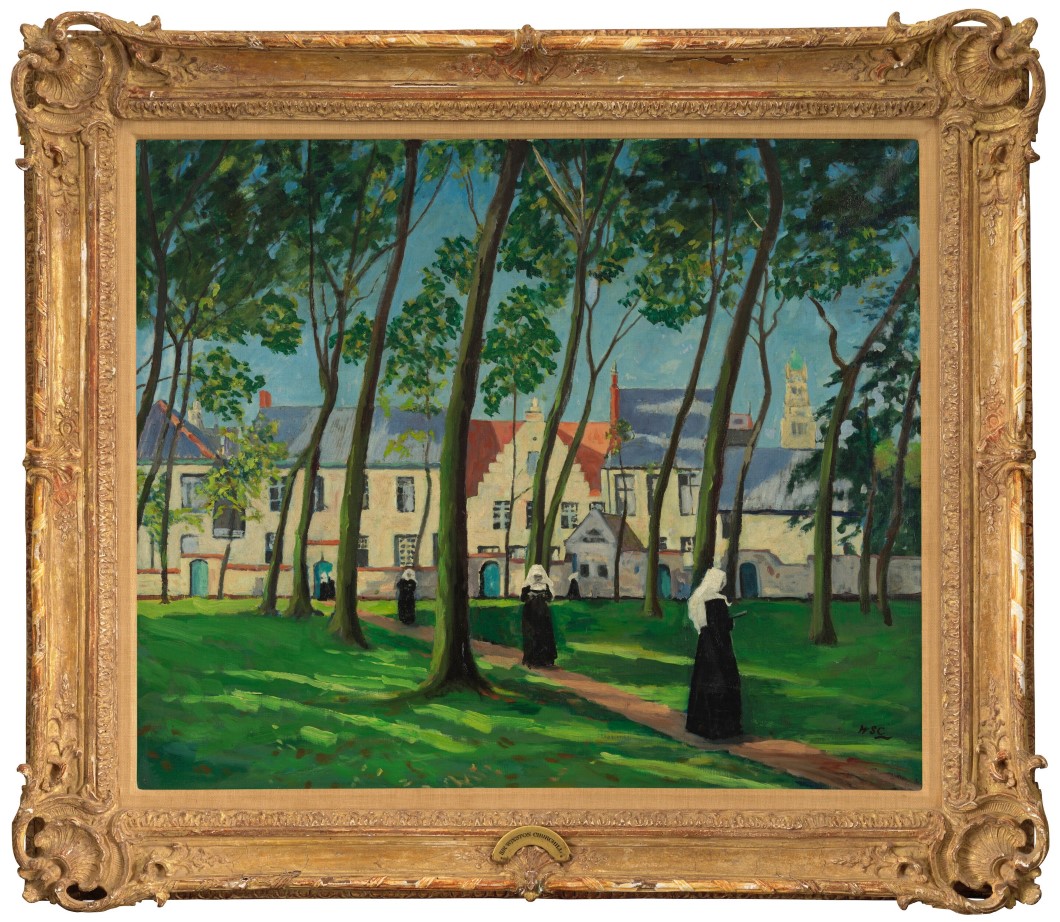
That inescapable man Sir Winston Spencer Churchill KG OM CH &c. counted painting amongst his many pastimes. A year after the British voter gave him the boot and expelled him from Downing Street, Churchill was amidst his typically extensive travels when he found time to visit Belgium and paint the beguinage of Bruges.
The sisters depicted are not actually beguines but Benedictines. They arrived at the Princely Beguinage Ten Wijngaerde in 1927 when the Grand Mistress’s house and adjacent quarters were converted into a convent. The overall site is now owned by the city of Bruges, but four Benedictine sisters remain. The other houses are run as secular alms-houses and sheltering for single women.
Churchill’s ‘Le Béguinage, Bruges’ is up for auction at Bonham’s later this month and the auctioneers provide Churchill’s secretary Grace Hamblin’s explanation of how she came to own it:
He put [a different painting] up and then he said, ‘What do you think of it?’ It was one of his most terrible paintings. And he must have seen my expression, because I wouldn’t dare to criticise it, I promise you, I know nothing about painting.
I said ‘Well, it’s not my favourite.’ And he said, ‘Which is your favourite?’ And I said, ‘Well, I love the Béguinage.’ So he said, ‘Oh, well, we’ll put that here.’
Some years later it went on exhibition with others to New York. When it came back and I was helping him unpack it, he said, ‘This is yours. Take it home.’ That’s all there was to it. Just like that… enough to kill anybody. I couldn’t believe it… to receive one of his paintings, and from him!’
The secretary had good taste.
My own collection of art by a parliamentarian — still just one item — started in a similarly haphazard manner.
I was walking down a street in Westminster one day when I came across a certain poet-painter-politician who shall remain nameless. He was parked in front of his house and packing one of his sons’ possessions into the back of his car to head off to university but was making an absolute hash of it.
I intervened saying “No, no, no: that’s no way to do it at all” and promptly re-organised the assembled items into a much more efficient arrangement. He thanked me and, as recompense for my small service, handed me a painting he had done of Santa Maria della Salute in Venice which still hangs in my somewhat meagre collection.
If you’d like to start your own collection of art by parliamentary painters, Churchill’s beguinage is going for a guide price of £300,000 to £500,000.
An Old Election in New Utrecht
In the 28 November 1868 issue of The Spectator, this account of an American village election was printed. The village in question was New Utrecht, founded in 1652 by our Dutch forefathers of old.
In 1868 it was still a village; today it is very much a neighbourhood of the Borough of Brooklyn, King’s County, in the City and State of New York.
Closer to home in Westchester, there are plenty of local offices up for the determination by citizens. It might be rather fun to stand for Town Clerk or Village Justice or Receiver of Taxes…
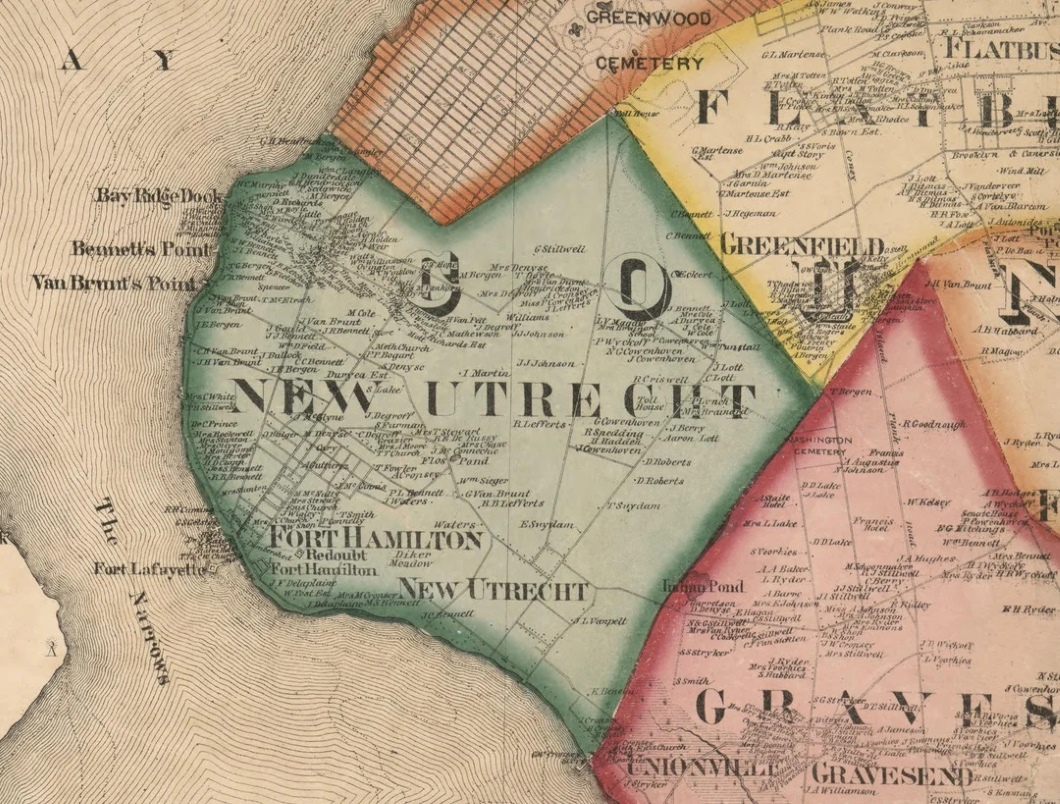
The polling-place was at the village of New Utrecht, from which the township takes its name. A township here is a sub-division of a county which manages its own local affairs by town meeting. It commonly includes several villages, from the oldest of which it takes its name; and at this all its public business is transacted, although in wealth it may be of all of them the least important.
New Utrecht was first settled by the Dutch, as its name bears witness, about two hundred years ago. Until within some thirty years a few Holland families, to which were added one or two of Huguenot origin, owned nearly all the land for many miles around; and even now, when you find yourself here in a company of farmers, it is safe to address two men in three as Van Brunt, Bergen, Cortelyon, or Bennet.
The Yankees have taken but little hold of this soil, but within the last twenty years there has been a great dispensation of Irishmen, owing to the nearness of New York and the cheapness of land, much of which, although it has owners, lies open and neglected in what are called commons, upon which shanties are huddled in little groups. After driving down the beautiful shore road, which is lined with small villa residences, and passing Fort Lafayette, the famous “Bastille” of the Rebellion, we struck across one of these commons to the road which leads to New Utrecht.
Half a mile from the shore we topped the highest point of ground in an area of many miles, and looked straight off upon the ocean. The blue above bent over a blue below; no dark, deep blue, but cold, bright, steely; the water looked like a flat sky bent back over the earth from the horizon. The road, which we soon struck, was good enough, but although the main road, it was so narrow that there was barely room for two waggons to pass each other. It is just the same little road that the Dutch farmers made when they settled the country. There has been no need for its enlargement or for any change in its direction; and it winds around little knolls and through deep cuts from this to that old farmhouse down to the village and thence to the water. Pleasant enough now, although rather desolate; in the winter it is often impassable, for the snow drifts into the deep cuts until it lies level with the laud on either side; and then sometimes these farmers do not for days go five hundred yards from their houses. And yet New York is but twelve miles away, and clear in sight pass the ships and the steamers that bear the greater part of the commerce between two hemispheres.
The village is a dead-and-alive little place, with its dead part very dead and its life sinking slowly into the salt ooze that borders the township seaward. The larger farmhouses along the road are lapsing languidly to ruin. Almost all of them are wooden buildings, but some of them were evidently the homes of men who lived handsomely as well as comfortably, and they have an Old-World look of gentility in their structure and their surroundings. But they have not been painted within the memory of this generation, the fences are broken, the gates unhinged, the grass and the walks neglected, and nothing has been done to keep up the groves of trees with which many of them are surrounded. A few of them are roofed with tiles that were brought from Amsterdam; and it is plain that there has long been an end to that importation.
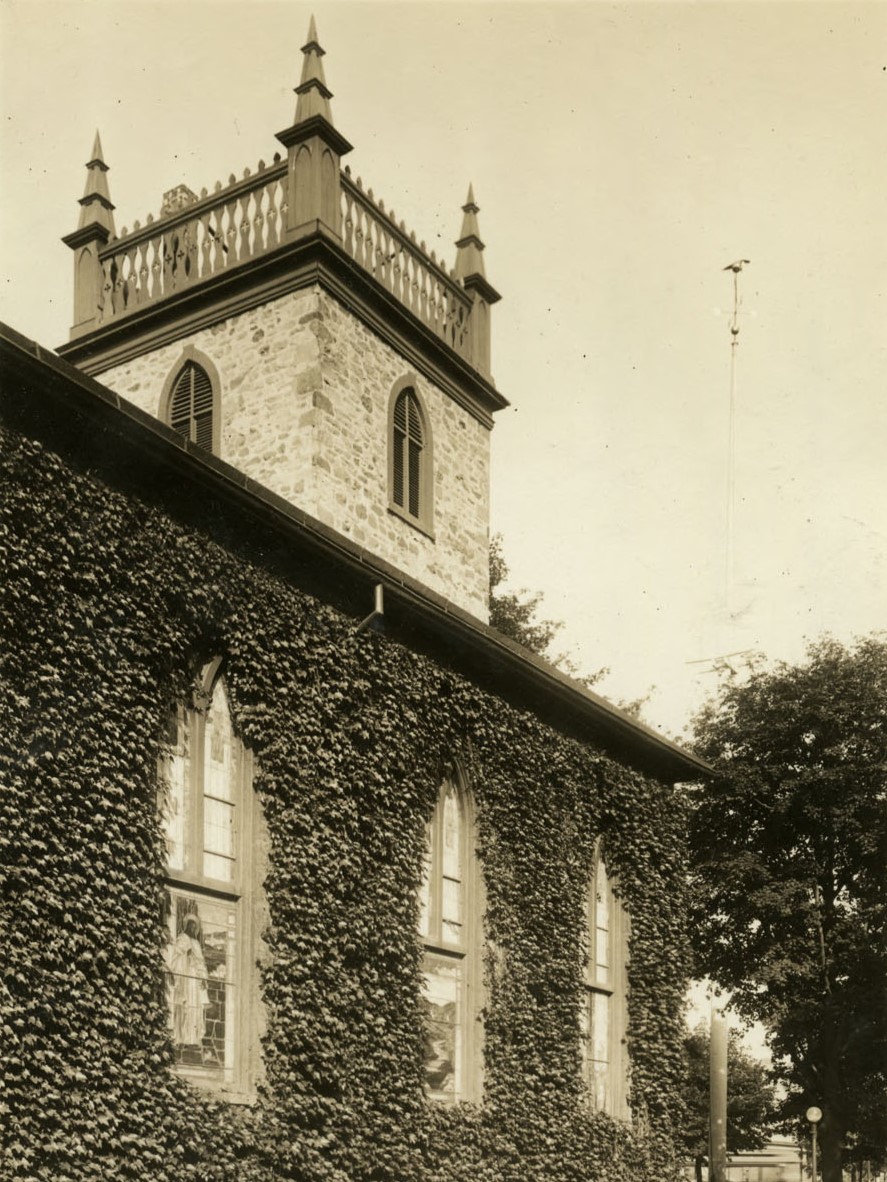
As we near the centre of the village, where two roads meet at right angles, the one in which we are not crossing the other, we see a pretty stone church with a square tower. It has some of the charm which age bestows upon buildings, but takes from man; but I am told by those who have entered it that within it is the most doleful and barn-like of all religious structures. Of course the faith preached here is that of the Dutch Reformed religion. There are Episcopal (Church of England) and Roman Catholic churches not far away; but they are in the parts of the township which are chiefly occupied by new comers. This church would have seemed more venerable to me if there had not arisen directly in front of it in the middle of the road a tall white flagstaff, topped by a gilt spread eagle, and from which on this occasion floated a spick-and-span new specimen of the flaming banner of the Union. The church and the flag are both good things in their way; but 1 like to take them separate it à la Russe as I do certain viands which some people mingle on one plate.
On the road we have met and overtaken carriages of all sorts, loaded well with voters. The most noticeable of these are the large farm waggons in which the people around here send their cabbages and turnips to the New York market. These have been hired by the political committees, or volunteered by their owners to bring voters from the remote parts of the township – voters who otherwise would hardly cast their ballots. They are almost all of them filled with Irishmen, no small proportion of whom are raw emigrants made into “American citizens” for the nonce, at the expense of the Democratic committee, who hunt them up and pay their fees of naturalization. For these men always vote the Democratic ticket, and “go it blind.” I have learned, however, that some of them down here, led by their more experienced and intelligent countrymen, have formed a society or club, the members of which vote on local questions for the man or the committee that pays the most money.
Treating here has little or no influence in elections; for whiskey and money are so plenty that the former does little for the spread of Democratic principles, except in the way of daily training. Filled although these waggons are with Irishmen going to or coming from the polls, there is no jollity in them, hardly a word spoken. The men ride along silently crouched together in the piercing wind.
Perhaps they may be chilled by our approach as well as by the stiff nor’-wester; for although the country around is a very hot-bed of Democracy, “a perfect Sodom and Gomorrah of Copperheadism,” as the gentleman who drove us said, we are all well known as staunch Republicans. I am soon confirmed in this conclusion; for one farm-waggon load of Irishmen as it passes us sets up a cheer, “Hurrah for Grant!” We are astonished. The physiognomy and the accent of the cheerers are unmistakable; and yet—Irishmen voting against the Democratic candidate! The thing is unheard of. And yet another waggon comes, and as it passes, up goes the same “Hur-r-rah for Grant!” Is the world coming to an end? Is ours a moral earthquake? I learned, too, that the gardener here, an intelligent North of Ireland man who has been in the country for fifteen years, walked the five miles to vote the whole Republican ticket. He declined an invitation to ride to the polls with the master of the house because, as he confessed in secret to one of the young gentlemen, he feared it might be thought that he had sold his vote.
As it was, he subjected himself to being called “a barrel of flour” by his Hibernian friends who voted against him, but being a powerful fellow he “polished off” one of them and settled that matter. The present of a barrel of flour (worth about twelve or fifteen dollars) to the “ould woman” seems to be one of the ways of bribery, and hence the reproach. Now, not one of these Irishmen is a Republican, and not one of them would have voted the Republican ticket if a War Democrat had been nominated instead of Mr. Seymour. But many of them had been in the Army, and most of them believe very heartily in the Union, although exactly what that Union is they seem to be almost as ignorant as some native “Americans.”
The polls are at the village tavern, which is the largest house in the neighbourhood, and has evidently been one of those fine old country taverns, rich in unpretending comfort and simple good cheer, which the railways are fast improving off the face of the earth. It is surrounded with vehicles of all sorts, most of them very humble and very much neglected; but a few of them the equipages of gentlemen of wealth who, like Dogberry, have two gowns and everything handsome. The stable-yard and the horse-shed are so full that we find a place with difficulty, under the guidance of two negro helpers. […] The steps and porch of the old tavern are filled with men, and so is the bar-room, where, however, no liquor is sold to-day. It is dismantled, and here are the ballot-boxes. They stand upon a board that rests on trestles, and behind them sit four or five men. They are the Inspectors of Election and a Justice of the Peace.
The voting is so quickly done, and with so little ceremony or fuss of any kind, that it seems strange that so trifling a matter should bring so many people together. A registered voter steps up, gives his name, it is found on the register, checked, he hands his ballots to an inspector, who announces that he votes for all, i.e., President, Governor, and Members of the Legislature, or for two or one of these tickets, the ballots are dropped into the box, and the voter gives place to another. The unregistered voter answers, under oath, a question as to his place of residence, gives a reason for not having registered himself, produces a known witness to the fact of his residence, and his ballots are also then received. In and around the tavern there is no more noise than if it were Sunday, and we were all at the old church opposite.
My friend’s wife, who did not want to come too near the poll, and who left us to wander about among the old grave stones, found the tenants of the churchyard hardly more quiet than these sober, silent farmers and labourers, who seem to do their little talking almost under breath. Outside, the only excitement is caused by a jackanapes, the fool of the village, who has rigged himself up in an old Zouave uniform, and is going through the manual with a rifle, at the command of some boys, little less silly than himself. We exchange a word or two with some friends, and then take up our fair companion, and drive home shivering through the crystal air, under overcoats and rugs, comforted but not warmed by the consciousness of having performed a duty at some sacrifice.
You will have learned long ere you see this letter that, Irishmen and all, we could not save the State for Grant, as well as that he could do without the State. The Democratic majority in the Metropolitan district (a part of which is this Bœotia) was too great to be overcome. It was increased by fraud without a doubt, but the votes thus cast were not numerous enough to materially affect the result, and Mr. Hoffman, the Democratic governor elect, is sure of his office. The important fact is that with all the enthusiasm for Grant and the disgust with Seymour, the Democratic vote was larger than ever before, and that the increase has been steady through the past twelve years. The Tribune vaunts the following increase in the Republican vote as “a record of which we have a right to be proud!”-1856, 17,771 ; 1860, 33,290 ; 1864, 36,681 ; 1868, 47,778: a notable increase truly, were it not for the suppressed fact that this (according to the Tribune Almanac) has been the increase of the Democratic vote: 1856, 41,913; 1860, 59,890; 1864, 73,709; 1868, 108,025. It is by such disingenuous fetches as this that political managers disgust people with politics.
The Long Homecoming of Eliza Monroe
A presidential daughter is reunited with her parents
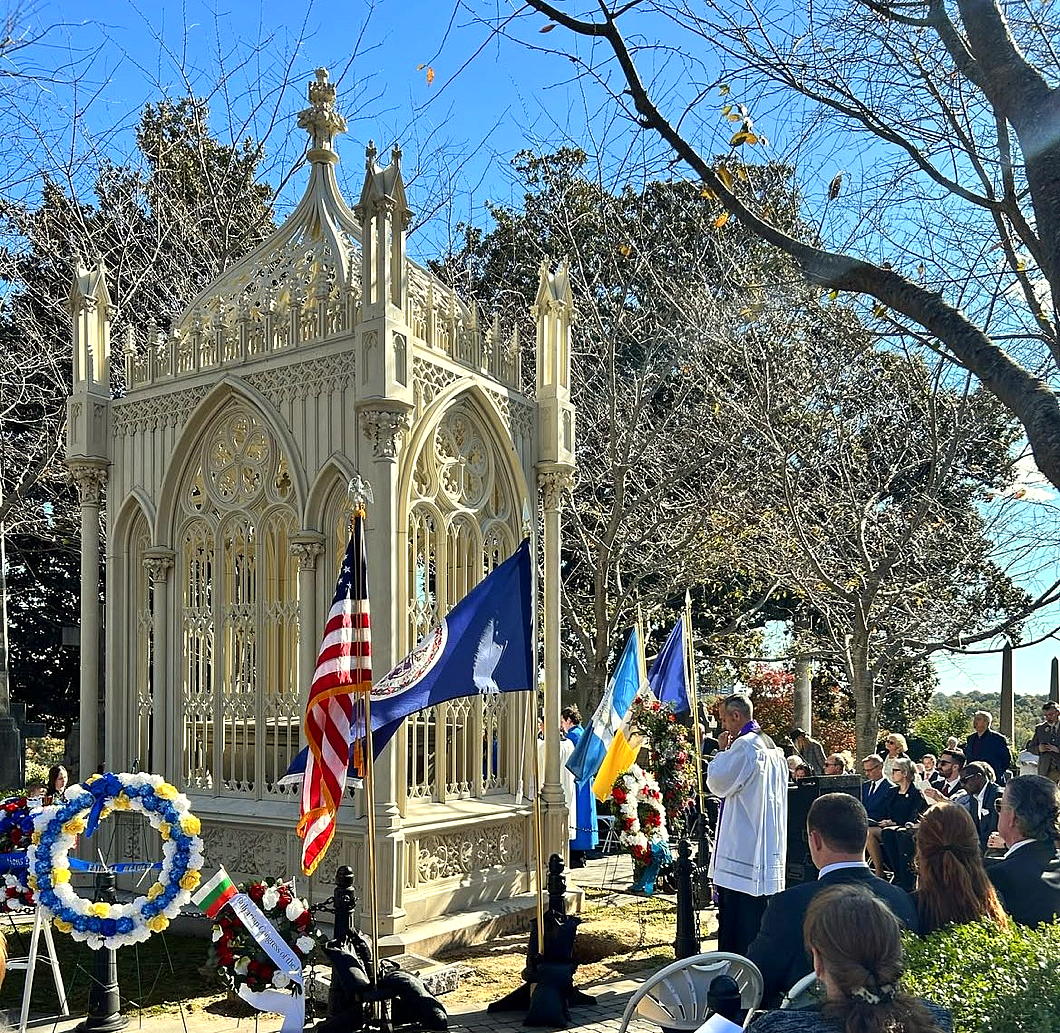
Nearly one hundred and eighty-five years after her death in Paris, the mortal remains of Eliza Monroe Hay — daughter of the fifth President of the United States — have been laid to rest in Richmond, Virginia. Her reburial beside her parents President James Monroe and First Lady Elizabeth Monroe marks the end of a long and curious chapter in the history of this illustrious American family.
The return of Eliza’s remains was the work of Barbara VornDick, a retired Virginia educator who spent more than a decade tracing Monroe descendants, searching archives and navigating French and American bureaucracy.
Working with the U.S. Embassy in Paris and the Diocese of Richmond, VornDick secured the exhumation and transport of Eliza’s remains from an unmarked Parisian grave to the family plot.
The Holy Sacrifice of the Mass was offered for the repose of Eliza Monroe Hay’s soul at the Cathedral of the Sacred Heart before the re-interment in Hollywood Cemetery on 23 October 2025.
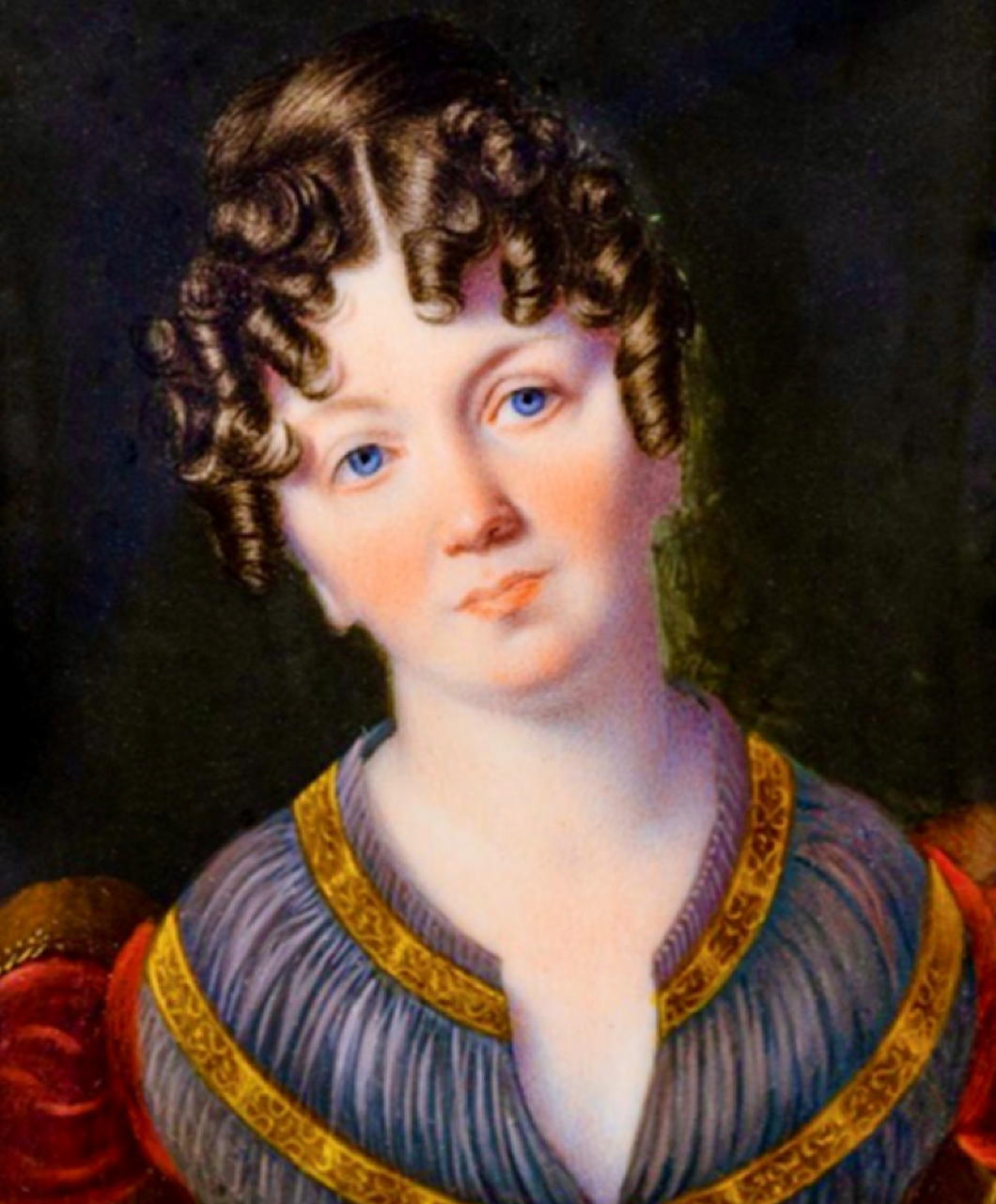
Born in Fredericksburg in 1786, Eliza Kortright Monroe grew up between Virginia and revolutionary France, where her father served as U.S. minister (as ambassadors were generally called then). A great part of her education took place in Paris where became accustomed to the courtly formality of Europe. Among the friends she made was Hortense de Beauharnais, stepdaughter of Napoleon and eventually queen consort of Holland as the wife of Lodewijk I (Luigi Buonaparte), the Emperor’s younger brother.
When James Monroe became president in 1817, her mother’s poor health led Eliza to assume many of the social duties expected of the chatelaine of the White House. Later commentators sometimes judged her reserved manner harshly, but it reflected both her upbringing and her experience of diplomacy.
In 1808 Eliza married George Hay, a Virginia lawyer best known as the U.S. Attorney who prosecuted Aaron Burr in his trial for treason before Chief Justice John Marshall the previous year. They had one daughter who was christened Hortensia after the mother’s childhood friend who acted as godmother. Hay died in 1830, followed within a year by Eliza’s mother and father.
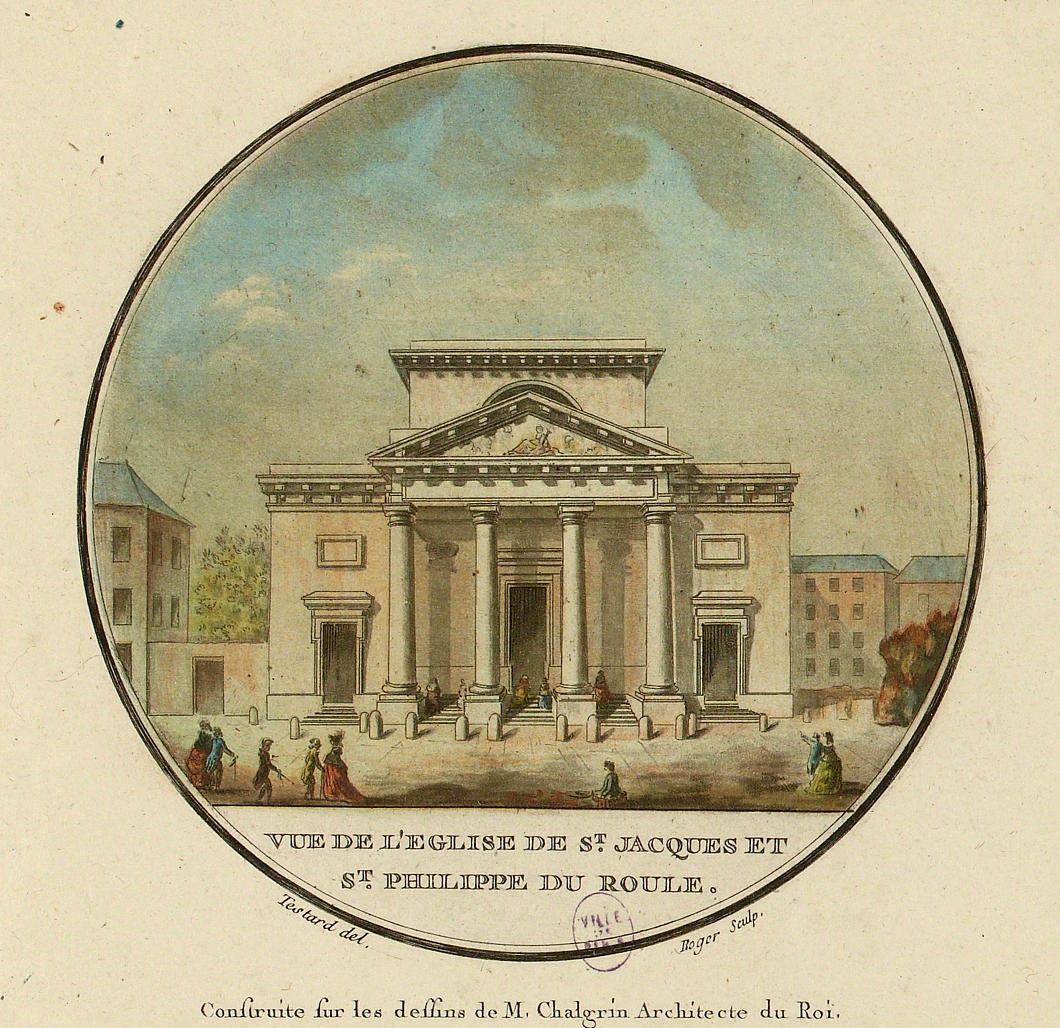
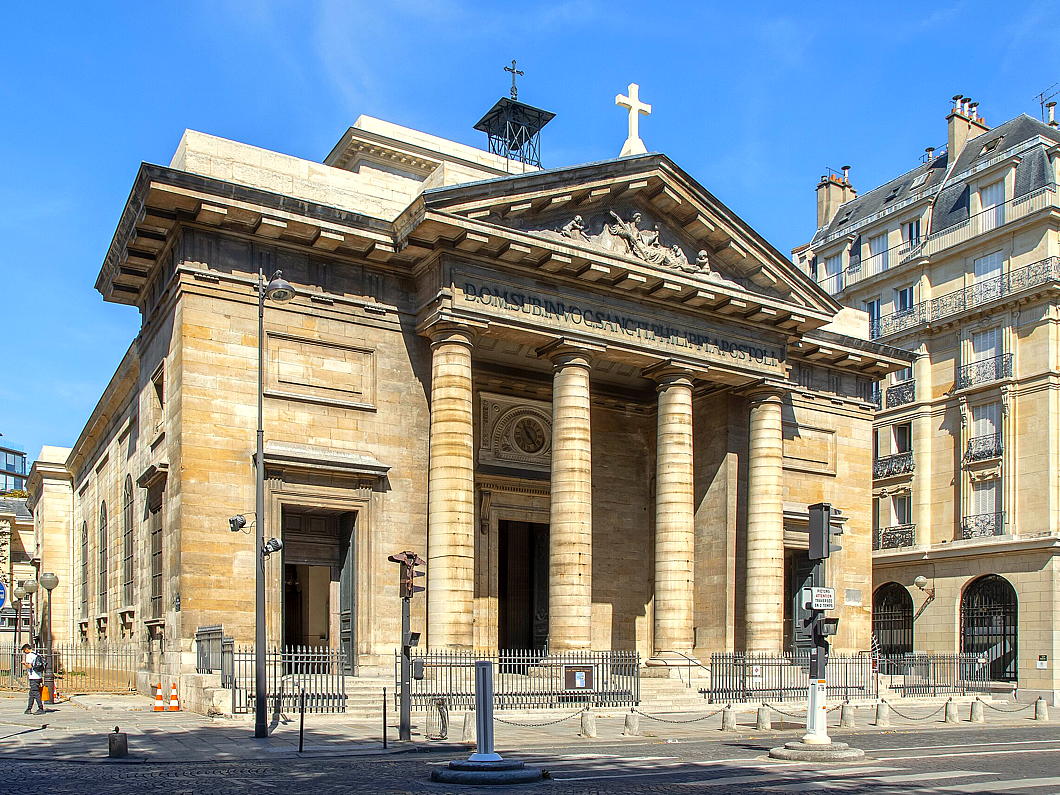
Widowed, grieving, and facing financial difficulty, Eliza returned to Paris, where Louis-Philippe had usurped the throne. Back in the French capital, Eliza embraced the Catholic faith and was received into full communion with the Church. Records identify her as a member of the parish of St-Philippe-du-Roule in the Faubourg Saint-Honoré. In 1833, she went on pilgrimage to Rome where she received a cameo depicting the head of Christ from Gregory XVI’s secretary of state.
Eliza’s final years in Paris were not entirely happy ones. A family member had deprived her of what she thought was her inheritance and she persevered in a state of penury with few possessions. Eliza Monroe Hay died in 1840, with a funeral Mass offered in her parish church and her unmarked grave purchased by the American consul, Daniel Brent.
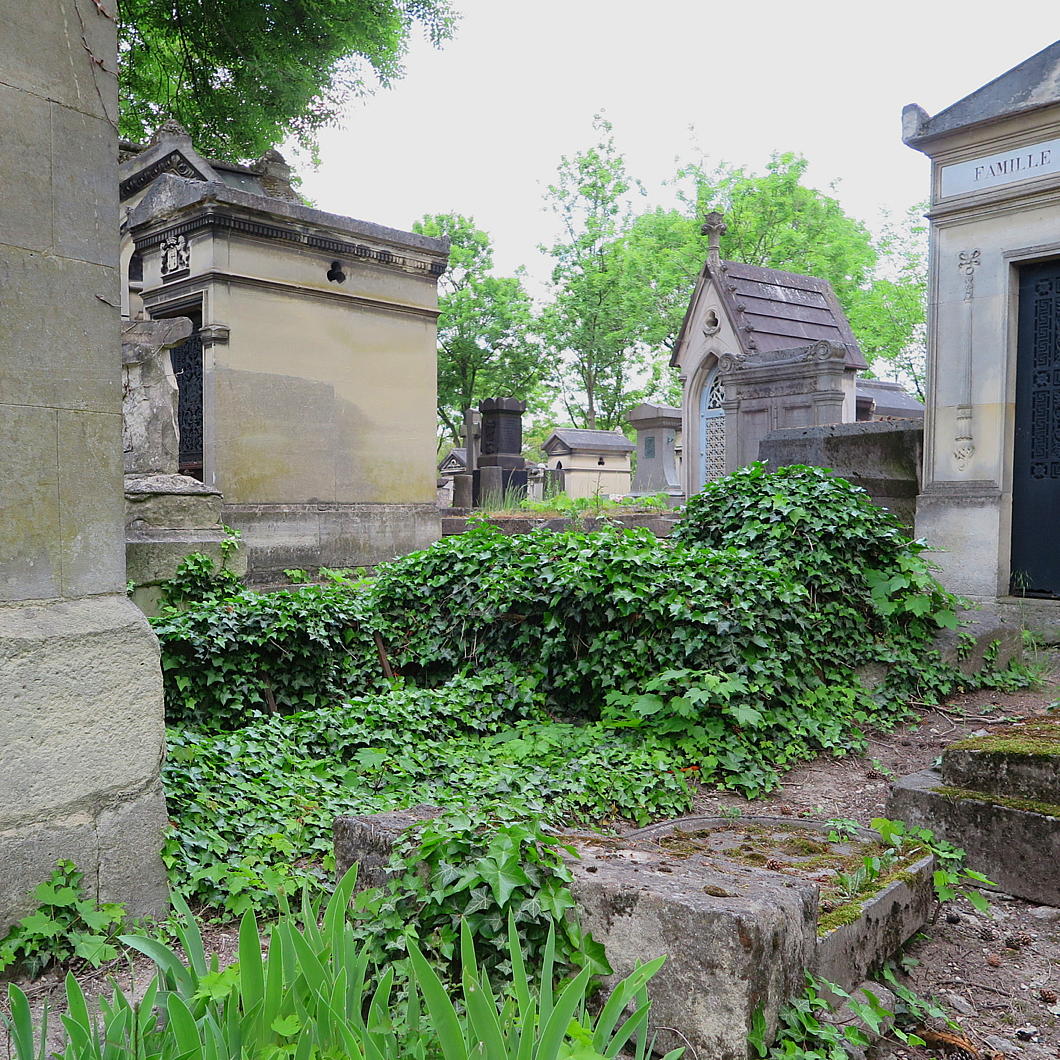
The unmarked grave of Eliza Monroe Hay.
Her memory faded, surviving mainly in family lore. The rediscovery of her letters and her reburial in Virginia have brought her back into view: a woman of faith and dignity, wronged in inheritance, isolated by loss, and now restored to her place among her own thanks to VornDick’s efforts and to her biography Eliza’s True Story: The First Biography of President Monroe’s Eldest Daughter.
For generations a family tradition held that Eliza entered a convent after her conversion. That story appears in some older biographical sketches and even in occasional press references. Recent research — especially VornDick’s examination of Eliza’s correspondence in the archives of the College of William & Mary — has found no documentary evidence that she ever took vows or joined a religious order. The legend of the nun in Paris may have arisen from confusion between her Catholic piety and the religious circles she frequented.
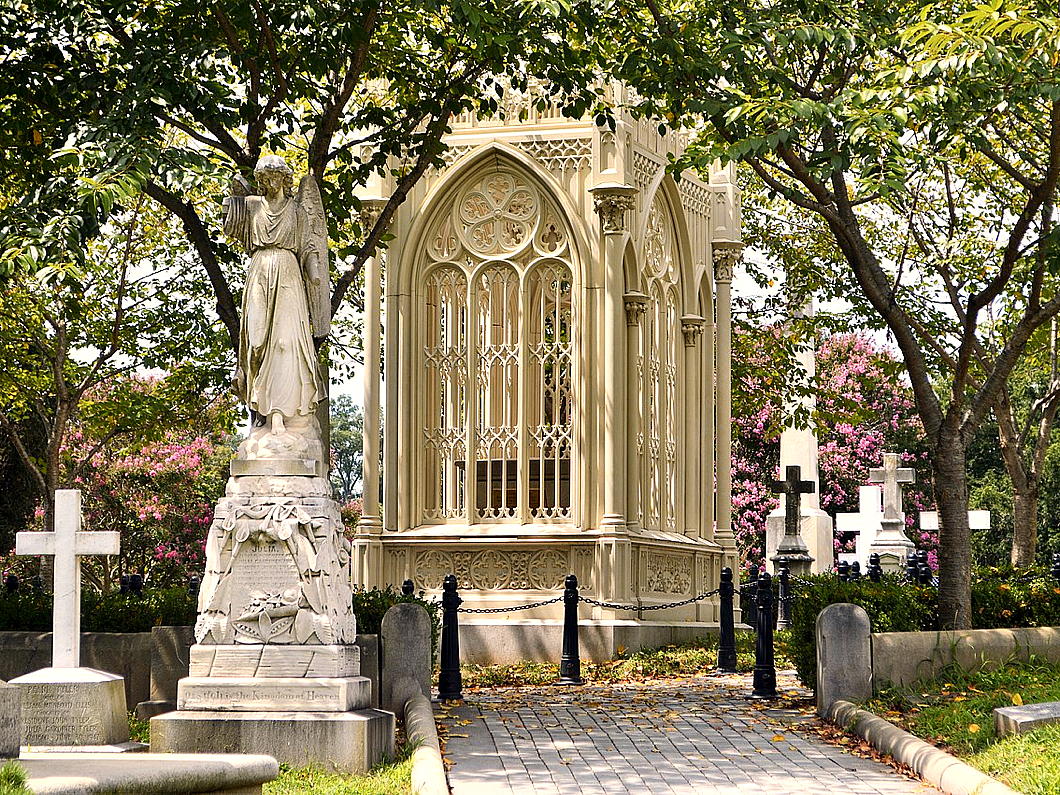
The new resting place is beside hr father’s Gothic tomb — a birdcage of traceery designed by Albert Lybrock in 1859, arches emerging like a filigree chapel above the President’s grave, but in cast-iron painted the colour of stone. The striking funerary monuments now shelters not only the nation’s fifth president but his daughter as well.
The repatriation of Eliza Monroe Hay was not a grand state ceremony but an act of personal devotion. It completes a family story interrupted by distance and time, and restores to American history a figure once nearly forgotten. In the quiet of Hollywood Cemetery, overlooking the James River, the Atlantic divide that once separated the Monroes has finally closed.
College of William & Mary: The forgotten daughter: Eliza Monroe Hay’s story revealed in her last letters
The Brooklyn Tablet: Daughter of President James Monroe Laid to Rest
Catholic News Agency: A Founding Father’s Catholic Daughter is Laid to Rest
Northern Virgina: Author Led Efforts to Rebury Monroe’s Daughter
A Magnificent Portuguese
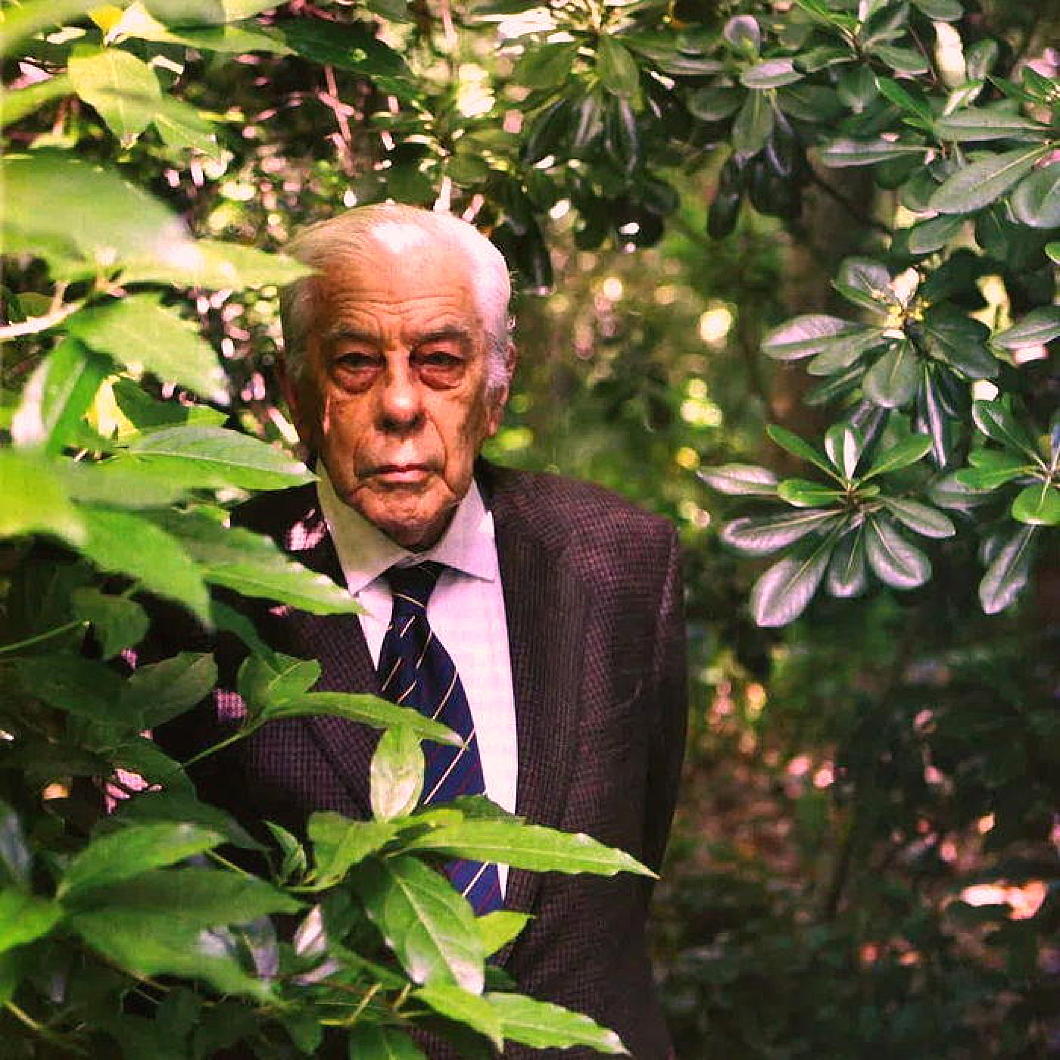
Gonçalo Ribeiro Telles: environmentalist, democrat, monarchist, professor, government minister, landscape architect
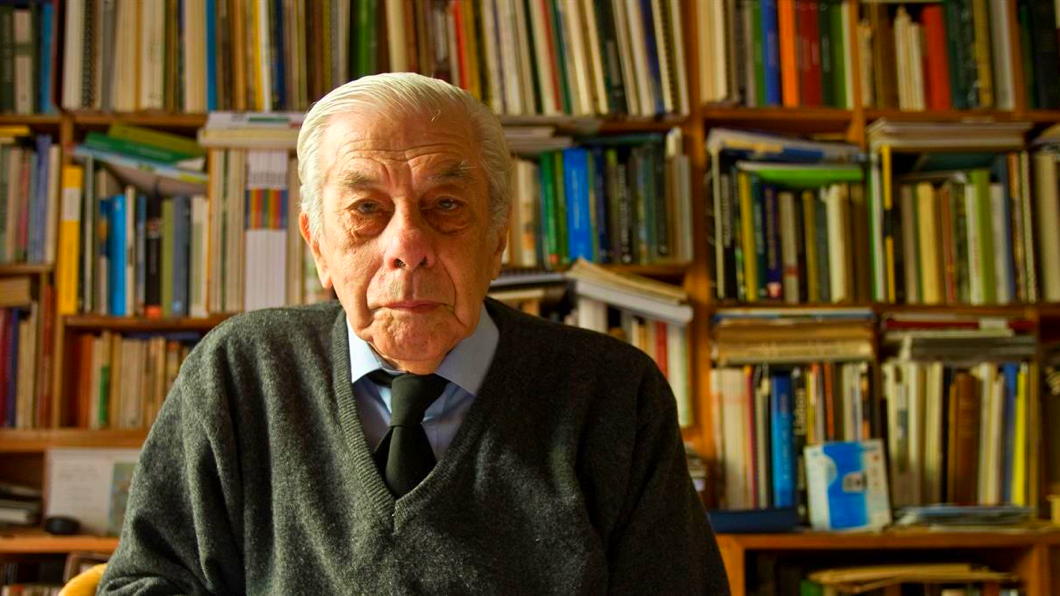
No one ever thinks about the landscape architects. Portugal is a small country that gave birth to great poets, explorers, navigators, merchants, and the entire nation of Brazil. Gonçalo Ribeiro Telles (1922-2020) followed none of those callings, but his career was by no means typical for a landscape architect.
Born a lisboeta, young Gonçalo studied at the Instituto Superior de Agronomía, then part of the Technical University of Lisbon, and housed in an inexplicably grand baroque mansion in the 250-acre leafy Tapada da Ajuda, a sprawling green space on Lisbon’s outskirts.
During the 1940s and early 1950s, the Instituto Superior de Agronomía was a hub of scientific and practical education. The school balanced rigorous agronomic and forestry studies with an increasing interest in landscape architecture — a discipline still in its infancy in Portugal. The sometimes-dry atmosphere was one of disciplined inquiry, shaped by professors with strong ties to both traditional Portuguese forestry and emerging European environmental thought.
Students were trained not merely as technicians but as stewards of the land, tasked with managing Portugal’s varied ecosystems and agricultural resources amid the challenges of modernisation. While the curriculum remained grounded in agronomy and forestry sciences, the period saw the beginnings of a more holistic approach, championed by figures like Professor Francisco Caldeira Cabral, who encouraged students to consider landscape as an integrated ecological and cultural entity.

The year Ribeiro Telles arrived at the Institute was the first in which Caldeira Cabral began offering the degree course of landscape architecture. The professor — the father of nine children, including the composer and musician Pedro Caldeira Cabral — took Gonçalo under his wing and with him the the four students on the programme made annual trips to West Germany to study and draw the landscapes there.
“My first trip was by Volkswagen to Hanover,” Ribeiro Telles told a reporter later in life. “We crossed Spain on the roads of Old Castile, France, and then went up the Rhine. Imagine what you see! Germany was a landscape ravaged by war. They were rebuilding everything, and we had the opportunity to witness it.”
After graduating, Ribeiro Telles worked for the Municipality of Lisbon, also taking time to work with his mentor Caldeira Cabral to co-author A Árvore em Portugal — even today a standard reference work detailing the trees, woods, and hedges of the country, whether in natural or contrived landscapes.
It was in the 1960s that Ribeiro Telles was drafted in to help work on redeveloping a park which had been purchased by the Calouste Gulbenkian Foundation in order to house one of the most significant private art collections in Europe.
Calouste Gulbenkian was an Ottoman-born Armenian businessman (naturalised as British in 1902) whose richesse from petroleum allowed him to become one of the most generous men in the world. In addition to being an art collector, he endowed hospitals, schools, and churches — particularly in the scattered Armenian communities — for many decades.
When the Second World War came, Gulbenkian spent a spell as the Shah’s ambassador to Vichy France before moving to the relative peace of neutral Lisbon in 1942. (His son Nubar, meanwhile, helped run the “Pat O’Leary” network helping Allied airmen escape German-occupied France to Franco’s Spain.) Calouste remained in the Portuguese capital until his death in 1955.
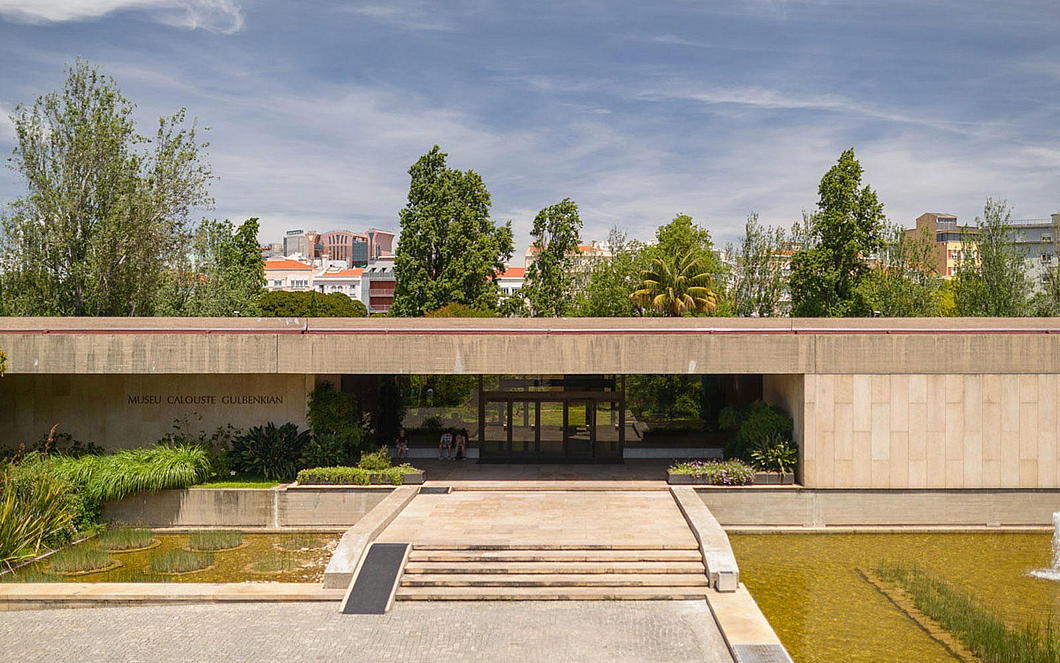
Gulbenkian’s legacy included a foundation to care for and display the art he had collected across his many decade. The trustees commissioned a team of architects to devise a strikingly modern building in Lisbon to house it within a verdant garden setting. Ruy Jervis d’Athouguia, the lead architect, recruited Ribeiro Telles to reshape the park around the museum to suitably complement its bold architecture.
Drawing on his expertise in agronomy and his philosophy of integrating native Portuguese flora with thoughtful spatial design, Ribeiro Telles conceived the garden as a harmonious blend of natural and cultivated elements. He sought to create a space that was both tranquil and educational, showcasing indigenous Mediterranean plants and trees that reflected the local ecology.
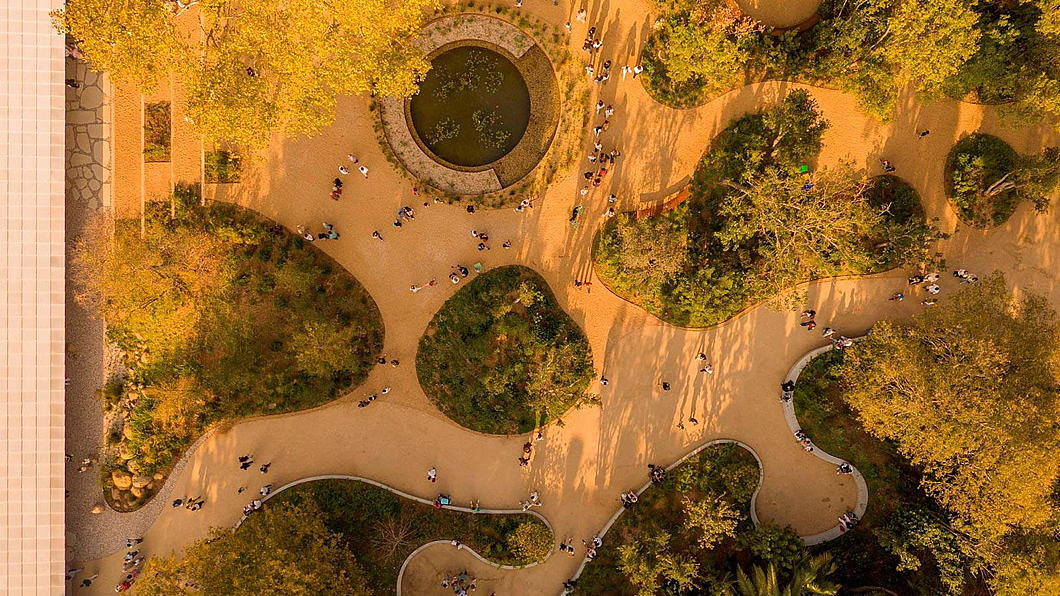
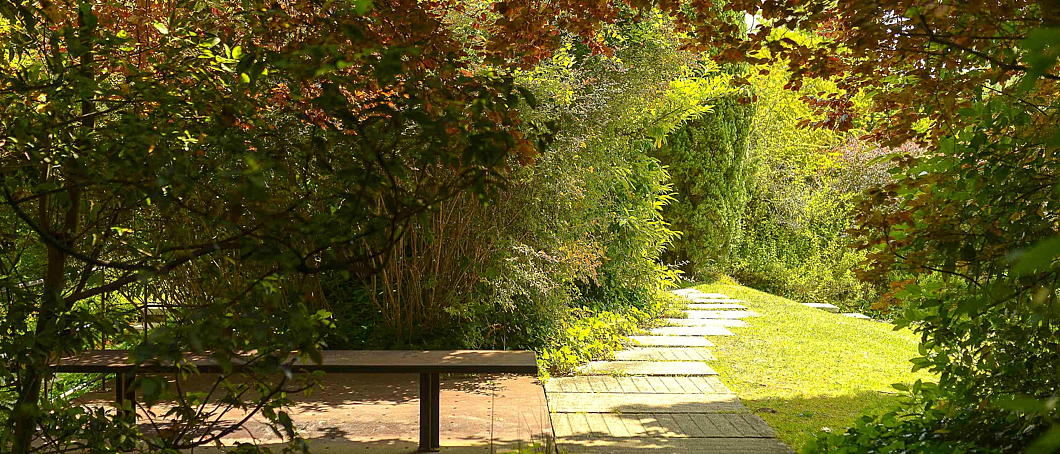
The garden’s design emphasises natural contours, water features, and a careful balance of open lawns and wooded areas, inviting visitors to experience a variety of landscapes in an urban setting. The Gulbenkian Garden is a landmark in Portuguese landscape architecture and remains a testament to Ribeiro Telles’s vision of ecological continuity and cultural identity.
As the Estado Novo began to show cracks, Ribeiro Telles’s deep-rooted Catholic sensibilities and monarchist convictions led him to notch up his role in a rapidly developing political scene. While the 1974 revolution unleashed the expression of Marxist and other far-left tendencies, it also presented an opening for the rebirth of a constitutionalist conservative tradition in Portugal — one that had been frozen in amber during the preceding decades of technocratic authoritarianism.
Ribeiro Telles was among the chief founders of the Partido Popular Monárquico — the People’s Monarchist Party — a curious coalition that brought together traditional monarchists, Catholic intellectuals, rural landowners, and a smattering of constitutional nostalgists whose political lineage traced back to the late liberal Cartistas.
The PPM claimed a place in the democratic process for the politics of rootedness, subsidiarity, cultural continuity, and the organic nature of society. It opposed the materialism of Marxism as well as the managerial blandness of Euro-technocracy and promoted a vision of Portugal as a living inheritance — not just a nation-state, but a civilisation. The party’s early years were marked by an improbable (and ultimately unfulfilled) optimism, bolstered when it was invited to join the coalition governments of the centre-right in the post-revolutionary years.

Ribeiro Telles himself entered government in 1979 under Prime Minister Francisco Sá Carneiro, serving as Secretary of State for the Environment and later as Minister for the Quality of Life. These titles, seemingly anodyne, belied the originality of his vision. He championed ecological zoning, the protection of agricultural peripheries, and the integration of green spaces within urban plans — initiatives that in retrospect seem prescient, but at the time were borderline revolutionary.
Under his guidance the Reserva Ecológica Nacional and Reserva Agrícola Nacional were established, preserving swathes of Portuguese land from the unchecked sprawl that consumed other southern European capitals. He saw farming and cultivation not as the enemy of the natural world but as integral to it. Ribeiro Telles advanced his policies not through bombast or ideology but by presenting common sense in the idiom of tradition.
For him, landscape and the countryside are a ultimately the work of centuries of human hands, and the environmentalism that seeks to undo human habitation must be called out as an Enlightenment rustic romanticism antithetical to the real countryside.
“We tend to think of landscape as a natural thing,” he told a journalist from Expresso. “It’s just there. When I began studying it, I realized it’s linked to a very important antecedent: humanity. Every landscape is the work of man, not nature. Without human influence, it would be worthless. When you begin to understand this, the greatest surprise is to see how a given landscape has an origin, not pictorial, not scenic, but how it functions in its diversity.”
By the 1990s, Ribeiro Telles became disenchanted with the limited ambitions of Portugal’s mainstream parties — including his own. In response he founded the Movimento Partido da Terra (MPT), a green-conservative party that rejected the rhetoric of metropolitan environmentalism and rooted itself instead in the lived realities of rural and regional Portugal. It was anti-centralist, pro-municipal, and unapologetically rooted in an understanding of stewardship — not ownership — of the earth that was fundamentally (but not explicitly) Catholic in inspiration. Like the PPM, the MPT occasionally participated in electoral coalitions with the larger centre-right parties in Portugal, the PSD and the CDS-PP but achieved limited success.
In his later career, Gonçalo Ribeiro Telles continued to shape the green fabric of the Lisbon metropolitan area through a series of influential projects. He played a key role in the planning and expansion of the Monsanto Forest Park, an urban forest three times the size of Manhattan’s Central Park that became known as the “lung of Lisbon,” preserving natural landscapes amid rapid urban growth. Ribeiro Telles also contributed to the design of green corridors and the rehabilitation of degraded areas, advocating for ecological connectivity across municipal boundaries. Despite his advancing years, he continued to play an active role in politics, particularly in the 2010 movement opposing the redefinition of civil marriage.
On his 98th birthday in May 2020, the landscape architect was hailed by the President of Portugal as “one of the most admirable people I have the privilege of knowing”. President Marcelo Rebelo de Sousa praised “his visionary spirit, which led him, before all of us, to anticipate the problems we face today — and which would have taken on a very different profile if, in due time, we had heeded his wise warnings.”
Four months later, on 11 November 2020, Gonçalo Ribeiro Telles drew his last breath. On the day his funeral took place in the Jerónimite monastery of Belém the Portuguese government declared a state of national mourning.
A Portuguese friend of mine who met Ribeiro Telles described him to me as “deeply free, democratic, monarchist, a true municipalist in terms of his view of politics.” Ribeiro Telles “was talking about allotments, municipal farms, green spaces… in the 1970s!”
He had an excellent mind and a good hand at drawing, but somehow it seems wrong that he was not also a poet. I feel certain he must have written at least a few verses scribbled somewhere, left amongst his papers to be discovered decades from now by some earnest researcher. Instead of words, Ribeiro Telles crafted scenes out of soil, plant, water, and wood.
Next time you are in Lisbon, nip in to the garden of the Gulbenkian and spare a thought for old Gonçalo.
Si monumentum requiris, circumspice.
Red Crosses That Weren’t
Rejected emblems of the Red Cross and Red Crescent societies
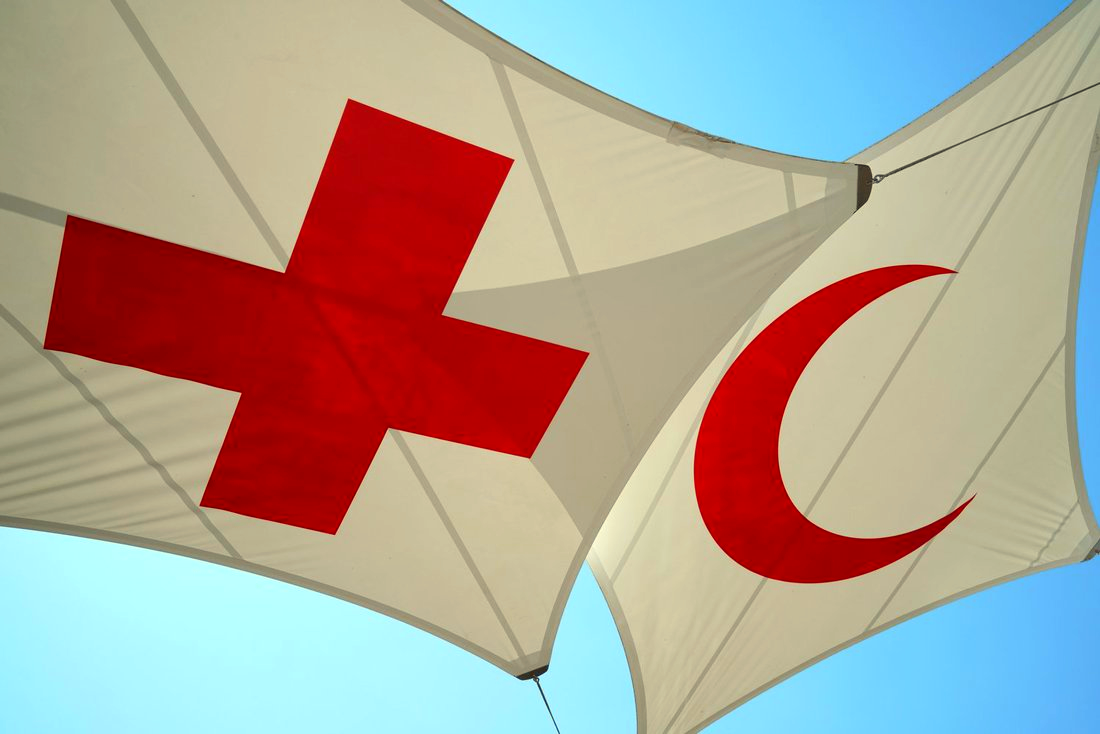
MANY MOONS AGO in South Africa, we had an assignment in Afrikaans class to do a presentation on an organisation or entity that was an example of sosiale bewustheid — “social awareness”.
The perfect exemplar held up by our delightful instructress was the Red Cross which was founded by Henri Dunant in the aftermath of the Battle of Solferino — or DIE SLAG VAN SOLFERINO in Afrikaans (it sounds much deadlier in the language of the Cape).
Strictly speaking, the Red Cross is the International Committee of the Red Cross, which was founded in 1863 to help care for wounded soldiers and to agree protections for medics and field hospitals as well as the afflicted persons they looked after.
A symbol was needed to act as a clear designation to warring parties of combatants and it was decided to adopt a red cross on a white background. Field hospitals would be identifiable by flags and signposts of the red cross on white, and medics would stand out by wearing white armlets with the red symbol.

The Red Cross
Dunant suggested that each country set up its own national voluntary society to look after wounded soldiers. They did so in great numbers, with the initial seven national societies being set up within the first year of the Geneva Convention being agreed in 1864.

The Red Crescent
In 1876, however, the Ottoman Society for Relief to Military Wounded and Sick unilaterally decided to adopt the red crescent on white as its emblem, simultaneously declaring that it would continue to respect and uphold the protections on those facilities or personnel bearing the red cross in line with the agreements Turkey had acceded to.
The International Committee of the Red Cross was quite miffed about this. The red cross was not meant to be interpreted as a religious emblem but a single universal signifier (allegedly inspired by being the inverse of the flag of neutral Switzerland) that could be instantly recognised and respected.
From Geneva, the ICRC wrote to its constituent national societies informing them of this development, while also highlighting its irregularity:
We must, however, draw your attention to the fact that the Ottoman Society for Relief to Military Wounded and Sick has adopted the red crescent on a white flag and armlet as the distinctive sign of neutral personnel.
This substitution of the red crescent for the red cross, in accordance with the proposals of the Sublime Porte to the States signatories to the Geneva Convention, places the Ottoman Society in an irregular position so far as its relations with the other Societies for relief to the wounded are concerned.
While entertaining formal reservations on the substitution of the red crescent for the red cross and the adoption of the former by the Porte before the States signatories to the Geneva Convention have agreed to it, we believe the Ottoman Society can render useful service to the cause of humanity.
Headquarters in Geneva didn’t grant official status to the symbol of the red crescent until 1929 when the Geneva Convention was amended.
Meanwhile, the national societies of almost every majority-Muslim country today use the red crescent instead of the red cross. The major exception, oddly, is Indonesia — the largest Muslim country in the world by population — which has a Red Cross Society. (Perhaps another lingering remnant of the Dutch empire?)
There’s also the matter of which way the red crescent faces. Almost all the Red Crescent societies have it facing rightwards. The exceptions today are the societies of Turkey and Tunisia which both have the crescent facing left. During the days of the Soviet Union, a left-facing crescent was also used by each of the national societies for each of the traditionally Muslim republics of the USSR.

The Red Lion and Sun
The other major exception was the Empire of Persia, which adopted the name of Iran in 1935. Since the 1900s, the Persians had used a red version of their national emblem, the lion-and-sun, for their field medicine and the Red Lion and Sun Society was founded in 1922.
When the Shah was toppled and the ancient empire reduced to an Islamic Republic, the mullahs moved to adopt the Red Crescent in line with other Muslim countries. The Iranian society has always, however, maintained the right to use the Red Lion and Sun and have opposed any attempts to withdraw recognition for the symbol even though it is not actively used.

Magen David Adom (“the Red Shield of David”)
The next most significant emblem to enter the arena was the Magen David Adom, literally the “Red Shield of David”, consisting of what in English we usually call the Star of David. The Jewish medical support organisation was founded in Mandatory Palestine in 1930 with a single branch in Tel Aviv.
The name and emblem, however, date back to the Transvaal during the Anglo-Boer War when Ben Zion Aaron founded a Jewish ambulance corps under the name and symbol Magen David Adom. Paul Kruger, the President of the South African Republic, gave permission for Aaron’s medics to use the symbol and the name in the assistance they rendered to wounded Boer forces.
In May 1931, just a year after Magen David Adom was founded, it was proposed that the red Star of David be added as a protected symbol. The ICRC, however, noted that the Society of the Red Shield of David did not constitute a national society as it did not represent an independent state, this part of the Holy Land being under the British Mandate of Palestine. It also noted in its reply that the adoption of a unique and distinct emblem would harm its future chances of being recognised by the International Committee in the event an independent Jewish state in Palestine was created.
In 1947 the United Nations voted to partition Mandatory Palestine between two states— one Jewish, one Arab — and the following year the State of Israel was founded. The nascent Jewish state acceded to the Geneva Conventions without any reservation, but nonetheless tabled requests for the Magen David Adom to be recognised as a protected symbol. These proposals were continually rejected for fear of symbol proliferation.
At the time, the conciliatory Dutch proposed a compromise whereby every Red Cross society would adopt an upturned red triangle — as a harsh, angular representation of a human heart — but the national societies rejected this suggestion.
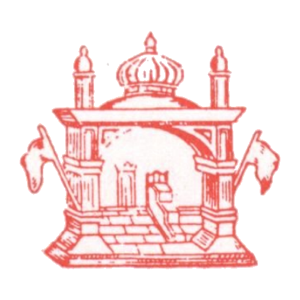
Mehrab-e-Ahmar, or Red Archway (Mehrab)
In the mean time, officials in Geneva has been in touch with the government of Afghanistan encouraging them to start a national society. In 1935, the Afghans founded the Mehrab-e-Ahmar, or Red Archway Society, and applied for recognition from the International Committee.
On the basis of the 1929 Convention, the ICRC suggested to Afghan ministers that they adopt the name Red Crescent Society instead, but the Afghans objected, claiming that the already recognised crescent and lion-and-sun emblems were national in origin and not religious symbols.
At a 1935 meeting, the ICRC rejected official recognition for both the Mehrab-e-Ahmar and Magen David Adom. Three years later, the Afghans conformed and renamed their Mehrab-e-Ahmar to the Red Crescent Society of Afghanistan. (In its early years it used a red crescent facing upwards — just to throw something into the mix.)
Magen David Adom would have to wait until 2006 for its symbol to be recognised via a compromise: the Red Shield of David would be recognised within Israel but any of MDA’s activities outside of Israel would require the emblem to be displayed within the neutral red crystal emblem.

The proposed Cypriot emblem.
The British Crown Colony of Cyprus was home to a section of the British Red Cross. In the 1950s the island — with its Greek Christian and Turkish Muslim communities — was moving towards independence and the British Red Cross was keen to elevate the status of its existing branch to a national society of the ICRC.
As a nod to the two sections of the island’s population, the British Red Cross proposed creating the Red Cross and Red Crescent Society of Cyprus, but the ICRC rather pedantically rejected the proposed combined emblem under the usual grounds of wariness towards symbol proliferation.

The Red Chakra
India’s Red Cross Society was founded just after the First World War and recognised by the ICRC in 1929. After independence in 1947 there was a drive to replace all emblems that were viewed as being British in origin, and the Red Cross reminded some nationalists of the St George’s Flag and the Union Jack.
Some thought was given to introducing a red version of Ashoka’s chakra, India’s national emblem, but the concept never gained momentum.
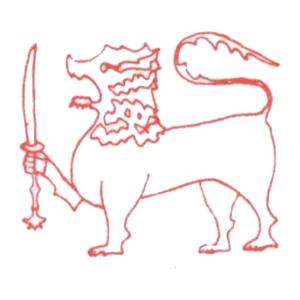
The Red Lion and Sword
In Ceylon, a Red Cross Society has been founded in 1949, but (like their Indian neighbours) nationalist Ceylonese associated the emblem with Great Britain and with Christianity.
In 1957 a red swastika was proposed as being common to both Buddhism and Hinduism but, as François Bugnion has noted, the proposal wasn’t followed up “for obvious reasons”.
In 1965 there was a plan to incorporate other aid and assistance bodies into the existing Red Cross Society and to adopt a red lion holding a glaive — the Ceylonese national emblem. Once again, the ICRC rejected the proposal.
Other countries which discussed or even proposed new protected emblems include:
■ Syria — where a red palm was proposed in opposition to the cross (deemed too French) and the crescent (viewed as redolent of Turkish domination)
■ Siam — where Queen Saovabha Phongsri founded a society for assistance to the wounded called the Sabha Ka Chad Syam, or Society of the Red Flame (or Unalom)
■ Sudan — the colonial chapter of the British Red Cross was joined by a local section of the Egyptian Red Crescent; a red rhinoceros was proposed but eventually the crescent was adopted
■ Lebanon — the Lebanese Red Cross was founded in 1945 but ran into some resistance from the Muslim section of the population; a red cedar tree was discussed as an emblem but never formally proposed
From 1929, the revised Geneva Convention recognised exclusively the Red Cross, the Red Crescent, and the Red Lion and Sun as the only approved emblems of the movement.
These restrictions survived until 2005 when Protocol III was agreed, creating a totally neutral emblem, the Red Crystal (sometimes referred to as the Red Diamond or the Red Lozenge).

The Red Crystal of the ICRC
This protocol clarified that within its own territory, any national society could use an indicative emblem and the protections for medical personnel would apply, but that when it was operating outside its national territory, it must use either one of the previously approved three emblems or its own distinct emblem combined with the form of the Red Crystal.
This agreement has finally allowed Magen David Adom to be granted full status as a national society of the Red Cross.
The Red Cross has been wise to be wary of new symbols, but once it conceded the point of the Red Crescent it was difficult not to allow further proliferation. With 190-something independent states across the face of the planet, it is remarkable that the number of approved symbols are still so few. (And, given recent events, let us hope for the day when the Red Lion and Sun is deployed once more.)
The legacy of each of the national societies varies widely. During the Second World War, the German Red Cross was thoroughly penetrated by the ideology of National Socialism, leading to its disbandment once the Allied Powers occupied the defeated Germany. The American Red Cross has become notorious for its success at raising money for the relief of suffering and spending it on bureaucracy instead. In Gaza, hospitals and other medical sites are routinely used for military purposes by Hamas undermining the protections the Red Crescent is meant to convey.
There will always be debits and credits, but Henri Dunant’s project for the protection of the wounded and the relief of suffering is more honoured today than offended against today: The Red Cross (or Red Crescent, or Red Crystal, or…) deserves some justified praise.
Season’s Greetings from the Seventh

Alas, the Seventh Regiment Mess is no more, though we had a few family Christmas-time (and other) celebrations there in its final years.
Happy days when Linda MacGregor was at the helm of it.
Simon Verity: An Englishman in New York
An Englishman in New York
Not many people can claim with any accuracy to have crafted a Portal to Paradise, but Simon Verity was one. The master carver was born and raised in Buckinghamshire but made a significant contribution to the stones of New York.
At the Protestant Cathedral of St John the Divine in Morningside Heights — “St John the Unfinished” to many — tools had been downed following the Japanese attack on Pearl Harbor in 1941. When the Very Rev’d James Parks Morton became Dean in the 1980s he decided it was time to re-start work on the gothic hulk — one of the largest cathedrals in the world.
Morton commissioned the Englishman to come and become Master Mason at the New York cathedral based on his experience on the other side of the Atlantic. Verity tackled the main task of finishing the carvings on the great west portal of St John the Divine — the “Portal of Paradise” — training up a team of local youths in stonecarving to help with the job.
“Mr. Verity took the long-dead worthies of the Hebrew and Christian traditions and made them things of wonder for people in our own day,” the current Dean said following Verity’s death earlier this year.
Most memorable was his ostensible depiction of the destruction of the First Temple, which actually showed the Twin Towers and other familiar New York skyscrapers collapsing into ruin and fire.
Late in 2018 — after the collapse of the actual World Trade Center — an unknown vandal took it upon himself to smash the stone towers off the facade, but the Cathedral has since had them restored by Joseph Kincannon who carved the original depiction under Simon Verity.
Eventually the money ran out and the stonecarvers at St John’s had to down tools yet again so Verity returned to England, but he maintained close connections with New York. He was responsible for the carving and lettering in the British & Commonwealth 9/11 Memorial Garden in Hanover Square, for example.
When the trustees of the New York Public Library proposed clearing out the stacks from their glorious Bryant Park main building and moving the books to New Jersey — a truly criminal plan since, thankfully, abandoned — Verity drew a series of doodles in opposition, many depicting the iconic lions Patience and Fortitude who guard the Library’s entrance.
A few of the mentions of his death this summer are gathered here:
The Daily Telegraph — Obituary: Simon Verity
The Economist — Simon Verity Believed in Working the Medieval Way
The Guardian — Obituary: Simon Verity
Cathedral of St John the Divine — A Message from the Dean on Simon Verity

The Lithe Efficiency of the Old Constitution
There is a wonderful glimpse of the old days in the memoirs of the late Lord Waddington (1929-2017).
David Waddington was a Lancashire man who became a lawyer, Member of Parliament, Government Chief Whip, Home Secretary, peer of the realm, and eventually Governor of Bermuda. (In that final role, he was the last of the big dogs — all the ones since have been civil servants.)
The old British constitution — before New Labour’s ill-judged reforms — had a lithe efficiency in those days aptly reflected in quite how few people were employed by the highest court in the realm — and how unfussedly they were officed:
I had only been in the House for two days when I received a telephone call from the clerk of my Manchester chambers asking me if later in the week I was prepared to sit as a deputy County Court judge somewhere in London. This would allow my colleague Bob Hardy, who had contracted with the Lord Chancellor’s Department, to sit as a judge on that day, to take over a brief of mine, a libel action in Leeds.
At the eleventh hour someone pointed out that if I were to sit, my career as an MP would come to an abrupt end because as a result of the House of Commons Disqualification Act I would have disqualified myself from membership of the House, thereby precipitating another by-election. I was then begged by Bob to go and explain to the lady in the Lord Chancellor’s Department why he could not sit and why I had turned out to be an inappropriate replacement.
I set off and, after journeying along many corridors and ascending and descending many staircases, I eventually found a little old lady sitting alone in a tiny office at the bottom of a gloomy stairwell somewhere in the bowels of the House of Lords.
I apologised for troubling her and she said: ‘I can assure you it is no trouble. In fact I am delighted to see you. I have been in this office for thirty-five years and you are the first person who has ever visited me.’
Waarburg
Hawksmoor House, Matjieskuil Farm, Wes-Kaap
Sometimes the perfect house meets the perfect owner: if so, then Hawksmoor House and its current owners, Mark Borrie and Simon Olding, have been an ideal match. The old manor house of Waarburg probably dates from the mid-eighteenth century and, after falling victim to neglect and unsympathetic updates, has been meticulously restored in the twenty-first century.
The history of this property, with its various names and numerous owners, now spans three centuries. In 1701, the Dutch governor of the Cape, Willem Adriaan van der Stel, granted sixty morgen of land at Joostenburg in the district of Stellenbosch to the dominee Hercules van Loon.
He was the predikant of the Reformed congregation in the “City of Oaks”, where he lived in a house on Dorpstraat just a few doors down from my former abode.
Occupied in town, van Loon also purchased farmland in the surrounding district, naming one Hercules Pilaar and another Waarburg, after the German castle of Lutheran lore.
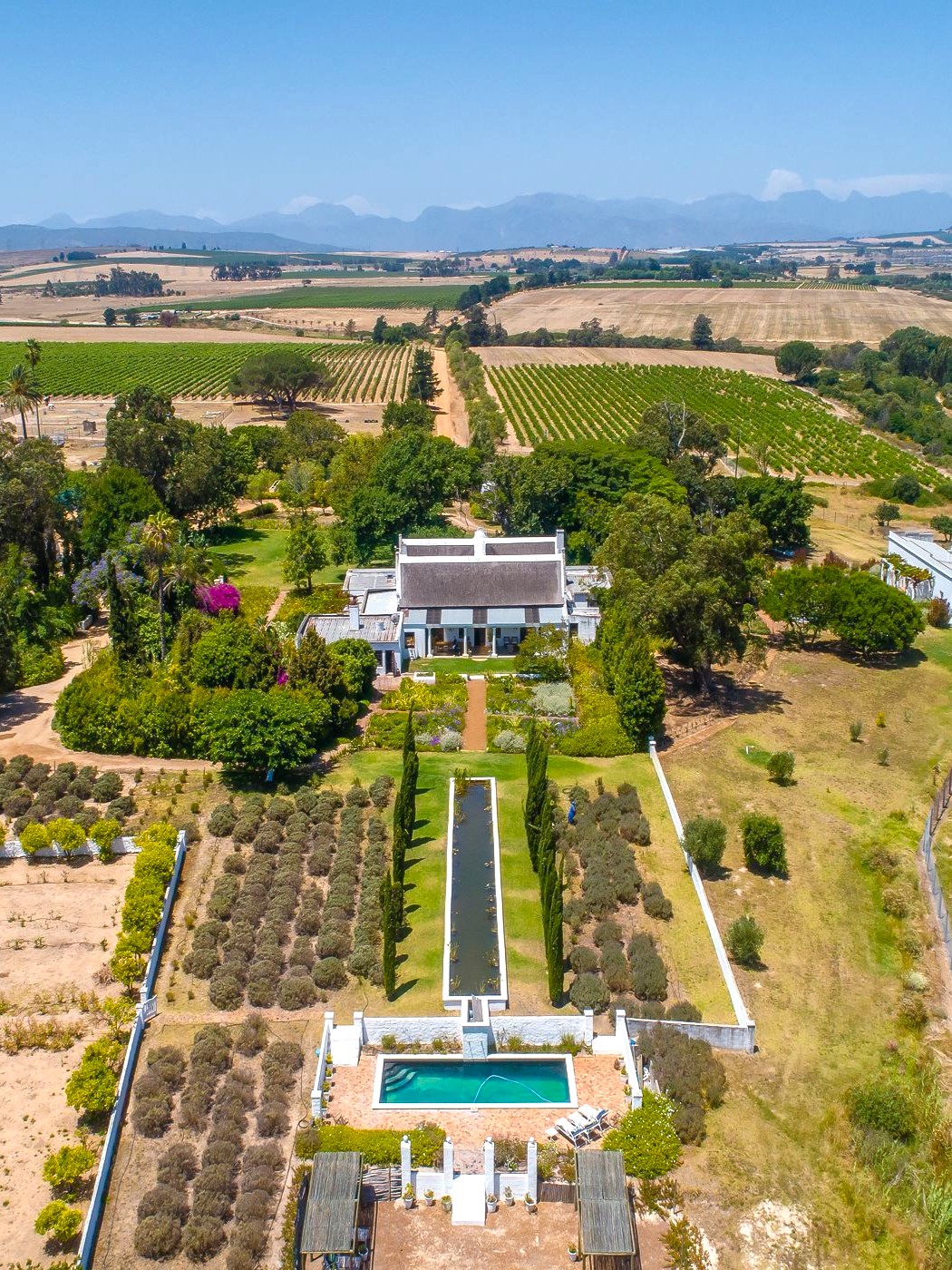
The earliest surviving map of the property shows that there was a house here by 1704, but it is believed it was rarely used by the preacher who was occupied with his duties in town.
One day in that same year, Ds. van Loon rode from Hercules Pilaar towards Stellenbosch and, in a field outside the town, cut his own throat with a penknife. His flock were astonished and recorded that no-one knew why the preacher had killed himself.
Matilda Burden has argued that the existing house was built between 1758 and 1765 by the then-owner Jacobus Christiaan Faure. By 1826, Waarburg became known as Matjeskuil or Matjieskuil which it retained for most of its existence.


Articles of Note: 17 September 2024

31½ in. x 59 in.; (link)
The Lebanese banker, writer, journalist, and politician Michel Chiha postulated that Beirut was “the axis of a three-pronged propeller: Africa, Asia and Europe”.
The city’s current airport was inaugurated in 1954, towards the height of its golden years.
In L’Orient-Le Jour, Lyana Alameddine and Soulayma Mardam-Bey report on how Beirut Airport’s story reflects the highs and lows of Lebanon’s history. (Aussi en français.)
■ Another one bites the dust: this time it’s London’s Evening Standard — traditionally the most London of London’s daily newspapers — which recently announced it will move to a single weekly printed edition.
In its heyday there were several editions per day, with “West End Final” on rare occasions topped up by a “News Extra” edition.
Stuart Kuttner, a veteran of the Standard, wrote a beautiful paean to the paper published in the Press Gazette.
■ Samuel Rubinstein shows how historians’ war of words over the legacy of the British Empire tells us more about the moral battles of today than shedding actual light on the past.
■ Wessie du Toit explores the curious columnar classicism persistent across the full spectrum of South African architecture.
■ With union presidents speaking at America’s Republic party convention, Senator Josh Hawley explores the promise of pro-labour conservatism.
■ Also at the increasingly indispensible Compact, Pablo Touzon explores how the Argentine left created Javier Milei.
■ Closer to home, Guy Dampier argues that Britain’s public services, housing, and infrastructure have reached their migration breaking point and the new Government has zero solutions.
■ Meanwhile, five hundred academics have signed a joint letter urging the Labour government not to scrap university free speech laws as the Education Secretary announced they will do.
11½ in. x 16½ in.; (link)
Equality
I find that they’re not true without looking further than myself. I don’t deserve a share in governing a hen-roost, much less a nation. Nor do most people — all the people who believe advertisements, and think in catchwords, and spread rumours. The real reason for democracy is just the reverse. Mankind is so fallen that no man can be trusted with unchecked power over his fellows. Aristotle said that some people were only fit to be slaves. I do not contradict him. But I reject slavery because I see no men fit to be masters.
This introduces a view of equality rather different from that in which we have been trained. I do not think that equality is one of those things (like wisdom or happiness) which are good simply in themselves and for their own sakes. I think it is in the same class as medicine, which is good because we are ill, or clothes which are good because we are no longer innocent. I don’t think the old authority in kings, priests, husbands, or fathers, and the old obedience in subjects, laymen, wives, and sons, was in itself a degrading or evil thing at all. I think it was intrinsically as good and beautiful as the nakedness of Adam and Eve. It was rightly taken away because men became bad and abused it. To attempt to restore it now would be the same error as that of the Nudists. Legal and economic equality are absolutely necessary remedies for the Fall, and protection against cruelty.
But medicine is not good. There is no spiritual sustenance in flat equality. It is a dim recognition of this fact which makes much of our political propaganda sound so thin. We are trying to be enraptured by something which is merely the negative condition of the good life. And that is why the imagination of people is so easily captured by appeals to the craving for inequality, whether in a romantic form of films about loyal courtiers or in the brutal form of Nazi ideology. The tempter always works on some real weakness in our own system of values: offers food to some need which we have starved.
When equality is treated not as a medicine or a safety-gadget but as an ideal we begin to breed that stunted and envious sort of mind which hates all superiority. That mind is the special disease of democracy, as cruelty and servility are the special diseases of privileged societies. It will kill us all if it grows unchecked. The man who cannot conceive a joyful and loyal obedience on the one hand, nor an unembarrassed and noble acceptance of that obedience on the other, the man who has never even wanted to kneel or to bow, is a prosaic barbarian. But it would be wicked folly to restore these old inequalities on the legal or external plane. Their proper place is elsewhere.
We must wear clothes since the Fall. Yes, but inside, under what Milton called “these troublesome disguises,” we want the naked body, that is, the real body, to be alive. We want it, on proper occasions, to appear: in the marriage-chamber, in the public privacy of a men’s bathing-place, and (of course) when any medical or other emergency demands. In the same way, under the necessary outer covering of legal equality, the whole hierarchical dance and harmony of our deep and joyously accepted spiritual inequalities should be alive. It is there, of course, in our life as Christians: there, as laymen, we can obey — all the more because the priest has no authority over us on the political level. It is there in our relation to parents and teachers — all the more because it is now a willed and wholly spiritual reverence. It should be there also in marriage.
This last point needs a little plain speaking. Men have so horribly abused their power over women in the past that to wives, of all people, equality is in danger of appearing as an ideal. But Mrs. Naomi Mitchison has laid her finger on the real point. Have as much equality as’ you please — the more the better — in our marriage laws: but at some level consent to inequality, nay, delight in inequality, is an erotic necessity. Mrs. Mitchison speaks of women so fostered on a defiant idea of equality that the mere sensation of the male embrace rouses an undercurrent of resentment. Marriages are thus shipwrecked. This is the tragi-comedy of the modern woman; taught by Freud to consider the act of love the most important thing in life, and then inhibited by feminism from that internal surrender which alone can make it a complete emotional success. Merely for the sake of her own erotic pleasure, to go no further, some degree of obedience and humility seems to be (normally) necessary on the woman’s part.
The error here has been to assimilate all forms of affection to that special form we call friendship. It indeed does imply equality. But it is quite different from the various loves within the same household. Friends are not primarily absorbed in each other. It is when we are doing things together that friendship springs up— painting, sailing ships, praying, philosophising, fighting shoulder to shoulder. Friends work in the same direction. Lovers look at each other: that is, in opposite directions. To transfer bodily all that belongs to one relationship into the other is blundering.
We Britons should rejoice that we have contrived to reach much legal democracy (we still need more of the economic) without losing our ceremonial Monarchy. For there, right in the midst of our lives, is that which satisfies the craving for inequality, and acts as a permanent reminder that medicine is not food. Hence a man’s reaction to Monarchy is a kind of test. Monarchy can easily be “debunked”; but watch the faces, mark well the accents, of the debunkers. These are the men whose tap-root in Eden has been cut: whom no rumour of the polyphony, the dance, can reach — men to whom pebbles laid in a row are more beautiful than an arch. Yet even if they desire mere equality they cannot reach it. Where men are forbidden to honour a king they honour millionaires, athletes, or film-stars instead: even famous prostitutes or gangsters. For spiritual nature, like bodily nature, will be served; deny it food and it will gobble poison.
And that is why this whole question is of practical importance. Every intrusion of the spirit that says “I’m as good as you” into our personal and spiritual life is to be resisted just as jealously as every intrusion of bureaucracy or privilege into our politics. Hierarchy within can alone preserve egalitarianism without. Romantic attacks on democracy will come again. We shall never be safe unless we already understand in our hearts all that the anti-democrats can say, and have provided for it better than they. Human nature will not permanently endure flat equality if it is extended from its proper political field into the more real, more concrete fields within. Let us wear equality; but let us undress every night.
Royal East African Navy

Among the lesser-known fleets that have, at some point, sailed at least some of the seven seas was the Royal East African Navy (1953-1962).
The origins of the force are from before the Second World War: Kenya’s Royal Naval Volunteer Reserver had been raised in 1933, Zanzibar’s in 1938, and Tanganyika’s in 1939.
During the war and on a purely ad hoc basis, these were combined with other locally raised Royal Navy forces in the region in 1942 as the East African Naval Force. The EANF was given a statutory basis in 1950, and received the royal dignity and title of ‘navy’ in coronation year of 1953.
Headquartered in Kilindini, Mombasa, the post-war REAN was administered through the East African High Commission, a loose meeting of the governors of the colonies of Kenya, Tanganyika, and Uganda which administered railways, ports, postal services, and the telephone and telegraph network.

The Royal Navy guarded its White Ensign jealously, and was not keen on local colonial maritime forces using it.
Ships of the East African Naval Force were granted temporary permission to fly the White Ensign for the duration of the war under specific conditions, but this privilege ended when victory came.
Precedent would suggest a naval force like this fly a blue ensign instead, defaced with the badge of the colony, but the joint nature of this particular fleet precluded that.
As such, it was decided to devise a badge combining the emblems of Kenya (red lion), Uganda (crane), Tanganyika (giraffe), and Zanzibar (dhow) together into a single badge.
This particular example of the East African blue naval ensign flew from HMEAS Mvita and today rests in the collections of the National Maritime Museum at Greenwich.
Taken on Trust
There is much talk these days of the nature of “high trust” societies and the many benefits which they bring, or once brought in the case of countries like Great Britain that, until relatively recently, fell into this category.
The young Lee Kuan Yew (1923-2015) was astounded when he exited the Underground station at Piccadilly Circus and saw a pile of newspapers and a box of coins and notes, with passers-by being trusted to pay for their own newspaper and calculate their own change. He determined that Singapore must emulate the high trust society that Britons had inherited.
In his excellent book, Britain Against Napoleon: The Organization of Victory 1793-1815, about the logistics of Britain’s fight against Old Boney, Roger Knight writes of how much trade and agriculture across Great Britain relied upon this trust.
Drovers, for example, would take on thousands of pounds worth of animals — pigs, cattle, etc. — from farmers to drive down to London en masse, not returning for weeks, and usually with little or no paper record.
Citing Bonser’s The Drovers: Who They Were and How They Went, An Epic of the English Countryside, Knight relays the following story:
Perhaps the most impressive demonstration of trust was the tradition of dogs being sent home to Scotland or Wales from London on their own. One story involved a Welsh dog named Carlo who journeyed all the way back to Wales from Kent. His owner sold the pony that he had ridden on the outward journey, intending to go home by coach. He fastened the pony’s harness to the dog’s back and attached a note to it, addressed to each of the inns on the route they had followed, to request food and shelter for the dog, to be repaid on a subsequent journey. Carlo reached home in Wales alone in a week.
Even dogs benefited from a high-trust society.
Messing About in Old New York
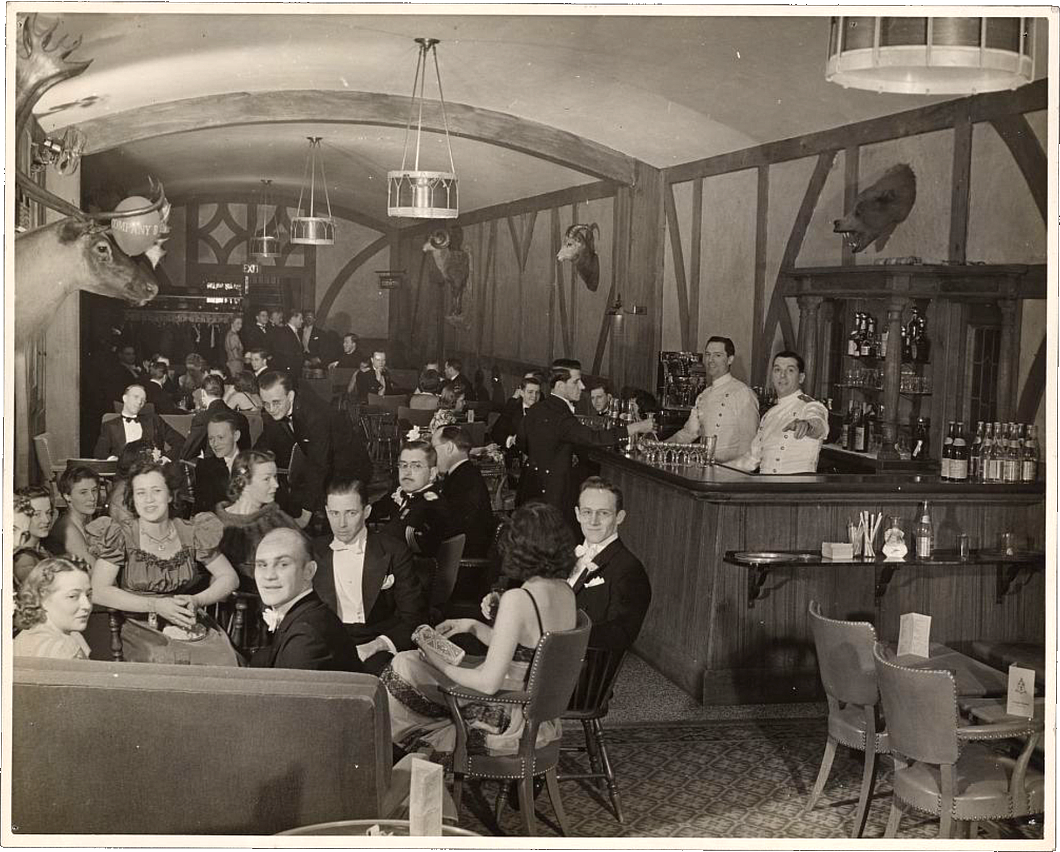
In the collections of the New-York Historical Society there is a photograph deposited amidst the archives of the Seventh Regiment Gazette.
The scene is the Appleton Mess of the Seventh Regiment Armory on Park Avenue, where Company B of the “Silk-Stocking Regiment” was celebrating its one-hundred-and-thirty-fourth birthday.
It was May 1940. The other side of the Atlantic Ocean, British troops were evacuating from Norway, sparking the debate in the House of Commons that would lead to Winston Churchill being appointed Prime Minister.
But on the Upper East Side of Manhattan, all was still peaceful and calm.
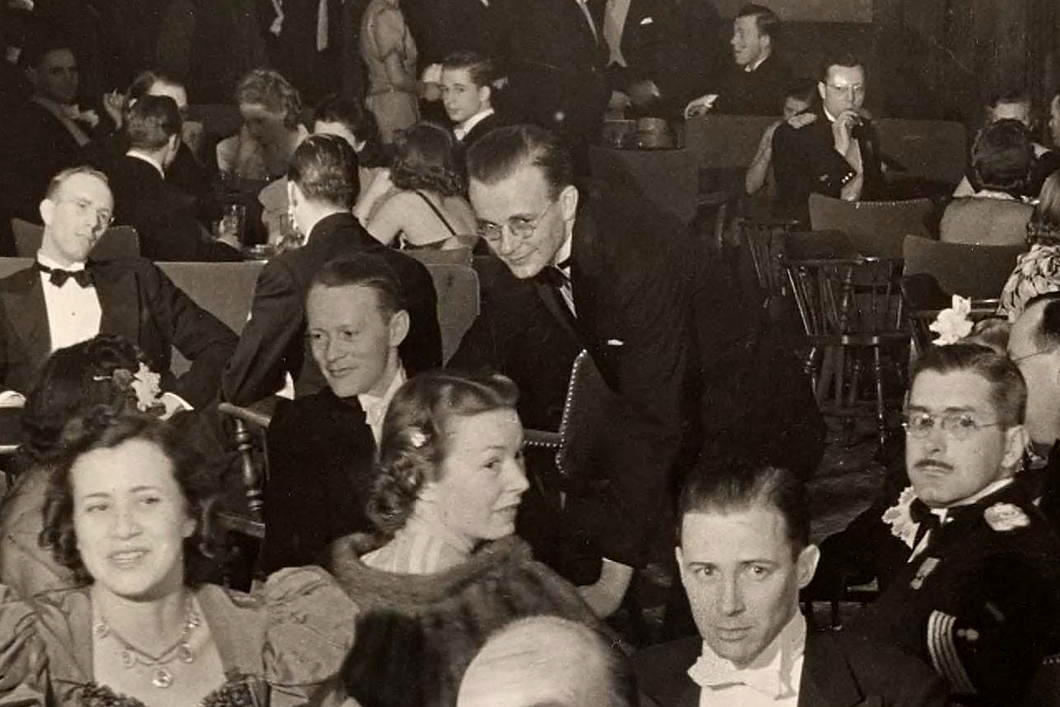
With a packed calendar of events, the social life of B Company was as much of a whirl as any other in the Seventh Regiment.
“The members of the Second Company greeted the onrushing spring with a cocktail party and dance on the afternoon of February 11th,” the Gazette reported. “The time-stained rafters of the Veterans Room echoed back as melodious a medley of sweet, swing, and hot as these old ears have heard in many a year.”
“The spaghetti lovers are still meeting down at Tosca’s on Tuesdays,” the Gazette continued. “All members who drop in on this crowd are warned beforehand to eat fast and keep an eye on their plate. A darting fork awaits all unwatched portions and men have been known to sit down to a full dish of Italian cable only to arise half famished.”
Company B’s Entertainment Committee also found time for a Supper Dance at the end of March that year: “When Charley Botts heard ‘In The Mood’ he gathered up the jitterbugs and sent them scampering around in a breathless Big Apple, much to the delight of the wiser and unbruised amongst us who resisted his wiles.”
“Several of the more energetic members closed the evening by visiting that well-known late spot, the Kit-Kat Club, and are now offering mortgages on the family homestead to settle future bills.”
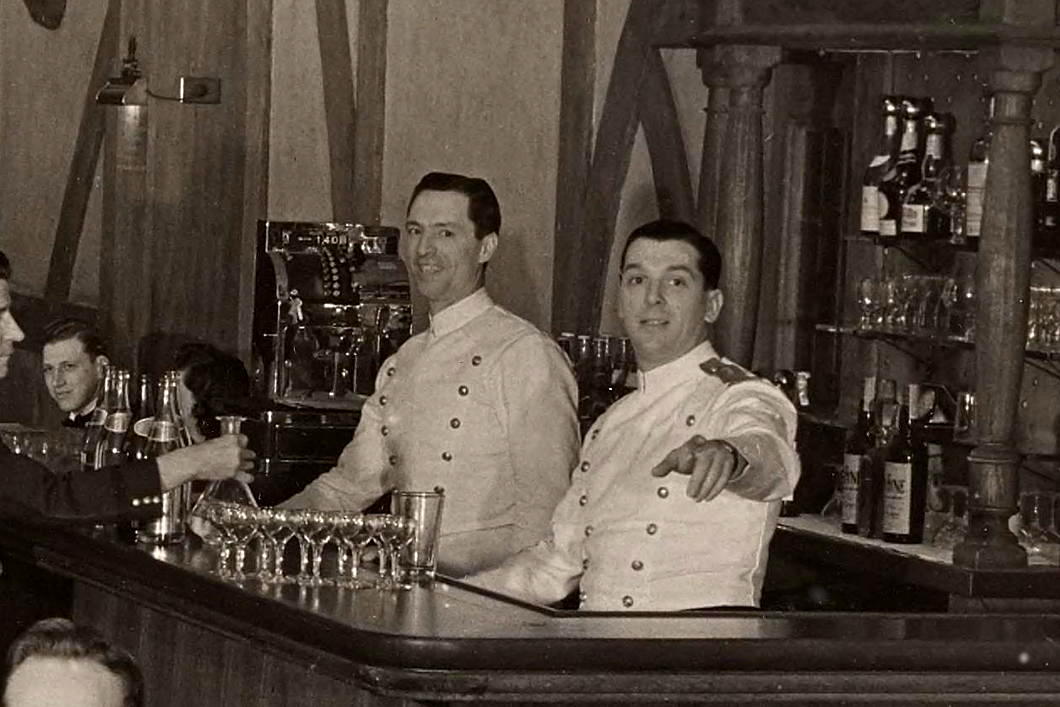
All the faces, the mode of dress — it’s a picture of a vanished New York, a year and a half before the attack on Pearl Harbor. (Incidentally, December 7, 1941 was also the day Col. Cusack — aka ‘Uncle Matt’ — was baptised.)
On another level, it looks just like the Seventh Regiment Mess I knew from my childhood, when it was in the firm but welcoming hands of Linda MacGregor.
The building has been restored physically but since the military was kicked out it is a beautiful but lifeless hulk, preserved as if in formaldehyde and reduced to being a mere “venue”.
Sic transit gloria mundi.
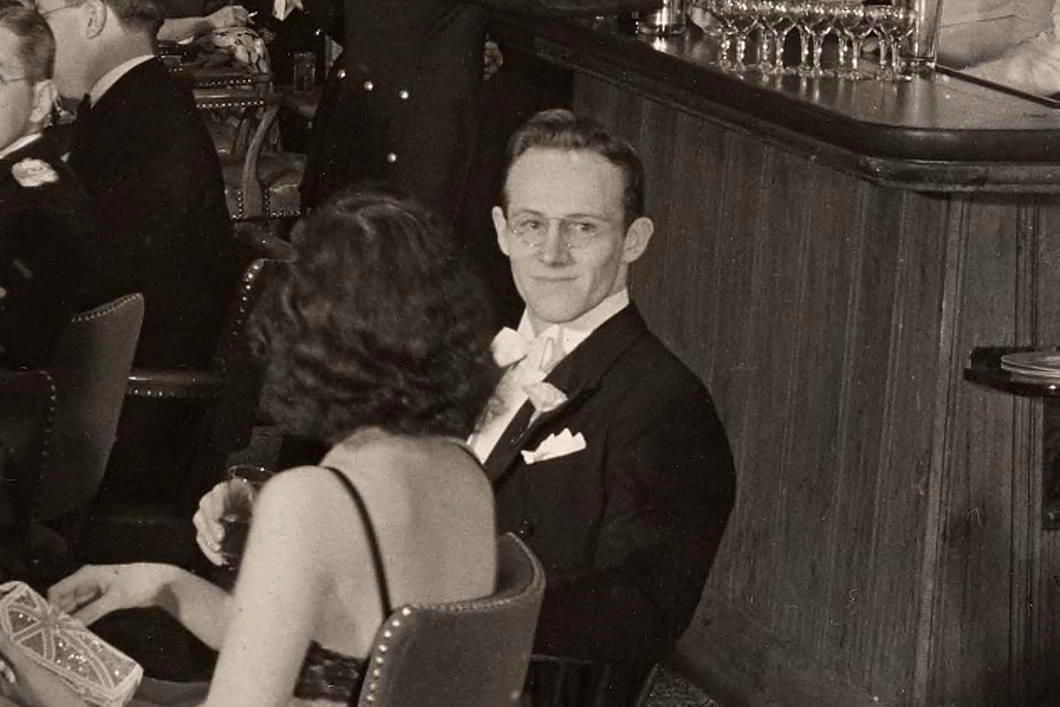
Kings, Horse Brands, and Town Seals
The Influence of James II on the Present-Day Municipal Sigillography of Suffolk County, L.I.
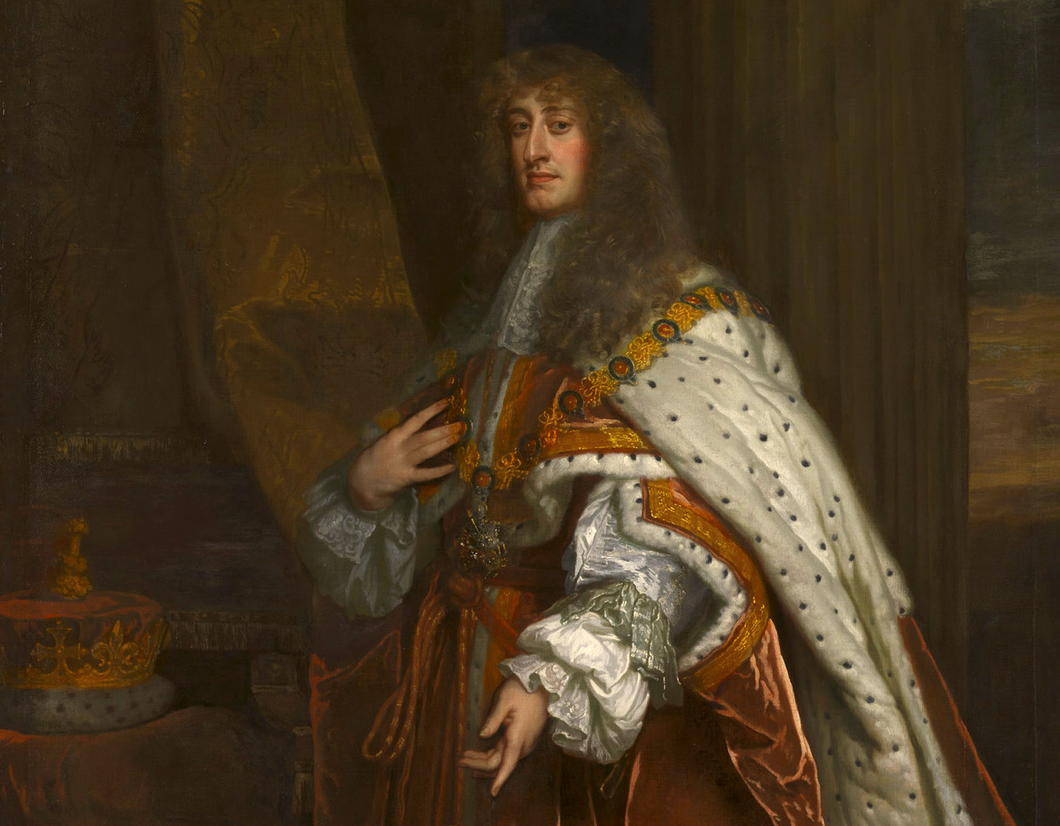
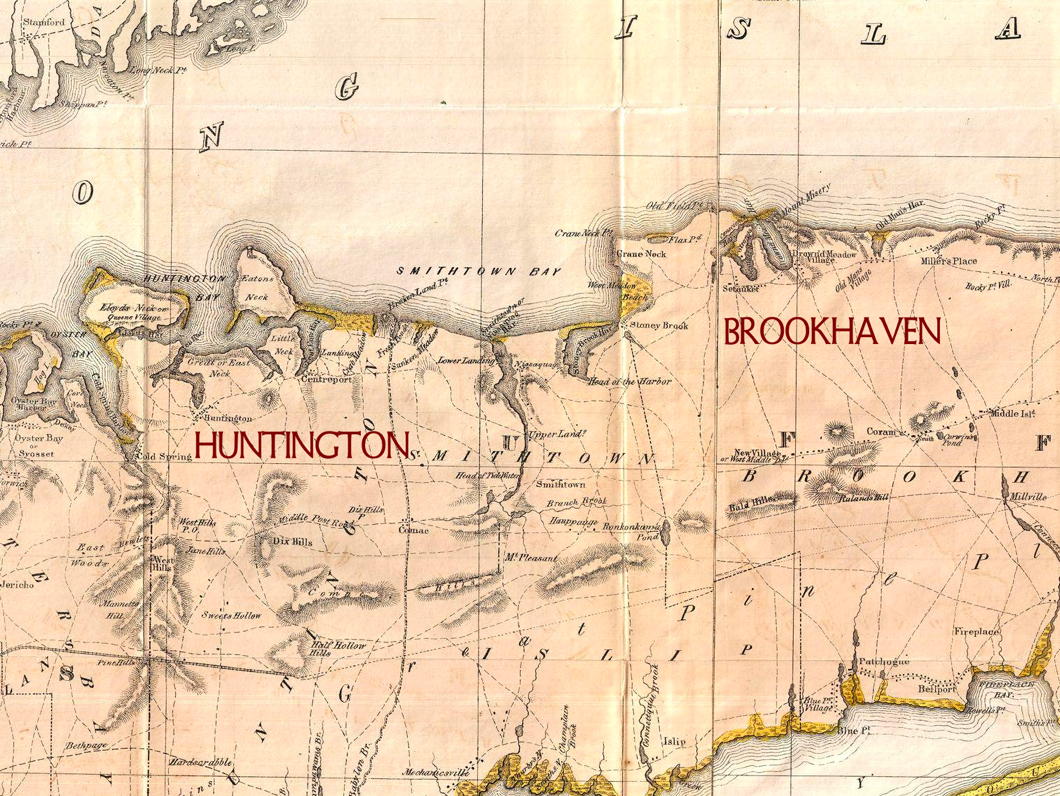
THE KEEN STUDENT of town and municipal seals, when perusing the emblems of some of the towns on Long Island, will be intrigued by the curious presence of seemingly inexplicable letters on those of Brookhaven and Huntingdon. Their origin is an intriguing and somewhat surprising one.
The great state of New York takes its name from our late and much-lamented monarch, James II (viz. here and here), who was given the province while still Duke of York during the reign of his brother Charles II. This was a little bit cheeky as the land wasn’t actually Charles’s and was happily occupied by our Dutch forefathers of old, who had every intention of keeping it within the merry garth of their seabound empire.
Nonetheless, a few English ships were sent over and the mercantile population persuaded old peg-legged Peter Stuyvesant not to lose his other leg as they generally thought the prospect of New Amsterdam being shelled and burnt to the ground was not an altogether welcome one and what difference does it make which side of the North Sea one is governed from.
The Province of New York was a proprietary colony of the Duke of York, who promulgated an initial set of regulations known as “the Duke’s Laws” to aid the good administration of the colony. Somewhat eccentrically, rather than proceeding by rank of importance, the Duke’s Laws were arranged alphabetically — e.g. under headings Absence, Actions, Administration, etc.
Under ‘H’ came ‘Horses and Mares’ which provided:
That every Town within this Government, shall have a marking Iron or flesh Brand for themselves in particular to distinguish the Horses of one Town from another, besides which, every Owner is to have, and Mark his Horse or Horses with his owne Particular flesh Brand having some distinguishing mark, that one mans Horses may be known from anothers.
An appendix to the Laws provided that these town horse brands would take letter form, starting on the far end of Long Island with ‘A’ for East Hampton and ‘B’ for Southampton and moving all the way along to ‘Q’ for ‘Utricht’ (New Utrecht) and ‘R’ for Gravesend in Brooklyn on the western end of the island.
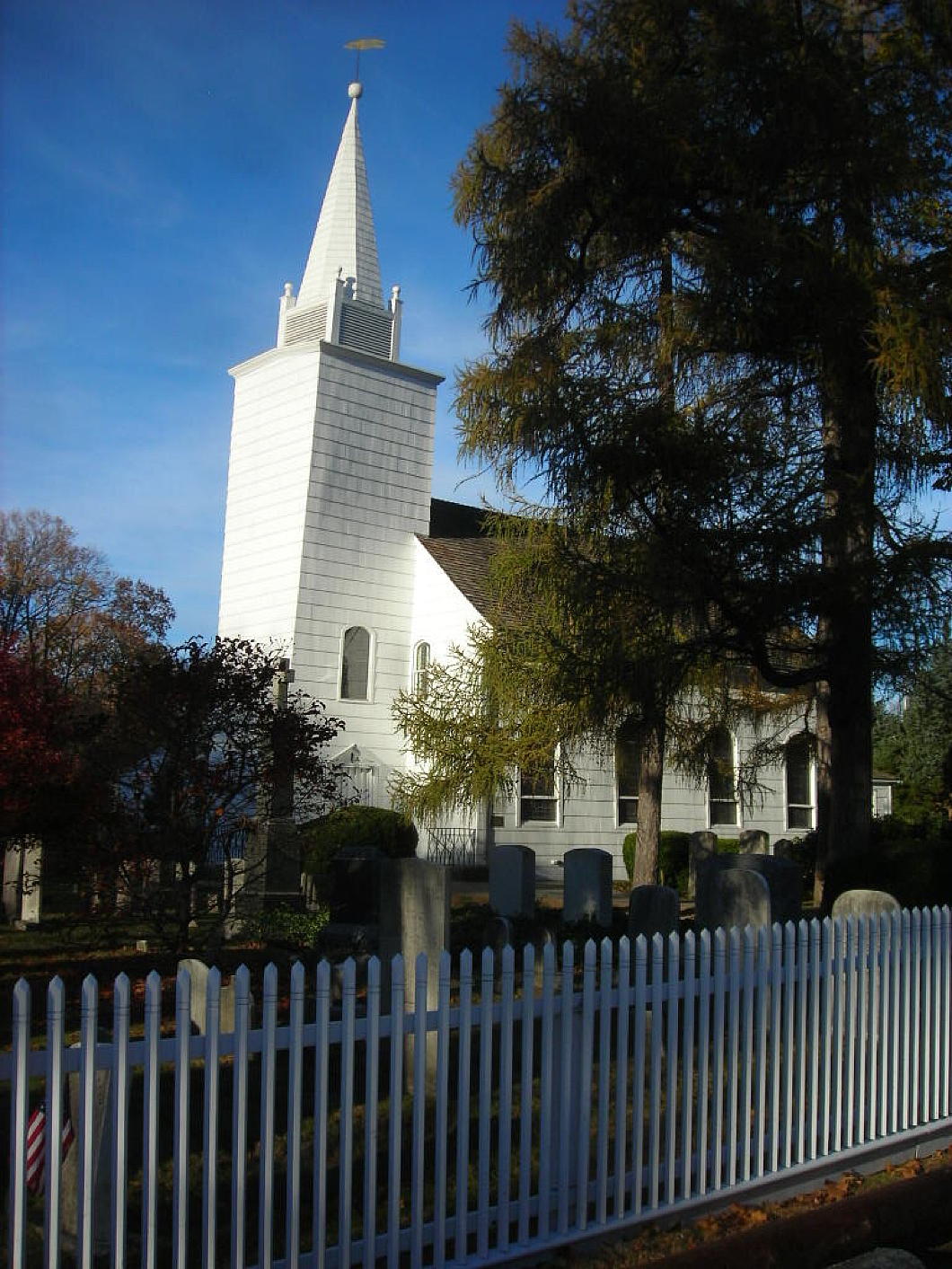
Caroline Church, Setauket —
1729, named after Queen Caroline, the wife of George II
‘Seatalcott’, or Setauket as we now call it, was assigned the letter ‘D’. Setauket and Brookhaven were basically interchangeable names for the same place, and Brookhaven eventually won out as the town’s official cognomen.
The town seal was authorised by Governor Thomas Dongan — later the 2nd Earl of Limerick — who in 1686 ordained that “the said trustees of the freeholders and commonality of the Town of Brookhaven do, and may have, and use a common Seale”.
It features the town’s horse brand letter alongside a lance and harpoons signifying the whaling trade which was so prominent in this and many English towns here and further up the Atlantic coast.
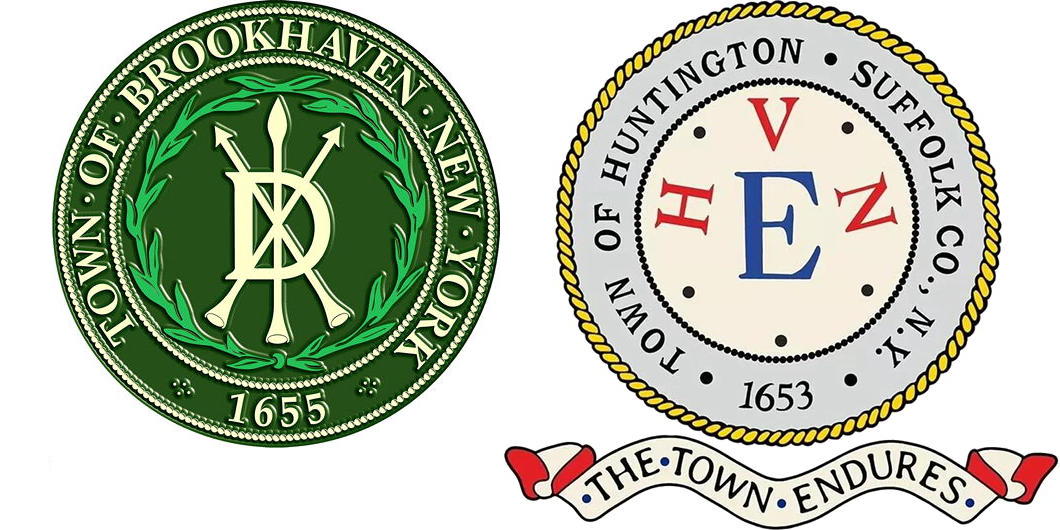
Huntington, meanwhile, was assigned the letter ‘E’ for its horse brand and as the fifth town also included five dots alongside the letters HVN representing, (with ‘V’ for ‘U’ in the Latin manner) the town’s name. The rope surrounding the town seal represents the shipping that moved the agricultural products grown in the interior to the shore and on towards their final markets.
The town must have been one in which unsound thinking was rife, as it is believed to be named after the genocidal king-murderer Oliver Cromwell’s home town. Worse, much later the town adopted a coat of arms that was modified from Cromwell’s.
Luckily, wiser counsels have prevailed in more recent times. For the town’s 350th anniversary in 2003 it was decided to stop using the Cromwellian arms and rely solely on the town’s seal.
Huntington’s motto — THE TOWN ENDURES — has an almost cryptic quality. The town church — “Old First” — was founded in 1658 and when its second building was finished in 1715 it acquired a bell from England. Sometime during the Revolution, it was carried away by loyal troops and ended up on HMS Swan, where Huntington native Zebulon Platt noticed it while being held prisoner.
If legend is to be believed, one Nathaniel Williams arranged the return of the bell and had it recast in 1793, including the phrase ‘THE TOWN ENDURES’. This may reflect the 1773 town resolution which provided money for the purchase of a parsonage for the church “to lye forever for that purpose as long as the town endures”.
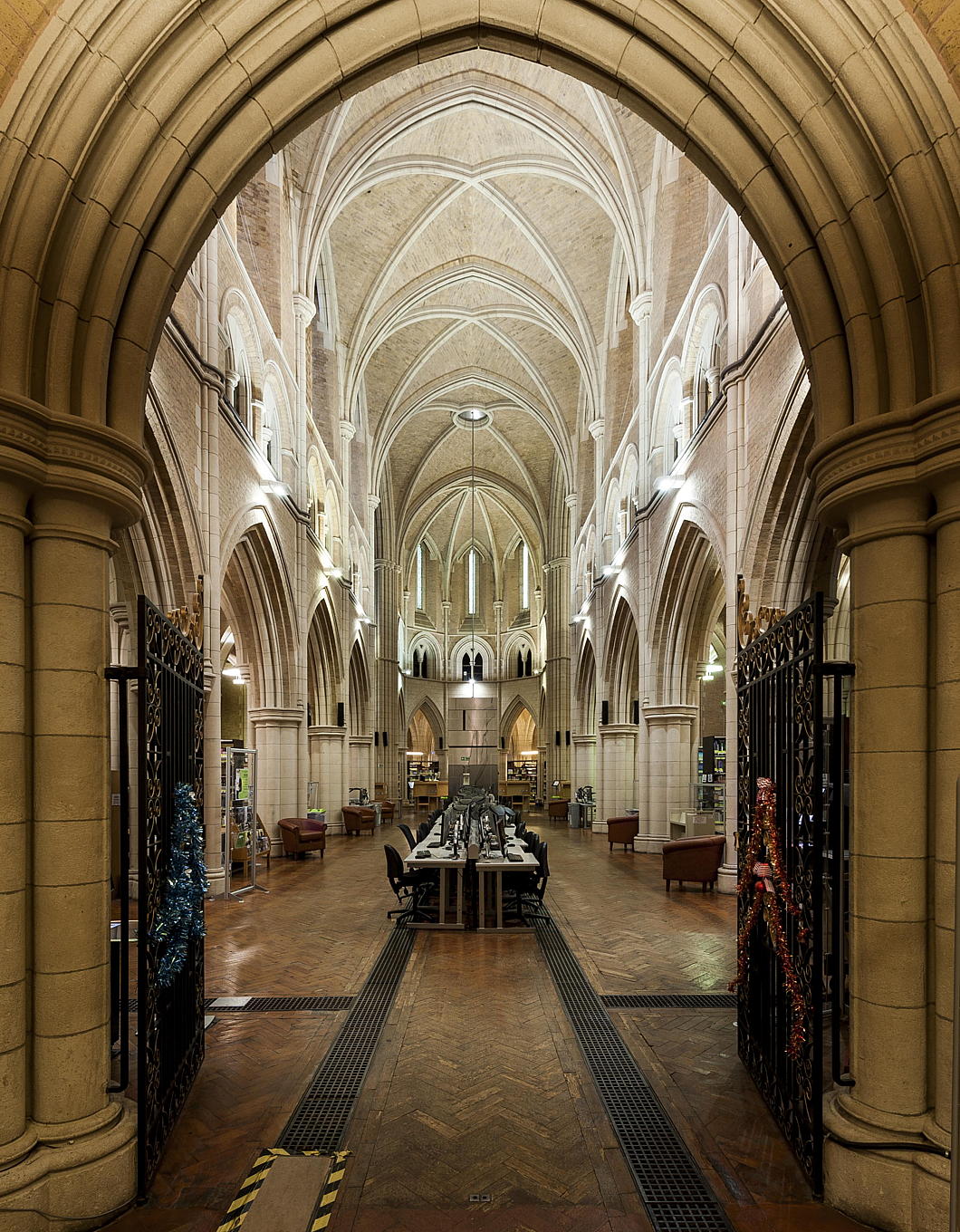
Whitechapel Library
There are precious few suitable uses for former church buildings.
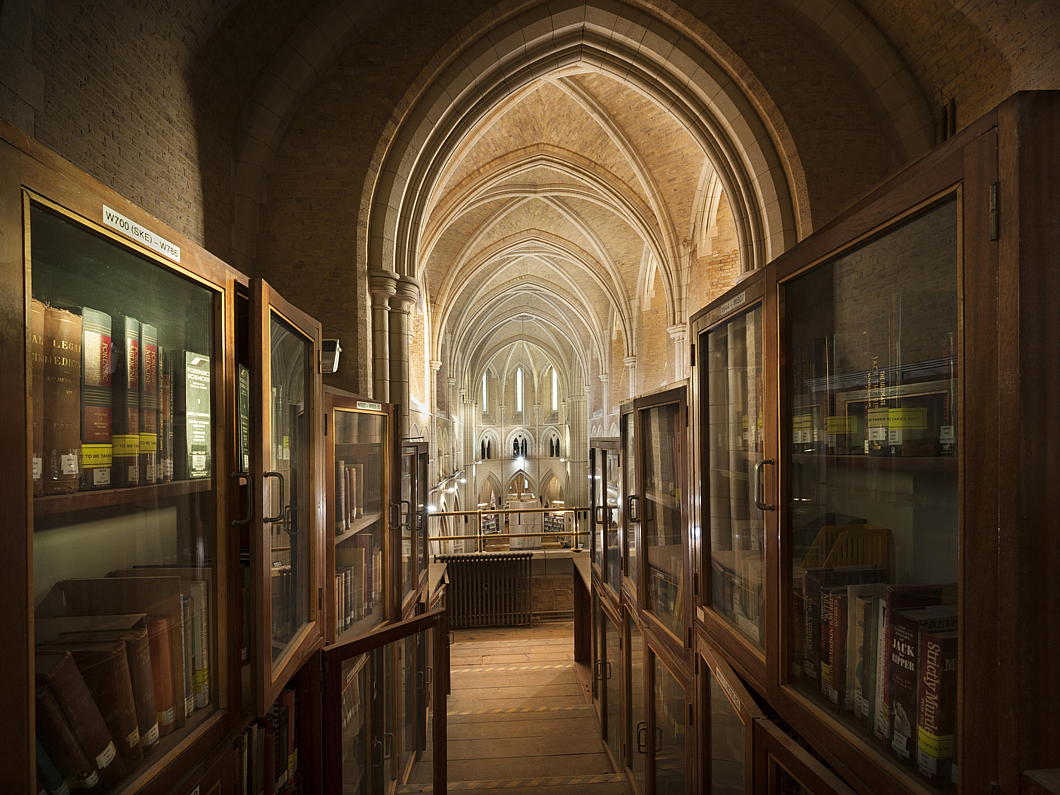
At the worst end of the spectrum is nightclub, though bar or restaurant often doesn’t fall terribly far behind either. To my mind, I can hardly think of a more suitable use for an elegant and beautiful former church than to be turned into a library.
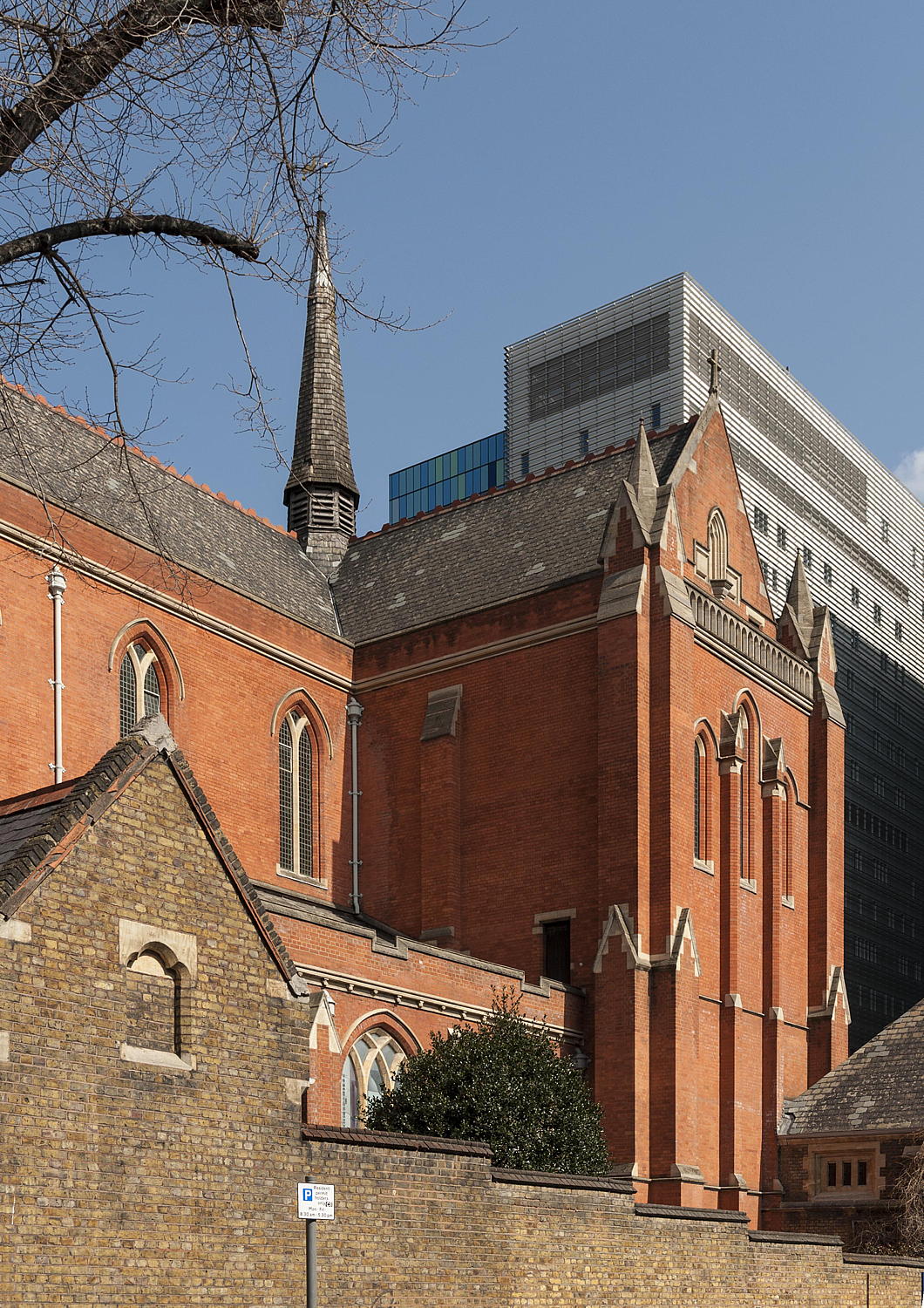
An example: the former Anglican parish church of St Philip, Stepney, in Whitechapel. Designed by Arthur Cawston, of whom I know little, it reminds me of J.L. Pearson’s Little Venice church for the eccentric “Catholic Apostolic Church”.
St Philip’s was declared redundant in 1979, at which time the neighbouring London Hospital still had its own medical school. This has since merged with that of St Bartholomew’s into “Barts and the London” or “Barts” or “BL”, under the auspices of Queen Mary University of London.
As St Philip’s sat pretty much smack dab in the middle of the campus of the London Hospital (augmented to the Royal London Hospital from 1990) and the college was surviving in cramped accommodation, it was decided to restore the fabric of the church and convert it to a library and study centre. The crypt of the church was adapted to house computer, teaching, and storage rooms as well as the museum of the Royal London Hospital.
Rather than preserve it in aspic, the medical school decided to keep this as a living building by commissioning eight new stained-glass windows to replace plain glass. They are completed along rather forthright German modernist designs and are dedicated to such themes as Gastroenterology and Molecular Biology. They will not be to everyone’s taste, but it is admirable for a medical school to commission stained glass windows at the turn of the millennium.
The Survey of London’s Whitechapel Project has a typically thorough entry on QMUL’s Whitechapel Library / the former church, including these applaudable photographs the Survey commissioned from Derek Kendall.
City Hall Post Office
New York’s Lost Second Empire Gem
The Second Empire as an architectural style in America has always bad rap. The most prominent example in the New World is the Old Executive Office Building next to the White House in Washington, D.C. — formerly known as the State, War, and Navy Building after the three government departments it housed in the days of a slimmer federal state.
The OEOB was designed by Alfred B. Mullett, a Somerset-born architect who had immigrated to the United States when he was eight years old. Mullett trained as an apprentice under Isaiah Rogers who was Supervising Architect of the U.S. Treasury Department. In practice, the Treasury’s architect designed all the American federal government’s office buildings across the Union, and Mullett inherited the job in 1866.
At that time, the ever-expanding city of New York was desperately in need of a new post office, having occupied the former Middle Dutch Church since 1844. Congress approved funds for a new building, and an architectural competition attracted fifty-two entries. Instead of choosing one of the entries, five leading contenders were selected to collaborate on producing a single design.
Mullett criticised the joint design as too expensive and called in the job to his own office so that he could design the building himself.
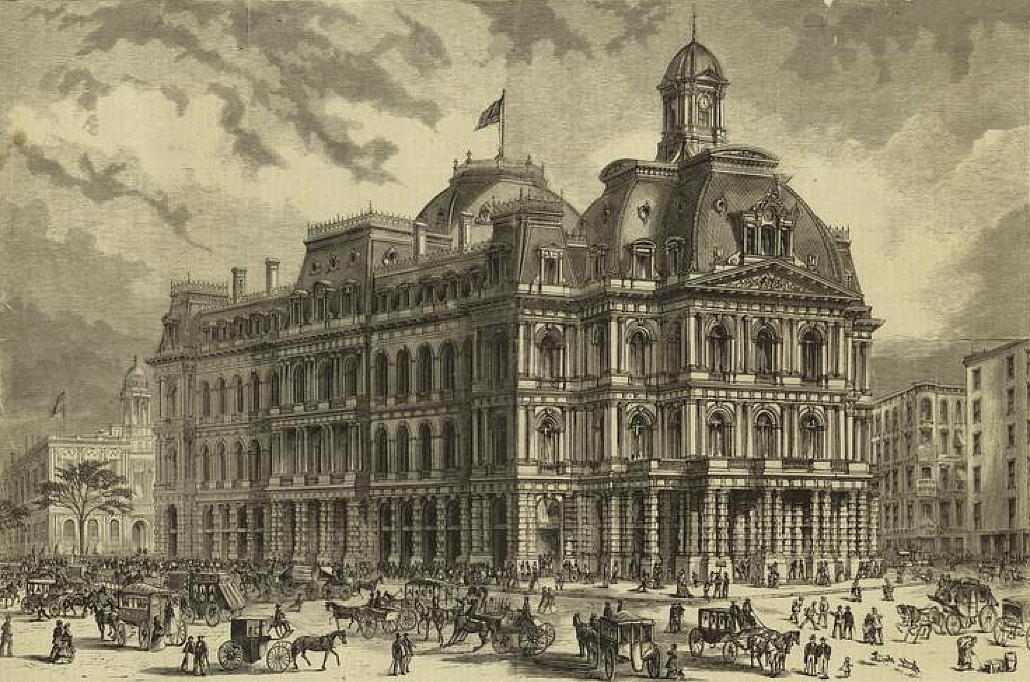
Mullett’s Second-Empire design provided for a post office open to the public on the ground floor, mail sorting rooms below it, and space for federal courtrooms as well as offices for federal agencies in the floors above the postal facilities.
The original design (above) called for only four storeys but during the design process the need for more space to serve the growing city moved Mullett to slip another floor in beneath the mansard roof. (more…)
Articles of Note: 6 January 2024
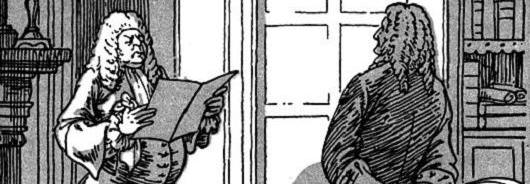
■ I had the great privilege of studying French Algeria under the knowledgeable and congenial Dr Stephen Tyre of St Andrews University and the country continues to exude an interest. The Algerian detective novelist Yasmina Khadra — nom de plume of the army officer Mohammed Moulessehoul — has attracted notice in Angledom since being translated from the Gallic into our vulgar tongue.
Recently the columnist Matthew Parris visited Algeria for leisurely purposes and reports on the experience.
■ While you’re at the Spectator, of course by now you should have already studied my lament for the excessive strength of widely available beers — provoked by the news that Sam Smith’s Brewery have increased the alcohol level of their trusty and reliable Alpine Lager.
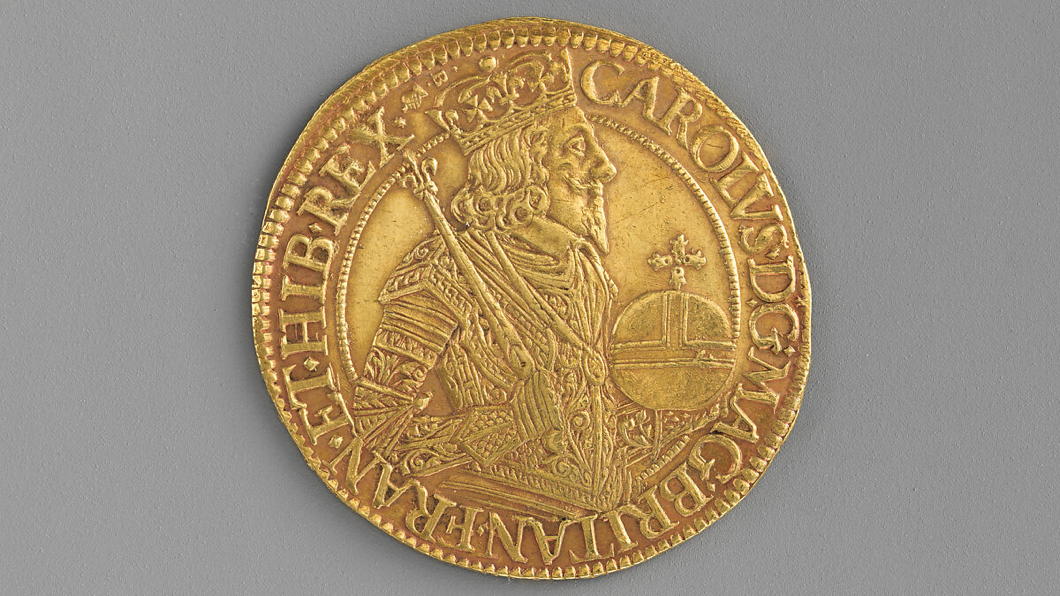
■ This week Elijah Granet of the Legal Style Blog shared this numismatic gem. It makes one realise quite how dull our coin designs are these days. I don’t see why we shouldn’t have an updated version of this for our currently reigning Charles.
■ Meanwhile Chris Akers of Investors Chronicle and the Financial Times has gone on retreat to Scotland’s ancient abbey of Pluscarden and written up the experience for the FT. As he settled into the monastic rhythm, Chris found he was unwinding more than he ever has on any tropical beach.
Pluscarden is Britain’s only monastic community now in its original abbey, the building having been preserved — albeit greatly damaged until it was restarted in 1948. The older Buckfast is also on its original site but was entirely razed by 1800 or so and rebuilt from the 1900s onwards. (Pluscarden also has an excellent monastic shop.)
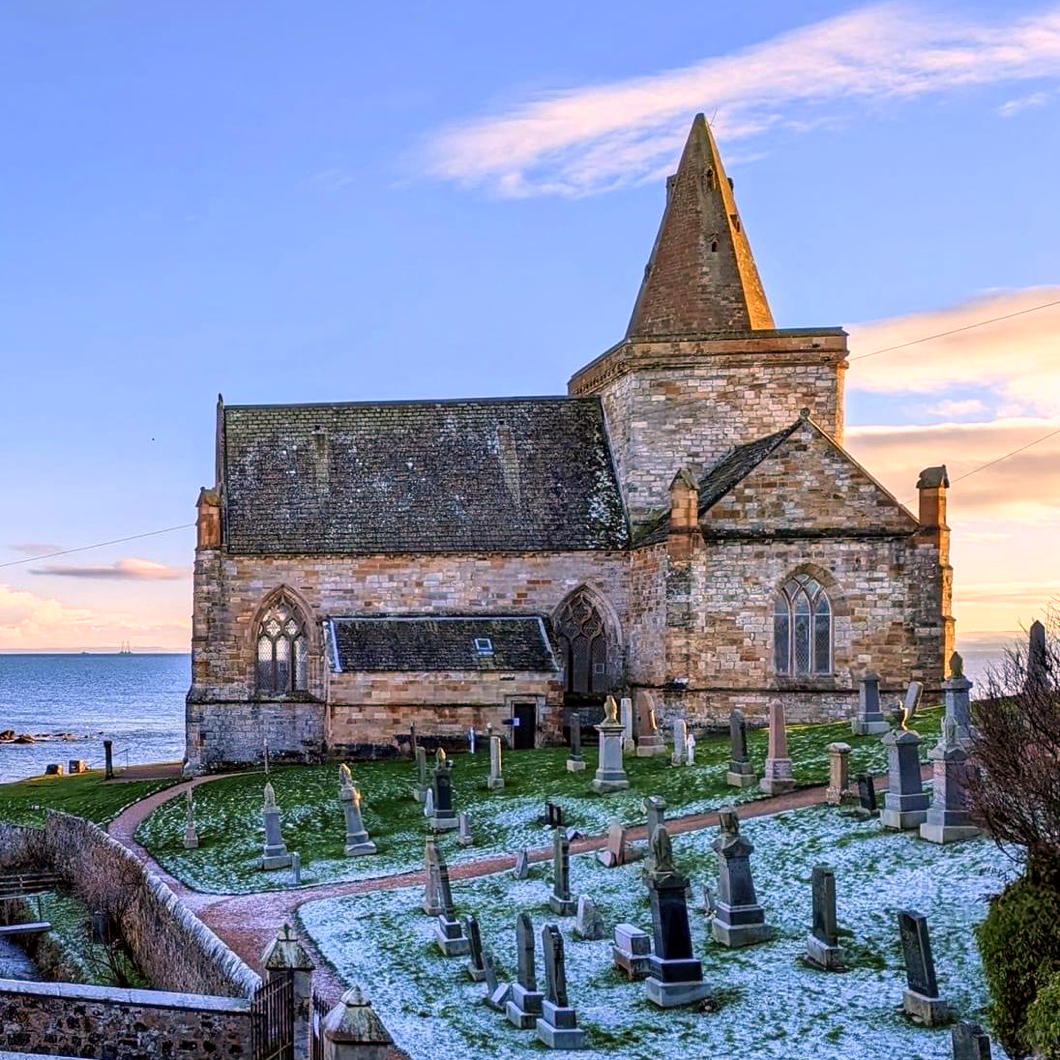
■ An entirely different and more disappointing form of retreat in Scottish religion is the (Presbyterian) state kirk’s decision to withdraw from tons of their smaller churches. St Monans is one of the mediæval gems of Fife, overlooking the harbour of the eponymous saint’s village since the fourteenth century, and built on the site of an earlier place of worship.
Cllr Sean Dillon pointed out the East Neuk is to lose six churches — some of which have been in the Kirk’s hands since they were confiscated at the Reformation, including St Monans.
John Lloyd, also of the FT, reported on this last summer and spoke to my old church history tutor, the Rev Dr Ian C. Bradley. More on the closures in the Courier and Fife Today.
What a dream it would be for a charitable trust to buy St Monans and to restore it to its appearance circa 1500 or so, available as a place of worship and as a living demonstration of Scotland’s rich and polychromatic culture that was so tragically destroyed in the sixteenth century. You could open with a Carver Mass conducted by Sir James MacMillan.
■ And finally, on the last day of MMXXIII, the architect Conor Lynch reports in from Connemara with this scene of idyllic bliss:
St Paul’s: Before and After the War
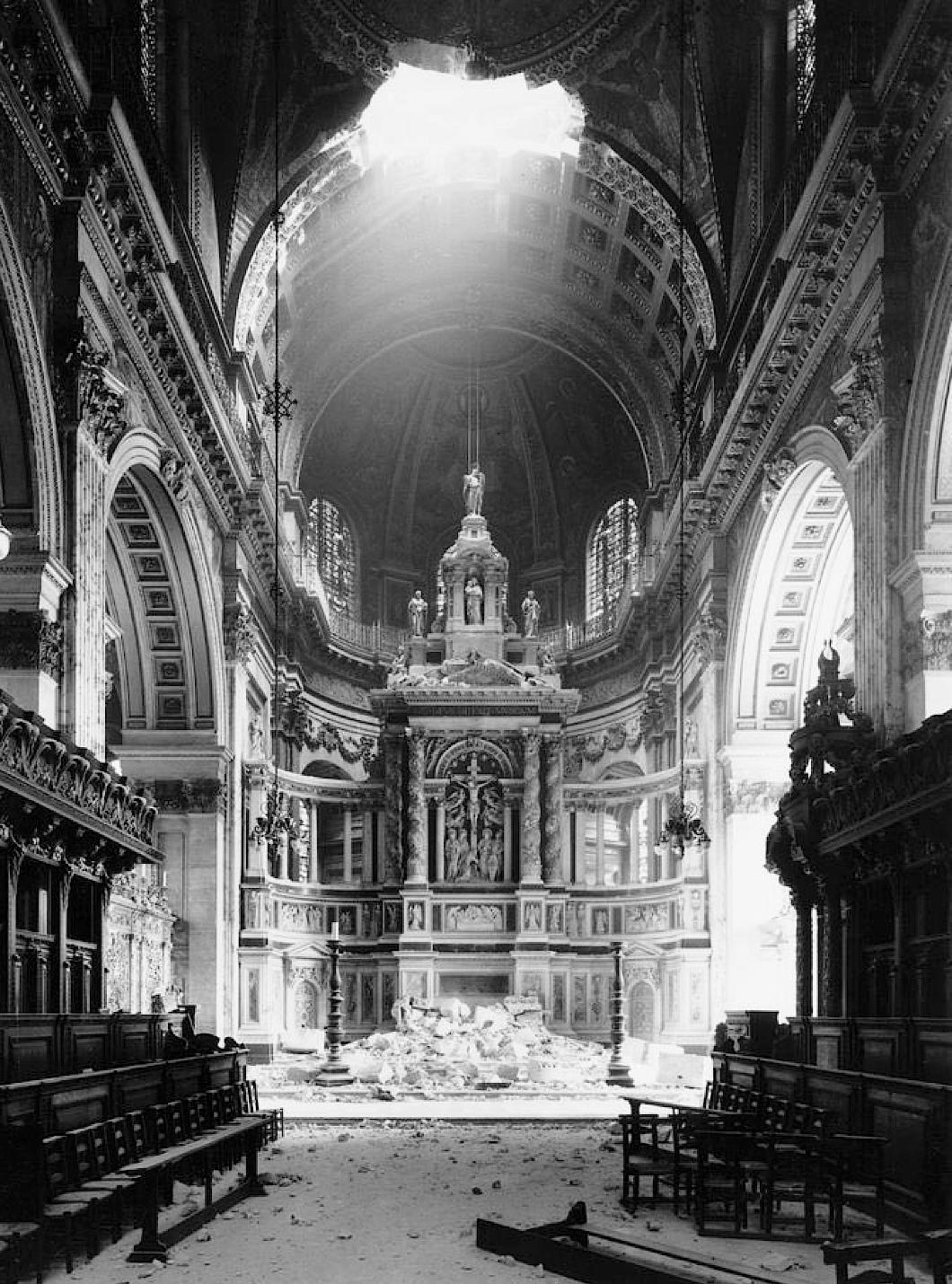
Wren’s post-Fire St Paul’s Cathedral was an icon of resistance to German aggression and an emblem of survival during the Blitz, but while the dome survived the church did suffer damage: A bomb fell threw the roof of the east end on the evening of 10 October 1940, tumbling masonry and destroying the high altar.
Despite the reredos remaining largely intact, as can be seen in the photograph above, it was decided to remove it and rebuild the High Altar under a baldacchino as Sir Christopher Wren had intended.
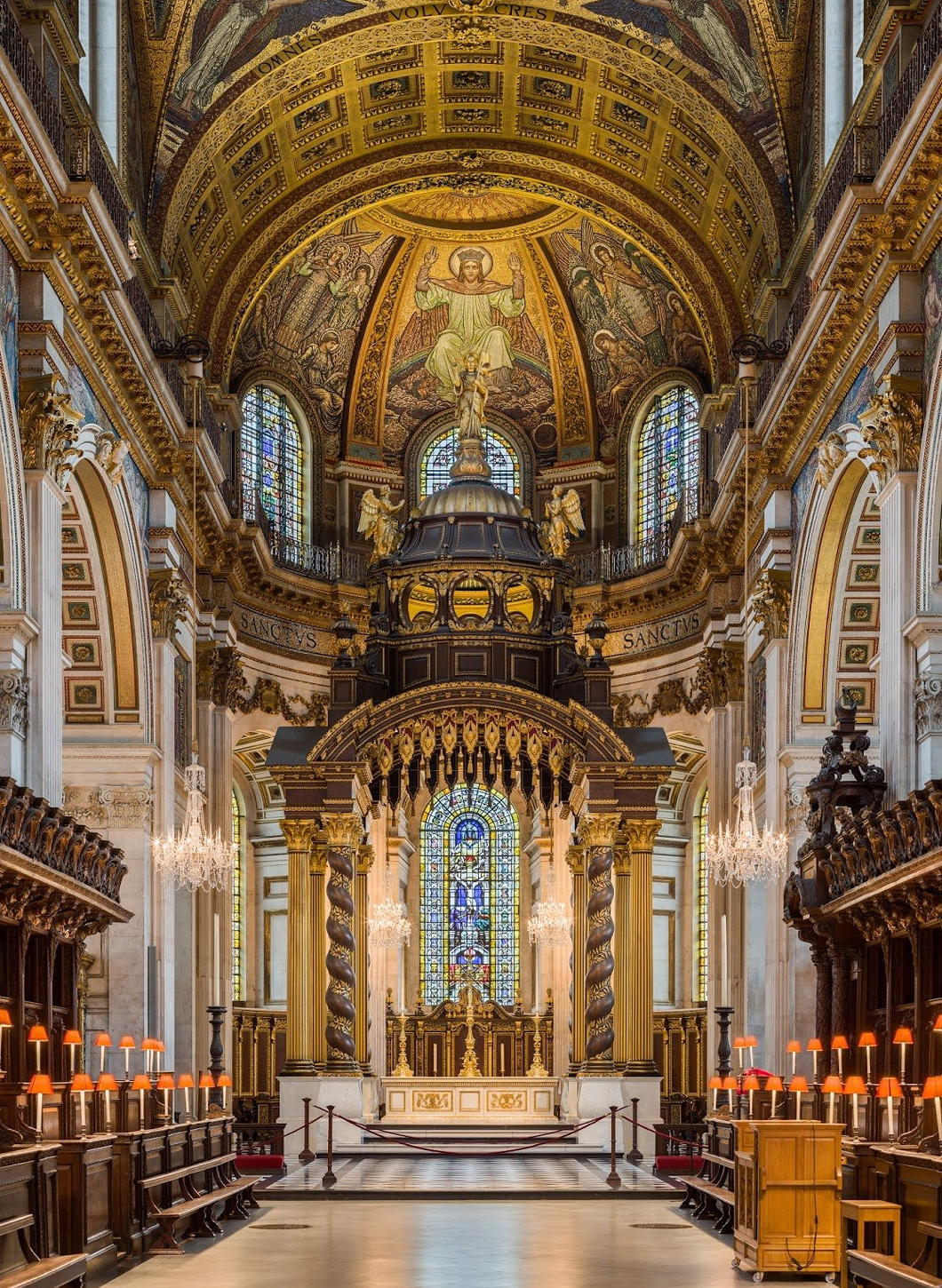
In 1958 the new High Altar, designed by W Godfrey Allen and Steven Dykes Bower, was dedicated with an American Memorial Chapel behind it.
This was proposed by the Dean of St Paul’s and General Eisenhower volunteered to raise money for it in the United States.
The Dean turned down the Supreme Commander’s offer, saying that this would be paid for by Britons as an appreciation of the American sacrifice during our common struggle.
A roll of honour lists the names of the 28,000 Americans who gave their lives while stationed from Great Britain.
Perhaps more intriguing than either view is the one below of the interior of St Paul’s before the Victorian scheme for the High Altar was executed.
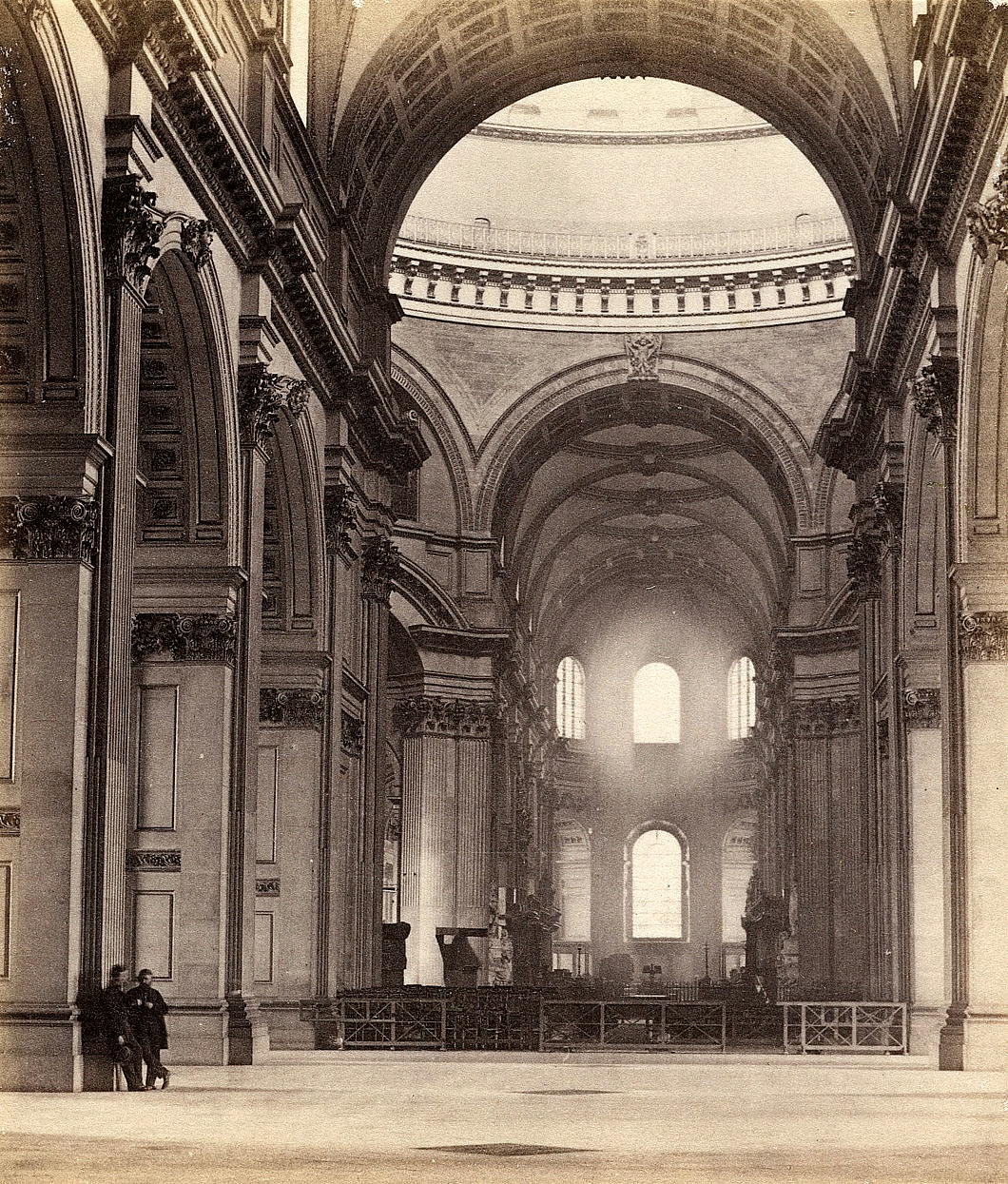
Search
Instagram: @andcusack
Click here for my Instagram photos.Most Recent Posts
- Brunel’s Unbuilt Capitol February 3, 2026
- Cricket at Fordham January 27, 2026
- Palacio Barolo Revisted January 14, 2026
- Learning to Love Liguria January 14, 2026
- Crux Alba No. 2 January 13, 2026
Most Recent Comments
Book Wishlist
Monthly Archives
Categories