Church
About Andrew Cusack
 Writer, web designer, etc.; born in New York; educated in Argentina, Scotland, and South Africa; now based in London.
 read more
News
Blogs
Reviews & Periodicals
Arts & Design
World
France
Mitteleuropa
Knickerbockers
Argentina
The Levant
Africa
Cape of Good Hope
Netherlands
Scandinavia
Québec
India
Muscovy
Germany
Academica
Crux Alba No. 2

You can purchase a copy via the Grand Priory’s shop or find out how to subscribe.
The lead article by Gregory Goodrich explores the Order’s search to purchase land from the early United States and includes previously unpublished correspondence between the Grand Master and James Monroe.
Simone Monti examines a beautiful illuminated sixteenth-century missal from the Order’s period on Rhodes. Dr Anna K Dulska spoke with the last Hospitaller nun of Sijena before her death late last year and explores the artistic and historical legacy of the monastery there.
Clemens von Mirbach-Harff relays news of the Order’s humanitarian efforts to deal with the crisis in Gaza, including the opening of two new medical clinics. Henry Sire pens an expert review of Marcus Bull’s recent book about the Great Siege of Malta.
The issue also includes a report of the Latin Patriarch of Jerusalem’s visit to London, and more. Click here the full contents here.
Churchill’s Beguinage

The last beguine Marcella Pattyn was born in Thysstad, the Belgian Congo, in 1920 and died in the beguinage of Kortrijk in West Flanders in 2013.
At the time many were tempted to mark this as the final chapter in a legacy dating back eight-hundred years, but I would not be surprised if the beguines made at least a partial comeback.
One can easily imagine a town like Oxford hosting a beguinage for the many pious ladies pursuing lifelong academic interests but seeking some sense of Christian life in common. (And the perfect property for it has just come on the market if a patron with deep pockets can be found).
Who were the beguines? As The Economist explains:
Appearing around 1200 in the Low Countries, the Beguines’ semi-religious lifestyle forged a third way for women. Though its chaste sisters, of all ranks and fortunes, prayed together, they were not bound by permanent vows. Beguines belonged to no religious order, so made their own rules.
They lived apart from society in beguinages — self-sufficient clusters of individual houses grouped around a church—but could enter the town at will (though they had to return at dusk). That allowed for an exceptional degree of independence, unknown by their medieval sisters, whether wives or nuns. Even a married woman could become a Beguine (though few did: celibacy was prized).
Most Flemish beguinages were built in urban communities, near hospitals and leper houses. The sisters ministered to the poor and sick in their own infirmaries or at nearby hospitals. But they also washed raw wool and laundered sheets, earning their livelihood through Europe’s booming cloth industry; and, later, by making lace and weaving. Others worked on farms and in gardens.
No visit to Amsterdam is complete without an exploration of its Begijnhof. Somehow, the beguines of the city miraculously survived “The Alteration” of 1578, when Amsterdam’s Catholic city fathers were overthrown, seized, and expelled by a group of Calvinists.
The old chapel was given over to the city’s English Reformed community and many of the founders of New England worshipped there before heading off to land at Plymouth Rock. The Catholic beguines made do with a clandestine chapel built in one of the houses and the last beguine of Amsterdam died in 1971.
The Great Begijnhof of Leuven is likewise well worth a wander: it is an entire quarter covering ten streets. Having fallen into disrepair while owned by the state as alms-houses, it was purchased by the University in the 1960s and restored under the guidance of Professor (and Baron) Raymond Lemaire to house students and academics.
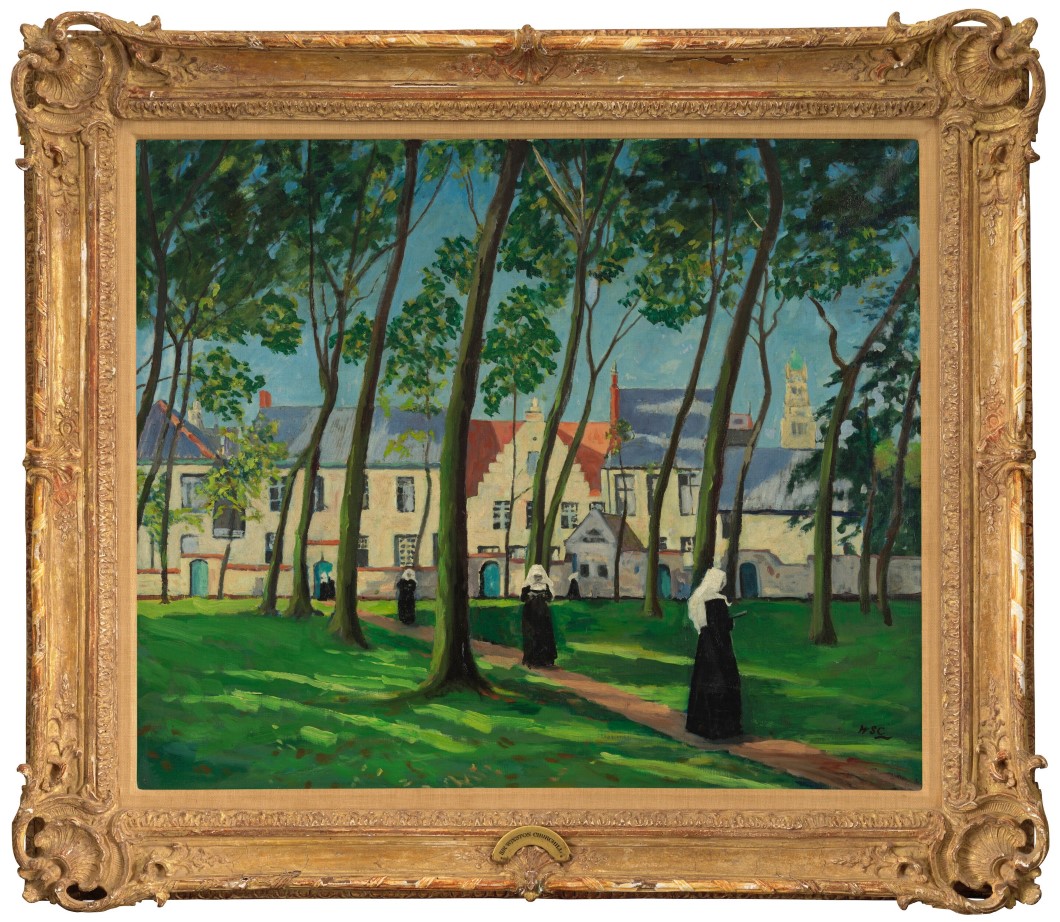
That inescapable man Sir Winston Spencer Churchill KG OM CH &c. counted painting amongst his many pastimes. A year after the British voter gave him the boot and expelled him from Downing Street, Churchill was amidst his typically extensive travels when he found time to visit Belgium and paint the beguinage of Bruges.
The sisters depicted are not actually beguines but Benedictines. They arrived at the Princely Beguinage Ten Wijngaerde in 1927 when the Grand Mistress’s house and adjacent quarters were converted into a convent. The overall site is now owned by the city of Bruges, but four Benedictine sisters remain. The other houses are run as secular alms-houses and sheltering for single women.
Churchill’s ‘Le Béguinage, Bruges’ is up for auction at Bonham’s later this month and the auctioneers provide Churchill’s secretary Grace Hamblin’s explanation of how she came to own it:
He put [a different painting] up and then he said, ‘What do you think of it?’ It was one of his most terrible paintings. And he must have seen my expression, because I wouldn’t dare to criticise it, I promise you, I know nothing about painting.
I said ‘Well, it’s not my favourite.’ And he said, ‘Which is your favourite?’ And I said, ‘Well, I love the Béguinage.’ So he said, ‘Oh, well, we’ll put that here.’
Some years later it went on exhibition with others to New York. When it came back and I was helping him unpack it, he said, ‘This is yours. Take it home.’ That’s all there was to it. Just like that… enough to kill anybody. I couldn’t believe it… to receive one of his paintings, and from him!’
The secretary had good taste.
My own collection of art by a parliamentarian — still just one item — started in a similarly haphazard manner.
I was walking down a street in Westminster one day when I came across a certain poet-painter-politician who shall remain nameless. He was parked in front of his house and packing one of his sons’ possessions into the back of his car to head off to university but was making an absolute hash of it.
I intervened saying “No, no, no: that’s no way to do it at all” and promptly re-organised the assembled items into a much more efficient arrangement. He thanked me and, as recompense for my small service, handed me a painting he had done of Santa Maria della Salute in Venice which still hangs in my somewhat meagre collection.
If you’d like to start your own collection of art by parliamentary painters, Churchill’s beguinage is going for a guide price of £300,000 to £500,000.
The Long Homecoming of Eliza Monroe
A presidential daughter is reunited with her parents
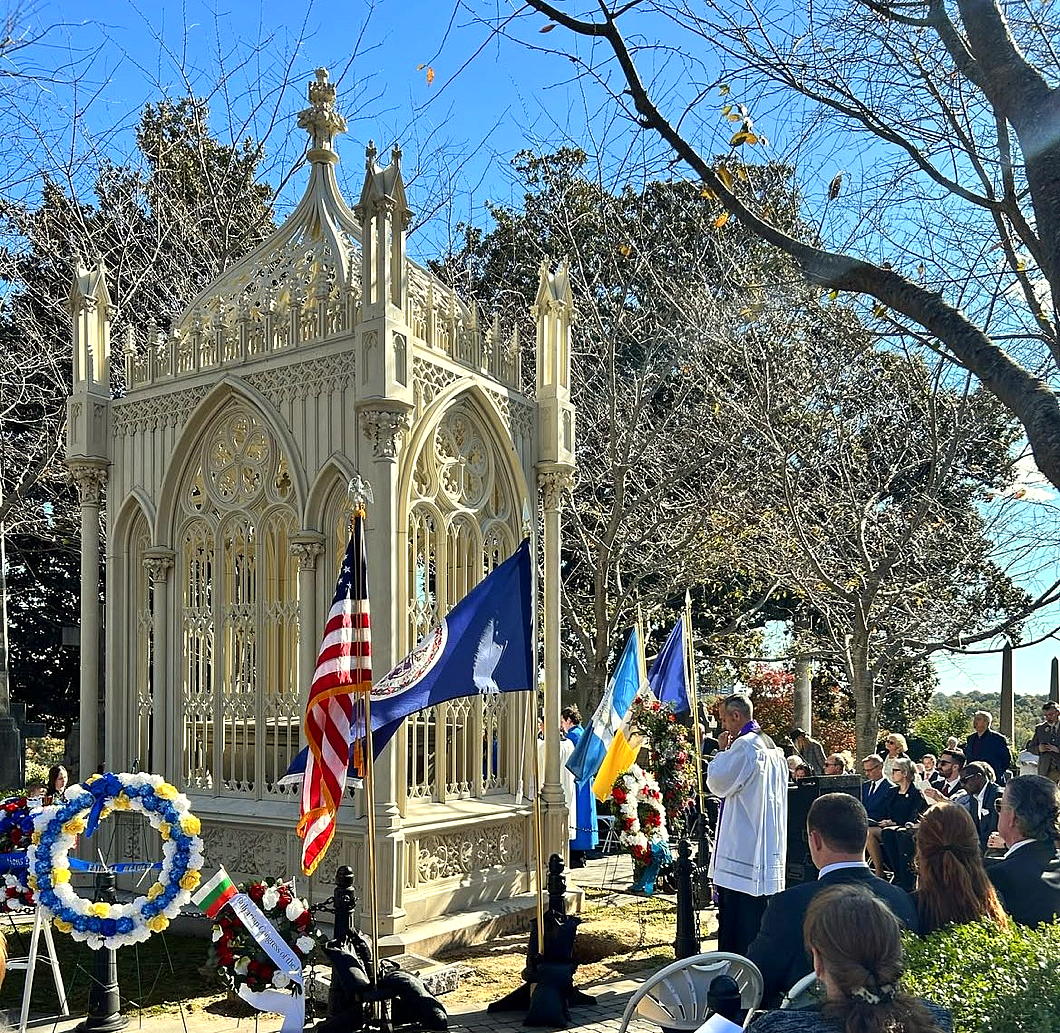
Nearly one hundred and eighty-five years after her death in Paris, the mortal remains of Eliza Monroe Hay — daughter of the fifth President of the United States — have been laid to rest in Richmond, Virginia. Her reburial beside her parents President James Monroe and First Lady Elizabeth Monroe marks the end of a long and curious chapter in the history of this illustrious American family.
The return of Eliza’s remains was the work of Barbara VornDick, a retired Virginia educator who spent more than a decade tracing Monroe descendants, searching archives and navigating French and American bureaucracy.
Working with the U.S. Embassy in Paris and the Diocese of Richmond, VornDick secured the exhumation and transport of Eliza’s remains from an unmarked Parisian grave to the family plot.
The Holy Sacrifice of the Mass was offered for the repose of Eliza Monroe Hay’s soul at the Cathedral of the Sacred Heart before the re-interment in Hollywood Cemetery on 23 October 2025.
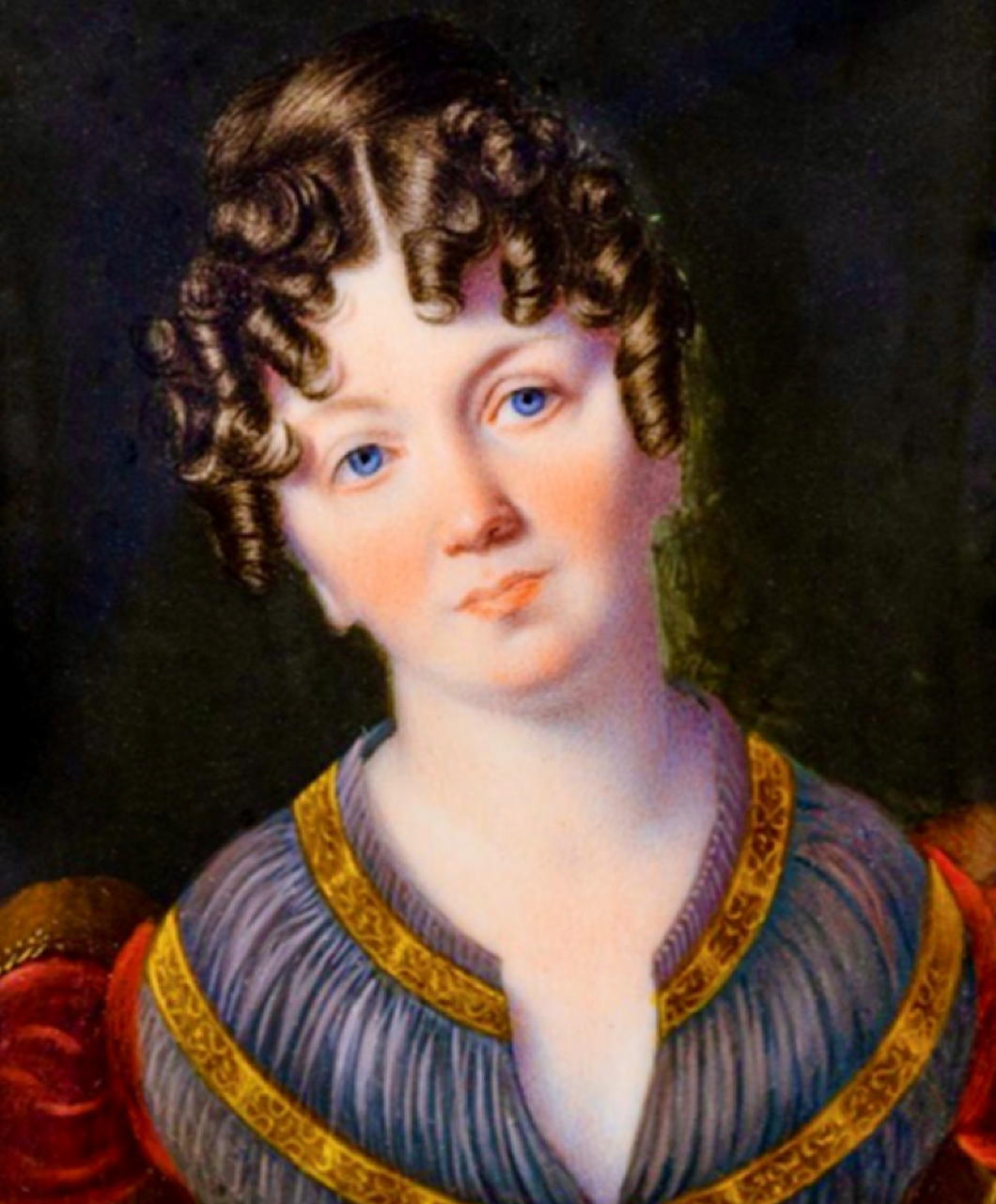
Born in Fredericksburg in 1786, Eliza Kortright Monroe grew up between Virginia and revolutionary France, where her father served as U.S. minister (as ambassadors were generally called then). A great part of her education took place in Paris where became accustomed to the courtly formality of Europe. Among the friends she made was Hortense de Beauharnais, stepdaughter of Napoleon and eventually queen consort of Holland as the wife of Lodewijk I (Luigi Buonaparte), the Emperor’s younger brother.
When James Monroe became president in 1817, her mother’s poor health led Eliza to assume many of the social duties expected of the chatelaine of the White House. Later commentators sometimes judged her reserved manner harshly, but it reflected both her upbringing and her experience of diplomacy.
In 1808 Eliza married George Hay, a Virginia lawyer best known as the U.S. Attorney who prosecuted Aaron Burr in his trial for treason before Chief Justice John Marshall the previous year. They had one daughter who was christened Hortensia after the mother’s childhood friend who acted as godmother. Hay died in 1830, followed within a year by Eliza’s mother and father.
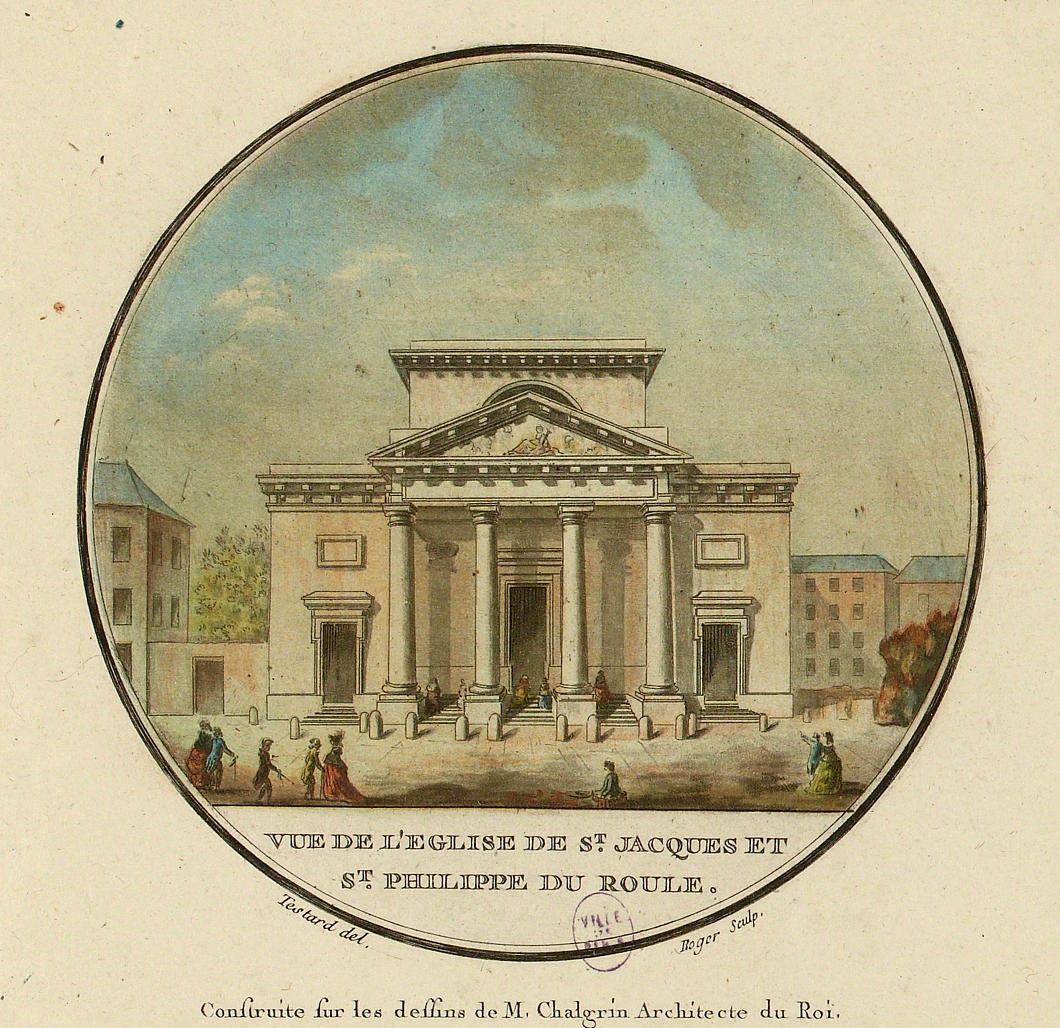
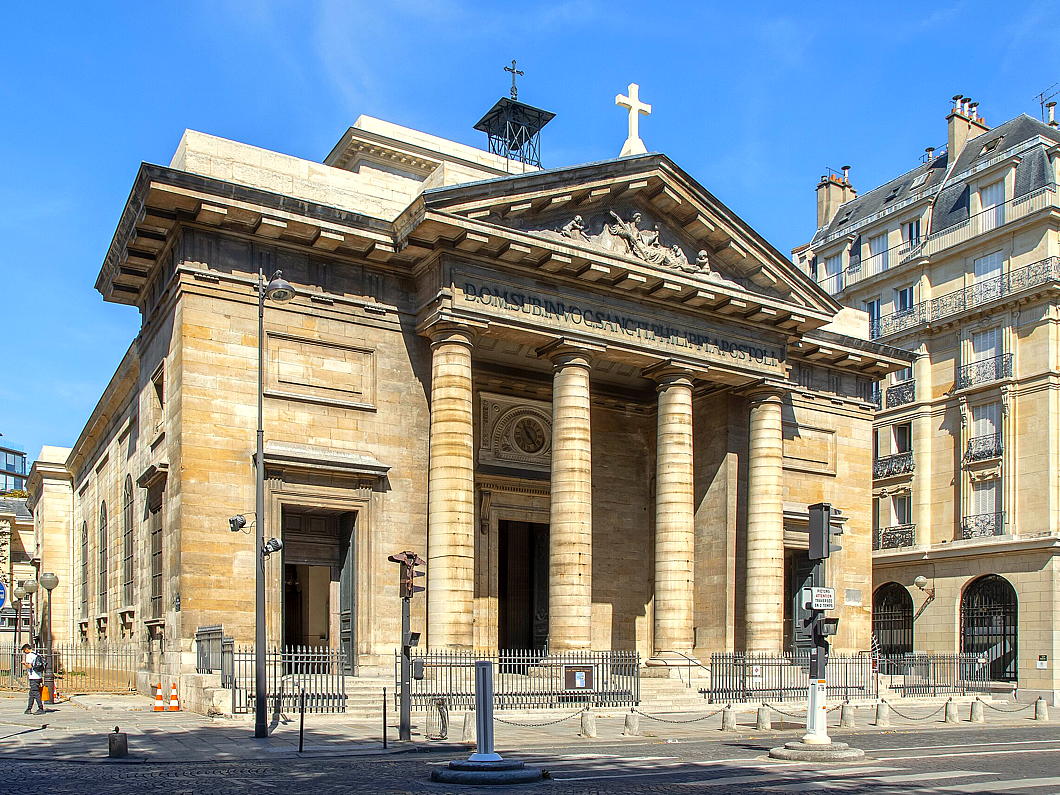
Widowed, grieving, and facing financial difficulty, Eliza returned to Paris, where Louis-Philippe had usurped the throne. Back in the French capital, Eliza embraced the Catholic faith and was received into full communion with the Church. Records identify her as a member of the parish of St-Philippe-du-Roule in the Faubourg Saint-Honoré. In 1833, she went on pilgrimage to Rome where she received a cameo depicting the head of Christ from Gregory XVI’s secretary of state.
Eliza’s final years in Paris were not entirely happy ones. A family member had deprived her of what she thought was her inheritance and she persevered in a state of penury with few possessions. Eliza Monroe Hay died in 1840, with a funeral Mass offered in her parish church and her unmarked grave purchased by the American consul, Daniel Brent.
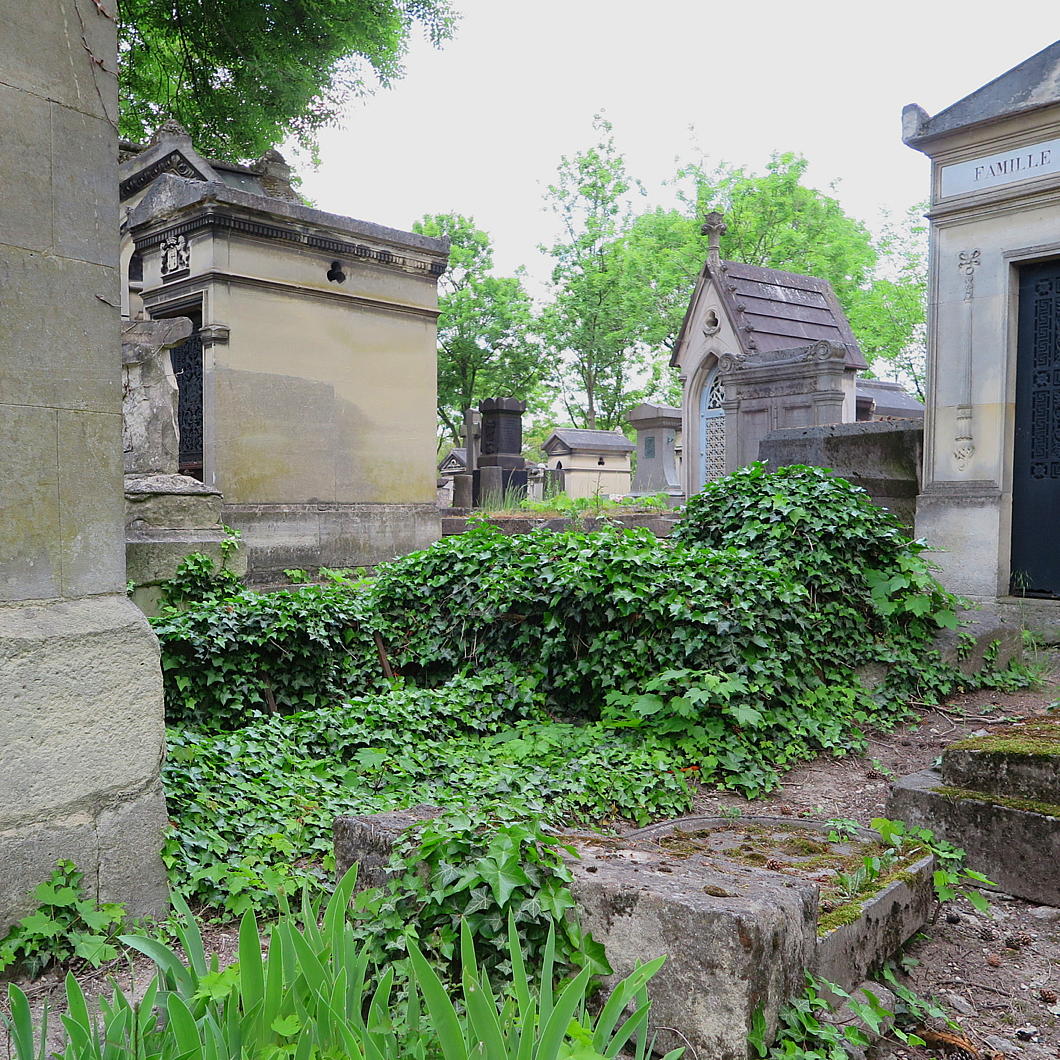
The unmarked grave of Eliza Monroe Hay.
Her memory faded, surviving mainly in family lore. The rediscovery of her letters and her reburial in Virginia have brought her back into view: a woman of faith and dignity, wronged in inheritance, isolated by loss, and now restored to her place among her own thanks to VornDick’s efforts and to her biography Eliza’s True Story: The First Biography of President Monroe’s Eldest Daughter.
For generations a family tradition held that Eliza entered a convent after her conversion. That story appears in some older biographical sketches and even in occasional press references. Recent research — especially VornDick’s examination of Eliza’s correspondence in the archives of the College of William & Mary — has found no documentary evidence that she ever took vows or joined a religious order. The legend of the nun in Paris may have arisen from confusion between her Catholic piety and the religious circles she frequented.
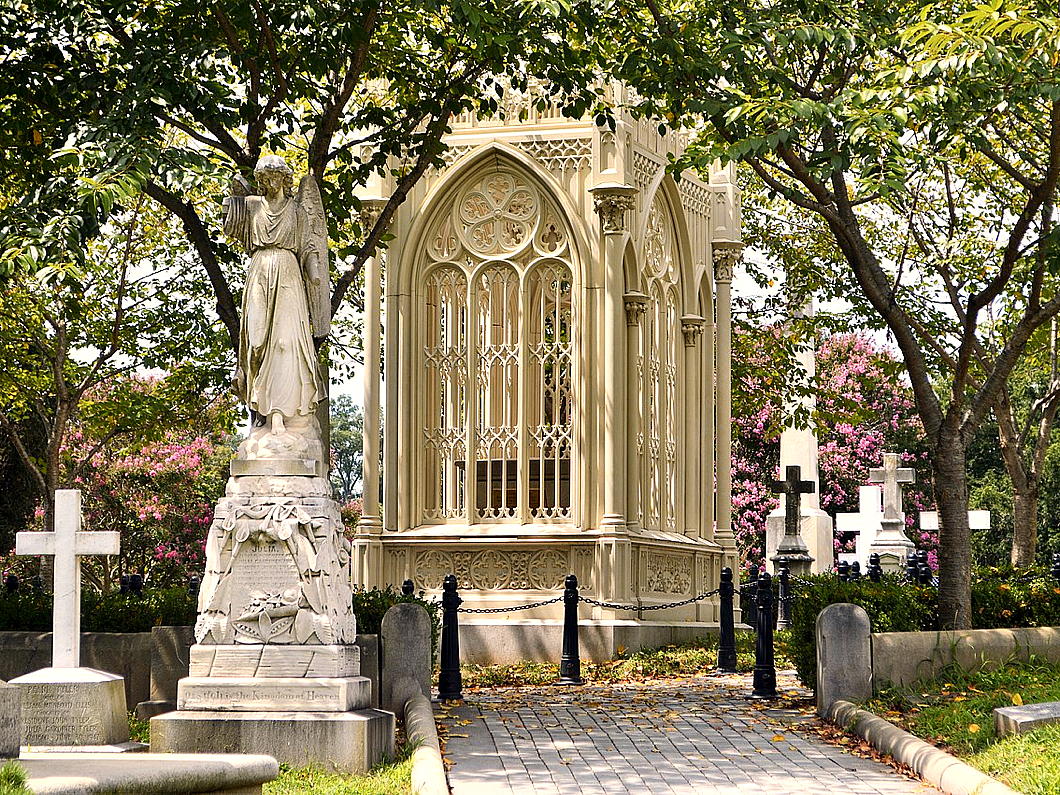
The new resting place is beside hr father’s Gothic tomb — a birdcage of traceery designed by Albert Lybrock in 1859, arches emerging like a filigree chapel above the President’s grave, but in cast-iron painted the colour of stone. The striking funerary monuments now shelters not only the nation’s fifth president but his daughter as well.
The repatriation of Eliza Monroe Hay was not a grand state ceremony but an act of personal devotion. It completes a family story interrupted by distance and time, and restores to American history a figure once nearly forgotten. In the quiet of Hollywood Cemetery, overlooking the James River, the Atlantic divide that once separated the Monroes has finally closed.
College of William & Mary: The forgotten daughter: Eliza Monroe Hay’s story revealed in her last letters
The Brooklyn Tablet: Daughter of President James Monroe Laid to Rest
Catholic News Agency: A Founding Father’s Catholic Daughter is Laid to Rest
Northern Virgina: Author Led Efforts to Rebury Monroe’s Daughter
Pope Leo XIV Cricket Trophy
Emeriti C.C. Triumph over Old Dowegians and Vatican sides
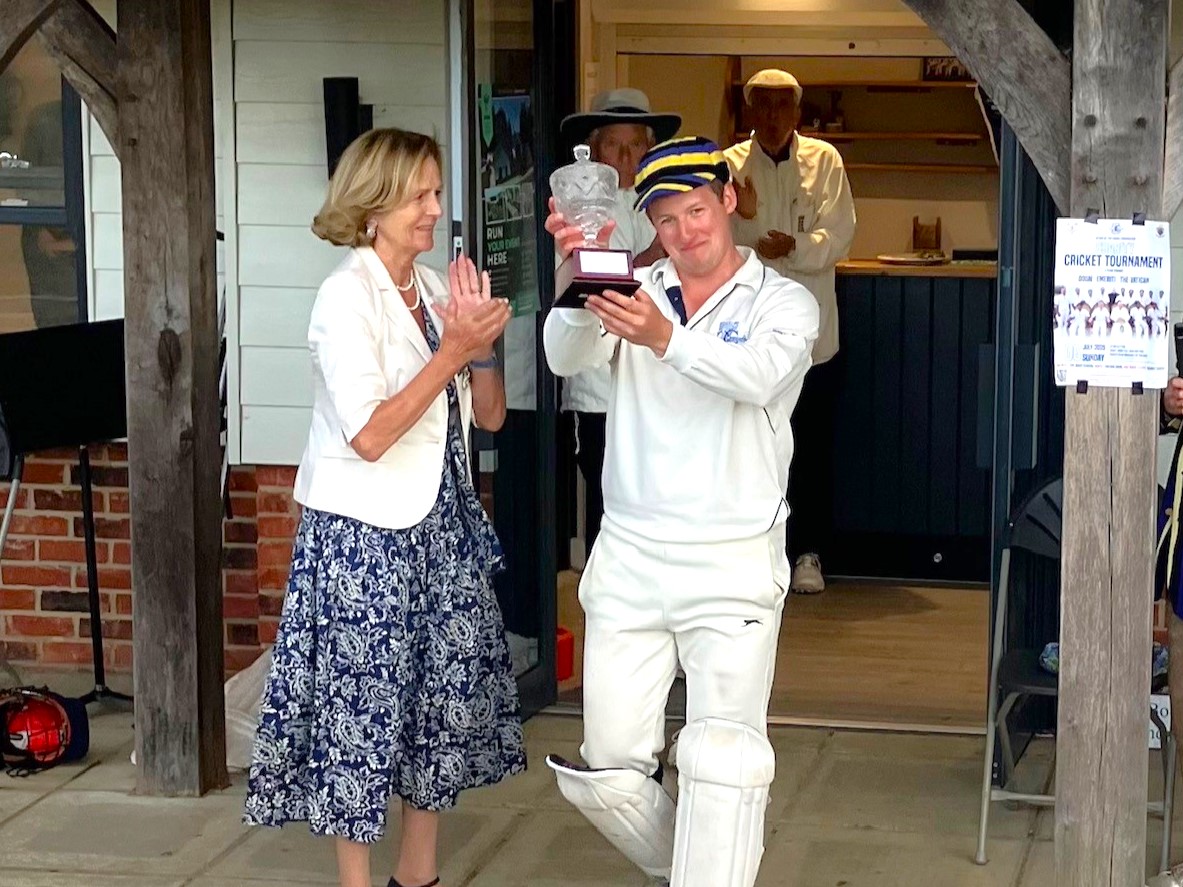
On 6 July 2025, Her Grace the Duchess of Somerset presented the inaugural Pope Leo XIV Cricket Trophy to the winners of this new sporting competition, Emeriti Cricket Club.
The Emeriti, founded in 1871 by Monsignor the Lord Petre, beat out Old Dowegians C.C. and the visiting Vatican cricket team, St Peter’s C.C., in the triangular competition.
The club takes its members from the old boys and masters of Catholic schools across England. Emeriti captain Tom Fleming received the cup from the Duchess of Somerset on behalf of his XI.
Emeriti also sponsor the Catholic Schools Cricket Festival and recently inaugurated the Catholic Schools Girls Cricket Festival to complement it. There are hopes for an independent Emeriti women’s side to emerge in the near future.
As a former Lords & Commons XI cricketer — we were beaten on the field of battle by the Vatican side — it’s good to see that cricket is alive and well in Catholic England.
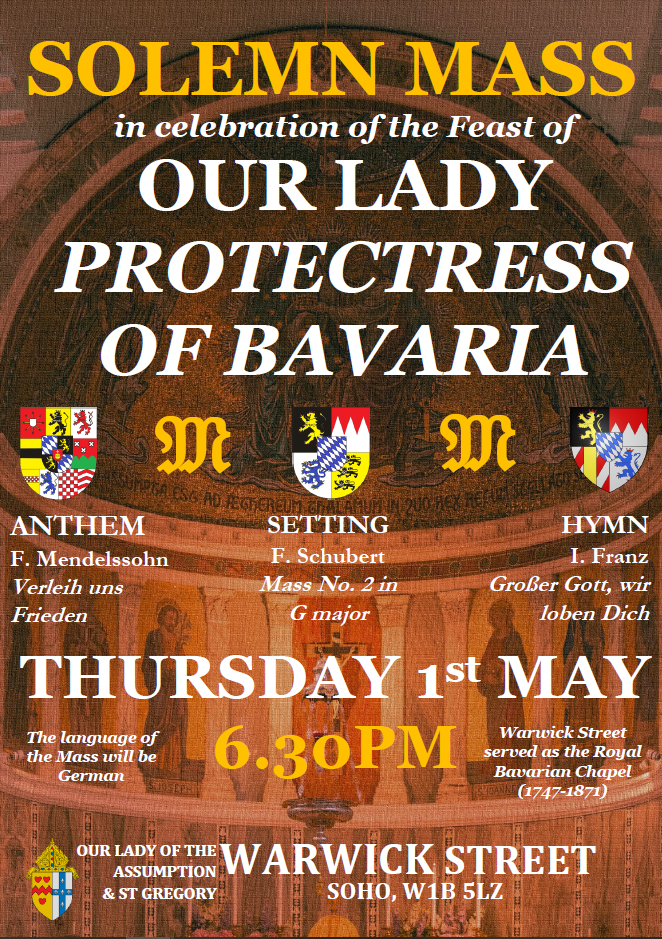
Our Lady, Protectoress of Bavaria
Our Lady, Protectress of Bavaria
including music by Mendelssohn, Schubert, and Franz
Thursday 1 May 2025
6:30pm
Church of Our Lady of the Assumption & Saint Gregory
Warwick Street
Soho, London W1B 5LZ
How to Make a Pope
Argentina is a strange place partly because it is simultaneously so familiar and yet completely different.
It is a world of its own but with deep echoes of the world outside; like someone you instantly recognise as a cousin even though you’re meeting them for the first time.
The world’s most famous Argentine died this week which provoked me to ponder about the country and time that formed him.
From the age of 10 until he was 19, young Jorge Mario Bergoglio lived in Perón’s Argentina.
■ Over at my Substack I wrote a little bit about the early life of the late Pope Francis and his Argentine upbringing. Read it here.
Faithful Shepherd of the Falklands
Monsignor Daniel Spraggon, Apostolic Prefect in Stanley

The anniversary of the Argentine invasion of the Falkland Islands is a time to recall one of the archipelago’s most faithful shepherds: Monsignor Daniel Spraggon, the apostolic prefect of the Falklands, South Georgia, and South Sandwich Islands.
Born in Newcastle in 1912, Daniel’s parents died during his childhood, leaving him to be raised by Daniel and Kitty Anderson who taught him the skills of the butcher’s trade. At the age of 22, Daniel joined the Mill Hill Missionaries and studied throughout the Second World War, finally being ordained on the feast of Sts Peter & Paul in 1945.
The Mill Hill Fathers assigned him to Buea in the British Cameroons (today a component of the Anglophone part of Cameroun) where, in addition to caring for souls, he also raised pigs. Having impressed the local colonial officials, they successfully requested the Mill Hill Fathers assign Spraggon as a military chaplain to the Gold Coast Regiment of the Royal West African Field Force.
When the Gold Coast became the first of Britain’s West African colonies to achieve independence in 1957, Spraggon was retired with the rank of Major and honoured with an MBE. He maintained close and friendly contacts with several Ghanaian Army officers — “good men” in his words — some of whom were later involved in the overthrow of Ghana’s chaotic dictator Kwame Nkrumah in 1966.
To the South Atlantic
After years attending to mission appeals in Great Britain and North America, Father Spraggon was appointed to the Falklands in 1971 with the right of succession to the apostolic prefect Msgr James Ireland, who stood down in 1973. While still only a priest, Msgr Spraggon had all the authority of an ordinary bishop over the Falklands, South Georgia, the South Sandwich Islands, and the British Antarctic Territory.
Spraggon took to his task with vigour, encouraging the farmers to allow their children and farm workers to be educated, particularly when it came to matters of religion. As the Dictionary of Falklands Biography notes:
“Hospital visiting was a daily event even on a Sunday — not only were Catholic families visited but those of other denominations. This also held good on the ecumenical side. Many joint services were conducted in a warm and friendly spirit, though when he had to be firm he was.”
Pigs had been his department in Africa, but in the Falklands Msgr Spraggon turned instead to cattle. As the DFB relates:
“His cutting up of a quarter or half was a joy to behold — and his handling of the carcass showed a robust frame but belied a none too healthy body which he managed to hide so well. Sausages, brawn and soups were also his forte.”
The Argentine airline LADE began regular flights to Port Stanley in 1972, which brought Msgr Spraggon into contact with their officers and staff, by numbers overwhelmingly Catholic in religion.
In conversation, the Monsignor very frankly relayed to the LADE officials that the Islands were British, the Islanders were British, and that they would do everything in their power to remain British while also hoping to be as friendly as possible to their Argentine neighbours.
Invasion
The quiet pastoral life of the Falklands was rudely interrupted on 2 April 1982 when an overwhelming Argentine force invaded and seized the British territory.
The Argentine forces took the capital Port Stanley where the governor of the Falklands, Rex Masterman Hunt CMG, ordered them to depart the islands immediately and return to Argentina. The next day it was announced the invading occupiers were going to remove the Governor from the Falklands, flying him to Argentina where he could then return to London.
Hunt decided to don his full civil uniform — feathery cap and all — and march down the street to reassure islanders that Britain would be back. Spraggon, long since become a good friend to the administrator, ran up to take hold of him to bid farewell — for now.
“The Islanders will need you now more than ever, Monsignor,” Hunt told him. “I know you’ll do your best from them.” Spraggon embraced the Governor: “And I know you’ll be back.”
Sir Rex wrote later in his memoirs that Spraggon “universally liked and respected… was to prove a tower of strength during the occupation”.
Seeing Hunt in his full uniform, the cleric determined there and then that he would wear his full monsignor’s kit for the duration of the occupation — however long it lasted — to keep the Islanders hopes alive.
As prefect apostolic, Msgr Spraggon was not just a clergyman but the representative of the Holy See — a sovereign state in international law — on the Islands.
In his first interaction with the Argentine commanders, Msgr Spraggon echoed the Governor’s advice that they should leave the Falklands immediately, otherwise everyone “even the penguins” would depart.
As it happened, the Monsignor did everything in his power to make sure the Falklanders stayed put and were looked after. He crisscrossed the islands calling in on farmers and families, talking to islanders and calming them with his reassuring presence — again, in his full garb as prelate.
Dealing with the “Argies”
The Argentine military-civilian liaison officer on the island was a Commodore Carlos Bloomer-Reeve — an acquaintance of the Monsignor’s from the Argentine’s previous role with LADE airlines — assisted by Argentine naval captain (later vice admiral) Barry Melbourne Hussey. Spraggon and Bloomer-Reeve’s pre-existing relationship proved useful across the Argentine occupation as the Monsignor often had to advocate on behalf of individual islanders.
The only policeman on the island, PC Anton Livermore, initially tried to make do after the invasion in helping keep some civil order and preventing harm. Major Dowling of the Argentine Army was made the head of civil policing but when Dowling ordered Livermore to arrest a civilian, the constable refused. “They didn’t like that and threatened me, but Monsignor Spraggon sorted that out,” Livermore said. “I have a lot to thank Monsignor for.”
The invading forces were an odd lot. Most — not all — the Argentine officers had a decent reputation for gentlemanly conduct with the Islanders but they often showed an utter contempt for their own enlisted men. In contrast to the well-fed officers, the drafted Argentine enlistees were poorly nourished and sometimes begged or stole food from islanders.
“After the curfew they shot at anything that moved,” Spraggon reported. “They didn’t know one end of the gun from the other.” One evening a nervous conscript opened fire on the Monsignor’s house. Spraggon marched down to Comodoro Bloomer-Reeves’ office first thing the next morning and forced him to come and count the twenty-seven bullet holes in the priest’s house.
Two bullets had breached the lavatory at a potentially lethal angle. “Look at that!” he shouted at the Argentine with his thick Geordie accent. “If I’d been answering the call of nature, you’d now be answering to God!” Years later Spraggon showed Rex Hunt his thick copy of Moral and Pastoral Theology (Volume V) which a bullet had torn through: “They got through it quicker than I did!”
Throughout the occupation, the Monsignor never lost his confidence in an eventual British victory. He sensed that — once the British naval task force had been assembled — the Argentines on the island also suspected they would lose.
Mass continued to be offered in the Catholic church to mixed congregations of Islanders and occupiers. The Sunday following the Queen’s Birthday included a particularly lusty rendition of God Save the Queen, to the sheepish embarrassment of the Argentines.
Liberation and Life
When it came, the day of liberation was a source of great joy. The Islands’ old governor — and the Monsignor’s good friend — Sir Rex Hunt was flown back in triumph.
In his memoirs he recalls returning to Stanley:
“The two victorious commanders, Sandy Woodward and Jeremy Moore, welcomed me back but, before I could take the General Salute, I was engulfed by the crowd. Normally not renowned for displaying emotions, even the miserable weather couldn’t dampen their spirits. In that sea of faces I saw Syd and Betty Miller, crying this time from joy, not sorrow, and Monsignor Spraggon, in all his finery still and beaming goodwill and happiness.”
The Governor and the Prelate — Rex and Daniel — both stayed on in their roles following the liberation. There were many dead bodies scattered across the islands to deal with, and the Argentine government at that time refused to repatriate their own war dead.
The Falklands authorities decided to dedicate a plot of land for the enemy dead, consecrated by Monsignor Spraggon — saddened that so many lives had been lost so uselessly. “We looked after the poor buggers a lot better dead than their officers did alive,” he said.
For his efforts during the occupation, Monsignor Spraggon was awarded an OBE which he travelled to Buckingham Palace to receive in 1983.
The priest was no longer young, and the bad luck of an aneurysm saw him detained in the Islands’ King Edward Memorial Hospital on the fateful evening in April 1984 that a serious fire erupted.
With such a small population, in Stanley a fire is a matter of all-hands-on-deck — even the Governor. Again Sir Rex Hunt’s memoirs relay the scene:
When I got back to the west entrance, someone said that all the patients were out of the hospital and safely accounted for, but over in the nurses’ block they told me that this was not so – Monsignor was still inside, and Teresa and her baby, and perhaps others.
I dashed back to the west entrance and tried to make my way through the smoke to Monsignor’s room, but after a few yards I was coughing and spluttering and realised that, without breathing apparatus, it was hopeless. I returned to the door and waited anxiously, feeling utterly frustrated and helpless.
Suddenly figures emerged from the smoke wearing breathing apparatus and carrying a body. ‘It’s Barbara Chick’, said one, in a voice which I recognised as Marvin’s. ‘She’s dead, but there are more in there.’ They put her down in the entrance and went back into the smoke.
I tried to lift her, but she was too heavy for me. Helping hands appeared and we managed to lay her to one side of the main entrance. Apart from a blackened face, she was unharmed and indeed looked quite serene.
Out of the gloom for the second time loomed three figures, carrying another body. ‘It’s the Monsignor’, said Marvin, ‘He’s still alive.’ Four of us took him from the firemen and, as we did so, he groaned. It was music to my ears.
As we carried him across to the nurses’ quarters, his pyjama trousers slipped and I found myself holding him by one leg and a bare bottom. Alison was in the nurses’ quarters and quickly put him on oxygen. His face was absolutely black, but he was breathing.
As the life-giving oxygen filled his lungs, his eyes opened and he recognised me through the oxygen mask. Kneeling beside him, I said ‘Well, Daniel, I never thought I’d hold a Monsignor by the right buttock!’ His eyes twinkled and I knew that he was going to be all right.
Hunt had feared the Islands would lose their beloved Monsignor, but he was still going strong later that year.
On the evening of Christmas Day 1984, Hunt had Spraggon round for a glass, sitting by the peat fire in the small drawing room of Government House.
They discussed how long they might each continue in post. “I want to stay until you go,” the Prelate told the Governor, “and then I’ll go”.
The End
Spraggon made it to his friend’s final convening of the Executive Council of the colony in September 1985. He promised to see the Governor off before he left the Islands for good, scheduled for some weeks time.
Ten days later, the Governor returned to his office following his normal weekly briefing with HQ British Forces Falkland Islands when Father Monaghan, the Monsignor’s assistant, arrived “so overwrought that he could barely speak”.
Monsignor Spraggon had suffered a burst aorta and died just minutes earlier.
The Governor’s wife took Father Monaghan through to the drawing room while Sir Rex used the new satellite telephone link to ring through to the headquarters of the Mill Hill Fathers in London.
“I got through to the Superior General, Bishop de Wit, immediately,” Hunt wrote. “He promised to tell Daniel’s family and without a moment’s hesitation said that he would come down for the funeral. He caught the first available aircraft and arrived in my office with Daniel’s nephew, Edward Spraggon, six days later.”
On 3 October 1985, the six-foot-seven-inch-tall Dutch bishop presided at the funeral, speaking good English “in a deep resonant voice that seemed to come all the way up from his boots”.
Staying at the bullet-ridden priest’s house and looking out onto the ships in the harbour, the bishop spotted the name of HMS Endurance and chose this as the theme of his funeral oration, reflecting on this characteristic of the Monsignor’s life.
The Governor and the Bishop escorted Sproggan from the church to his final resting place in Stanley’s cemetery, where Sir Rex Hunt bid his friend farewell for the final time.
“For once the wind was not blowing on that bleak hillside,” Hunt reported, “and all was calm and serene.”
Monsignor Daniel Martin Spraggon MHM — requiescat in pace.
In thanksgiving for the lives and struggles of all clerics who have faithfully guided and guarded their flocks in difficult circumstances throughout the centuries.
Crux Alba Journal Launch
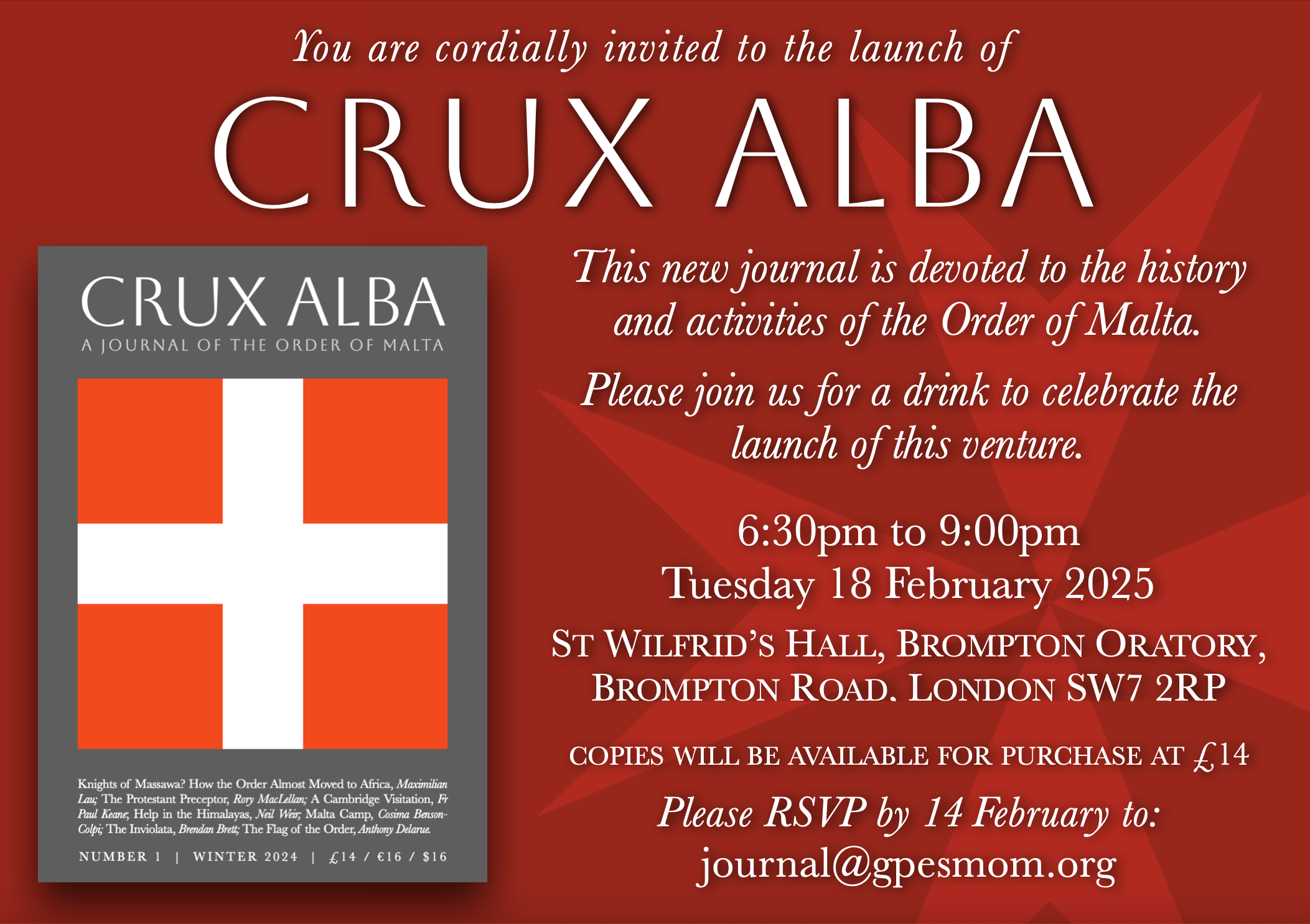
You are cordially invited to the launch of
This new journal is devoted to
the history and activities of the Order of Malta.
Please join us for a drink to celebrate the launch of this venture.
6:30pm to 9:00pm
Tuesday 18 February 2025
St Wilfrid’s Hall, Brompton Oratory, Brompton Road, London SW7 2RP
Copies will be available for purchase at £14
Please RSVP by 14 February to:
journal@gpesmom.org
Please share this invitation with others who might be interested in attending.
See also the Crux Alba website, Instagram, and Twitter.
Make Merry in thy Festival

I nipped over to Civitas in Tufton Street yesterday for the launch of Esmé Partridge’s report Restoring the Value of Parishes: The foundations of welfare, community, and spiritual belonging in England.
She has produced a succinct and well-researched overview of the crisis facing Church of England parishes not just in rural areas but in our towns and cities too.
The discussion following had strong contributions from Danny Kruger MP, Imogen Sinclair, the Rev’d Marcus Walker of Great St Bart’s, Rebecca Chapman who sits on the Anglican Church’s General Synod, Eddie Tulasiewicz of the National Churches Trust, Bijan Omrani, and more.
As a devotee of England’s cult of the saints, what interested me particularly was the contribution from Rupert Sheldrake of the Choral Evensong Trust.
 He explained that the CET was doing its bit for parish churches by creating a Patronal Festival Grants scheme to encourage more churches to celebrate the feast of their patron saint or dedication.
Grants of up to £500 are available to provide for choral evensong sung by a visiting choir and – deeply important – a party afterwards at which food and drink are free to those gathering.
“For example,” the Trust informs us, “at St Michael and All Angels in Dinder, near Wells, over ninety people attended a choral evensong on Michaelmas, sung by the Wells Cathedral Chamber Choir. The church was filled to capacity, with many attendees participating in church activities for the first time.”
This is a genius scheme for encouraging greater devotion to the saints as well as more frequent use of now sadly often shut C-of-E parish churches.
As it says in Deuteronomy, “thou shalt make merry in thy festival time, thou, thy son, and thy daughter, thy manservant, and thy maidservant, the Levite also and the stranger, and the fatherless and the widow that are within thy gates.”
More information on the CET’s 2025 Patronal Festival Grants can be found here and the deadline for next year’s applications is Candlemas (2 February 2025).
That evening I was a guest at high table in an Oxford college which is exhibiting signs of health and societal repair.
A few years ago, the head of house disregarded the strident protests of the students and banished the college grace as well as all dress codes for dining. (To the gratitude of many, she did not last long.)
After this unwelcome interruption, the college grace before meals has now been restored (in Latin), in addition to the return of formal meals with gowns (and, on Sundays, black tie).
In some place, where you let it and protect it, nature is healing.
Meanwhile, below, some beautiful music for Advent from my own parish church, St George’s Cathedral in Southwark.
This beautiful performance of Veni, Veni, Emmanuel by Malakai from St George’s Cathedral Choirs, performed at St George's Cathedral is a reminder that Jesus is God with us who witnessed to the love of the Father by dwelling among us.@StGeorgesCath @StGeorgesChoirs pic.twitter.com/L8VY31FmNA
— Archdiocese of Southwark (@RC_Southwark) December 5, 2024
Israel’s Hebrew-speaking Catholics

In Jerusalem I had the privilege of interviewing Fr Piotr Zelazko, the Polish priest who heads the Saint James Vicariate for Hebrew-Speaking Catholics.
The  community he looks after is a fascinating one and adds even more complexity to the rich tapestry of Christianity in the Holy Land.
The article is now up in its full form at the Catholic Herald online — including comments from Cardinal Pizzaballa, the Latin Patriarch of Jerusalem — and a slightly shorter version appears in July’s summer issue of the magazine.
(My contribution to their summer books list is also in the July issue.)

Music, the Hospitallers, and the Tudors

This will take place in the Chapter Room of the Grand Priory of England at 7.00 pm on Thursday 18 July 2024.
All are welcome, and a voluntary contribution of £10 will be collected.
‘Knights of Massawa?’ Lecture
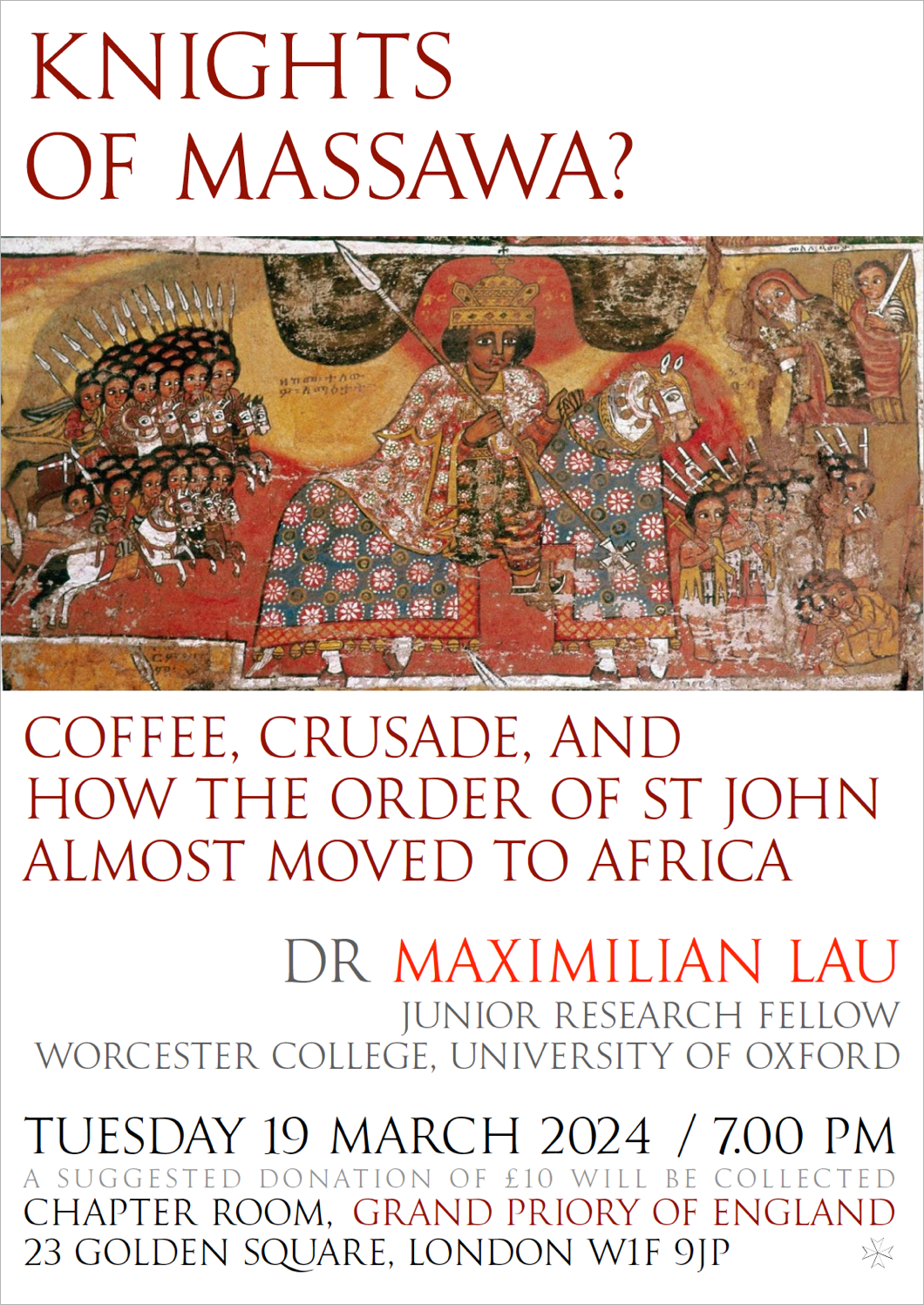
This will take place in the Chapter Room of the Grand Priory of England at 7.00 pm on Tuesday 19 March 2024.
All are welcome, and a voluntary contribution of £10 will be collected.
St Mary Overie in Lent
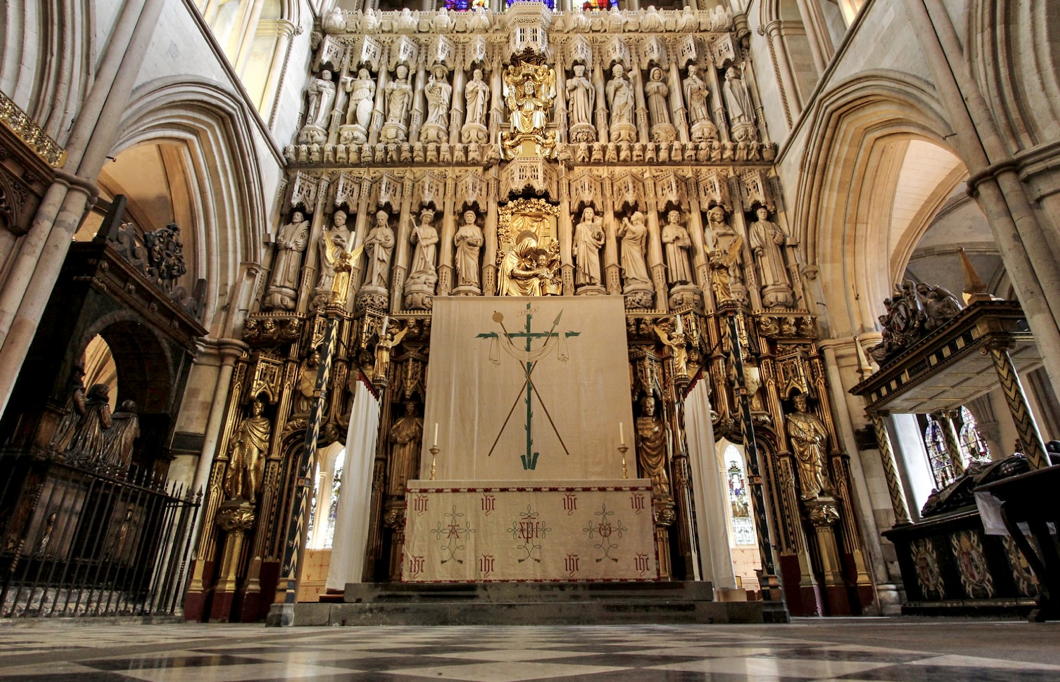
Here in Southwark I nipped in to Evensong in the late twilight of a winter’s day. They do it very beautifully with a full choir at the Protestant cathedral — old Southwark Priory or St Mary Overie to us Catholics, St Saviour’s to our separated brethren.
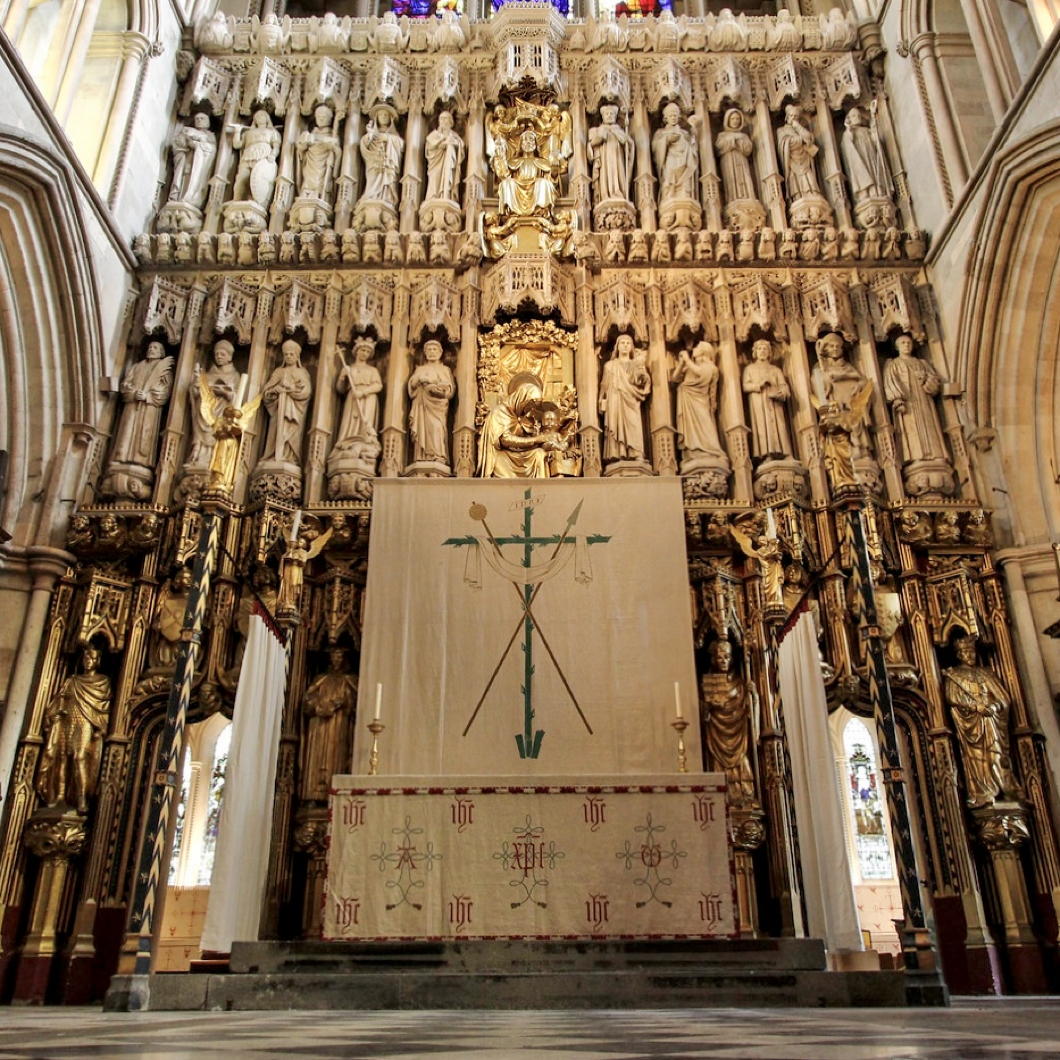
As it is the penitential season, the Lenten Array is up at Southwark Cathedral, theirs apparently designed by Sir Ninian Comper.
What is a Lenten Array? Sed Angli writes on the Lenten Array in general while Dr Allan Barton has written on Southwark Cathedral’s Lenten Array specifically.
And of course our friend the Rev Fr John Osman has one of the most beautiful Lenten Arrays at his extraordinary Catholic parish of St Birinus — a stunning church previously mentioned.
(The photograph of our local array is from Fr Lawrence Lew O.P.)
Die kleine dorpie Betlehem
JA JA JA, ons onthou: die Amerikaanse Episcopaalse biskop Phillips Brooks was nie ’n bolwerk van ortodoksie nie. Hy het die ryk van gevoel bo die waarheid verhef, maar nie noodwendig teen die waarheid nie — hulle het in die negentiende eeu nog ’n bietjie politesse gehad.
Soos R.R. Reno geskryf het: Brooks “het geen moeilike teologiese kwessies gedink of enige nuwe intellektuele grond gebreek nie.” In Nieu-Engeland was hy “heeltemal afgeleide en uiters invloedryk”.
Reg genoeg… en vandag leef ons in Brooks se nawêreld. Maar hy het ’n klein geskenk aan die wêreld gegee, en sy klein geskenkie was ’n lofsang — ’n Kersfees liedtjie.
Die wysie wat in Amerika gebruik word, is sakkarien. Maar die Britse een — “Forest Green” — is melodieus en goed. (’n Video hieronder, en Engels, gesing deur die koor van St George’s in Windsor-kasteel.)
lê rustig daardie nag,
terwyl dié wonderwerk gebeur
waarvoor die wêreld wag.
verskyn ’n nuwe dag
vir almal wat in nood verkeer
en op sy redding wag.
Toe God se Seun gebore is,
was daar geen plek vir Hom;
so word ’n donker dierestal
’n helder heiligdom.
verskyn ’n Koningster,
wat ewig lig en vrede straal
na mense wyd en ver.
O Koningskind daar in die krip,
U kom hier by ons woon.
Net U versoen ons sondeskuld
en maak ons lewe skoon.
want U kom ons herstel.
O Vredekoning, God met ons,
U is Immanuel.
Articles of Note: 6 January 2024
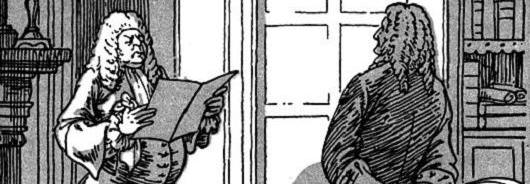
■ I had the great privilege of studying French Algeria under the knowledgeable and congenial Dr Stephen Tyre of St Andrews University and the country continues to exude an interest. The Algerian detective novelist Yasmina Khadra — nom de plume of the army officer Mohammed Moulessehoul — has attracted notice in Angledom since being translated from the Gallic into our vulgar tongue.
Recently the columnist Matthew Parris visited Algeria for leisurely purposes and reports on the experience.
■ While you’re at the Spectator, of course by now you should have already studied my lament for the excessive strength of widely available beers — provoked by the news that Sam Smith’s Brewery have increased the alcohol level of their trusty and reliable Alpine Lager.
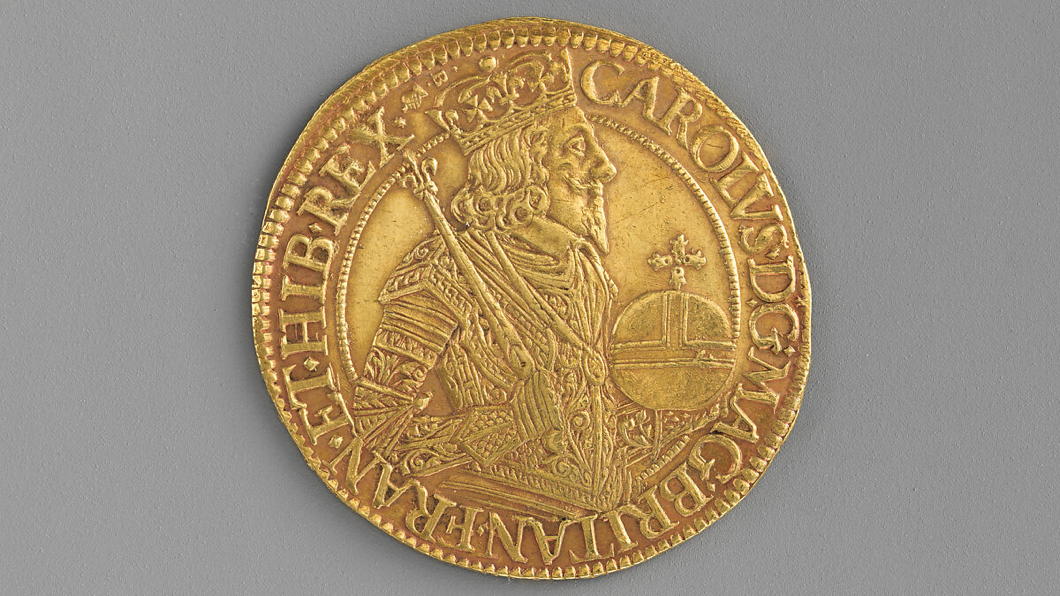
■ This week Elijah Granet of the Legal Style Blog shared this numismatic gem. It makes one realise quite how dull our coin designs are these days. I don’t see why we shouldn’t have an updated version of this for our currently reigning Charles.
■ Meanwhile Chris Akers of Investors Chronicle and the Financial Times has gone on retreat to Scotland’s ancient abbey of Pluscarden and written up the experience for the FT. As he settled into the monastic rhythm, Chris found he was unwinding more than he ever has on any tropical beach.
Pluscarden is Britain’s only monastic community now in its original abbey, the building having been preserved — albeit greatly damaged until it was restarted in 1948. The older Buckfast is also on its original site but was entirely razed by 1800 or so and rebuilt from the 1900s onwards. (Pluscarden also has an excellent monastic shop.)
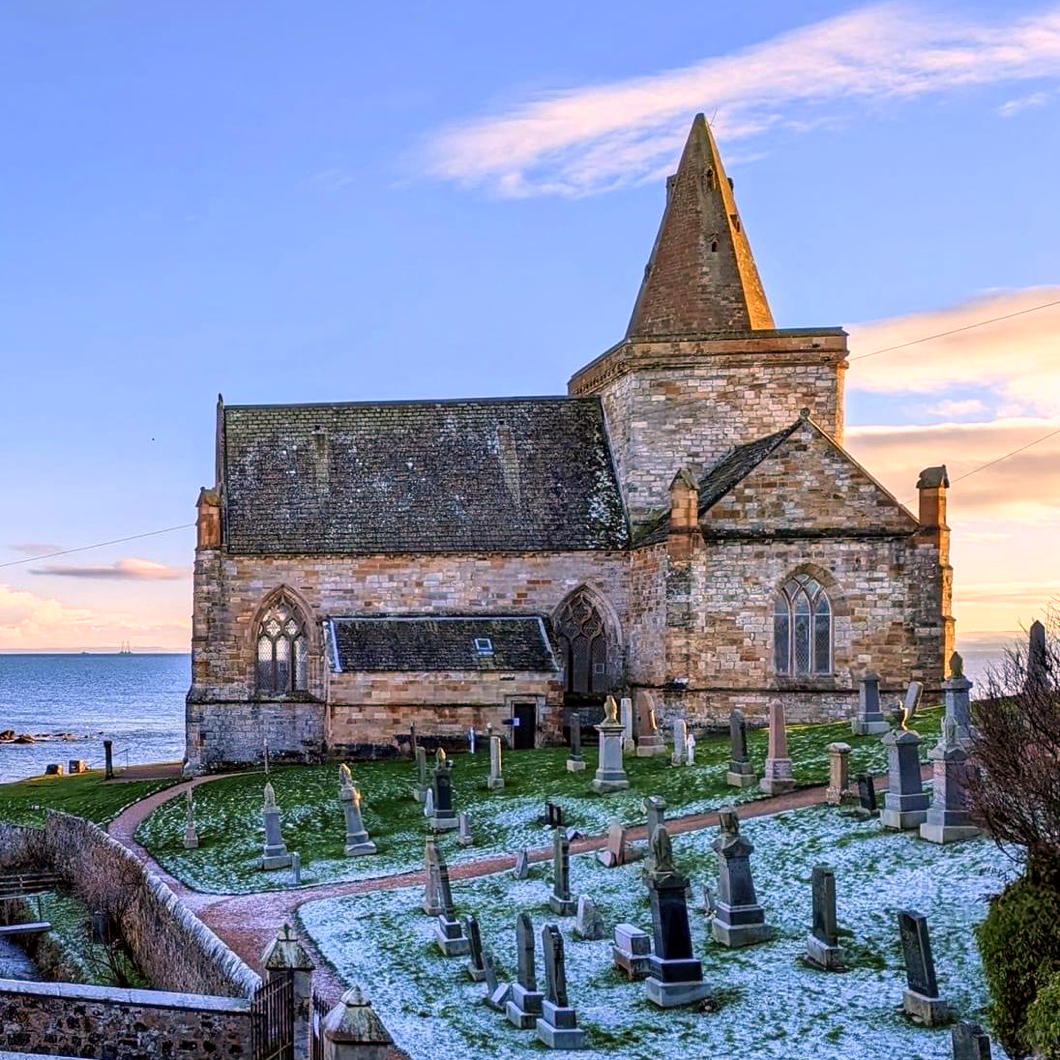
■ An entirely different and more disappointing form of retreat in Scottish religion is the (Presbyterian) state kirk’s decision to withdraw from tons of their smaller churches. St Monans is one of the mediæval gems of Fife, overlooking the harbour of the eponymous saint’s village since the fourteenth century, and built on the site of an earlier place of worship.
Cllr Sean Dillon pointed out the East Neuk is to lose six churches — some of which have been in the Kirk’s hands since they were confiscated at the Reformation, including St Monans.
John Lloyd, also of the FT, reported on this last summer and spoke to my old church history tutor, the Rev Dr Ian C. Bradley. More on the closures in the Courier and Fife Today.
What a dream it would be for a charitable trust to buy St Monans and to restore it to its appearance circa 1500 or so, available as a place of worship and as a living demonstration of Scotland’s rich and polychromatic culture that was so tragically destroyed in the sixteenth century. You could open with a Carver Mass conducted by Sir James MacMillan.
■ And finally, on the last day of MMXXIII, the architect Conor Lynch reports in from Connemara with this scene of idyllic bliss:

Regnum, Ecclesia, Studium
The threefold division of the world
As such he might be expected to have ideas about the idea of a university, and he wrote about them in The Spectator in August 1983.
Mister Grimond (as he still was then, only just), suggested those interested in the subject “might turn to a lecture by Ronald Cant, sometime Reader in Scottish History in the University of St Andrews”:
[…]
A vital aspect of this tripartite organisation, as Cant says, was that each should serve and support the other. But the studium, while interacting with the regnum and ecclesia, must maintain its independence.
It was certainly the business of the studium to advance knowledge, but that was not to be the end of the matter. Knowledge was linked to public service. The learned man had a duty to the community as well as a right to pursue his intellectual quarry. In fact he pursued the quarry on behalf of the community.
The tripartite division of the world, although old-fashioned, seems to me a useful concept, emphasising that government, morality, and higher education are separate but intertwined.
It seems to me that if we expel the regnum and the ecclesia utterly from the world of the university we shall end up paradoxically with universities totally dependent upon the state… but as subservient as those in Rome.
The liberal spirit gave birth and sustenance to universities; if its progeny does not foster it in the regnum they may indeed end up as purely vocational colleges.
Crisis Averted at Chartres
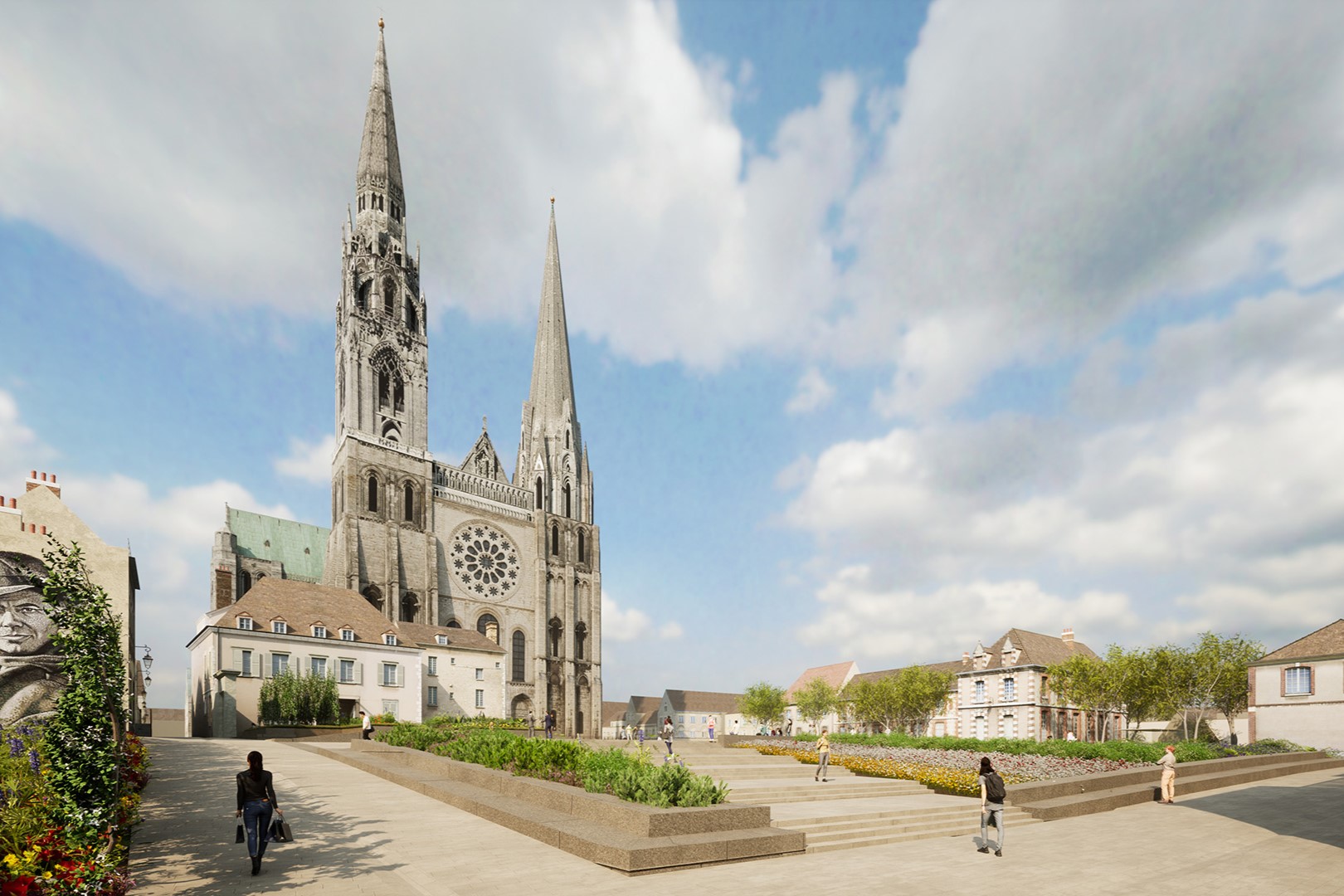
The rather garish and invasive plans to renovate the parvis of Chartres cathedral, turn it upside down, and install a museum underneath — previously reported on here in 2019 — have been radically revised in an infinitely less offensive direction.
The City of Chartres has released the final approved designs which show the esplanade of the cathedral renovated but left largely in place.
Instead of the original plan up reversing the grade of the parvis upwards away from the cathedral, the entire museum will be kept underground and out of sight. (more…)
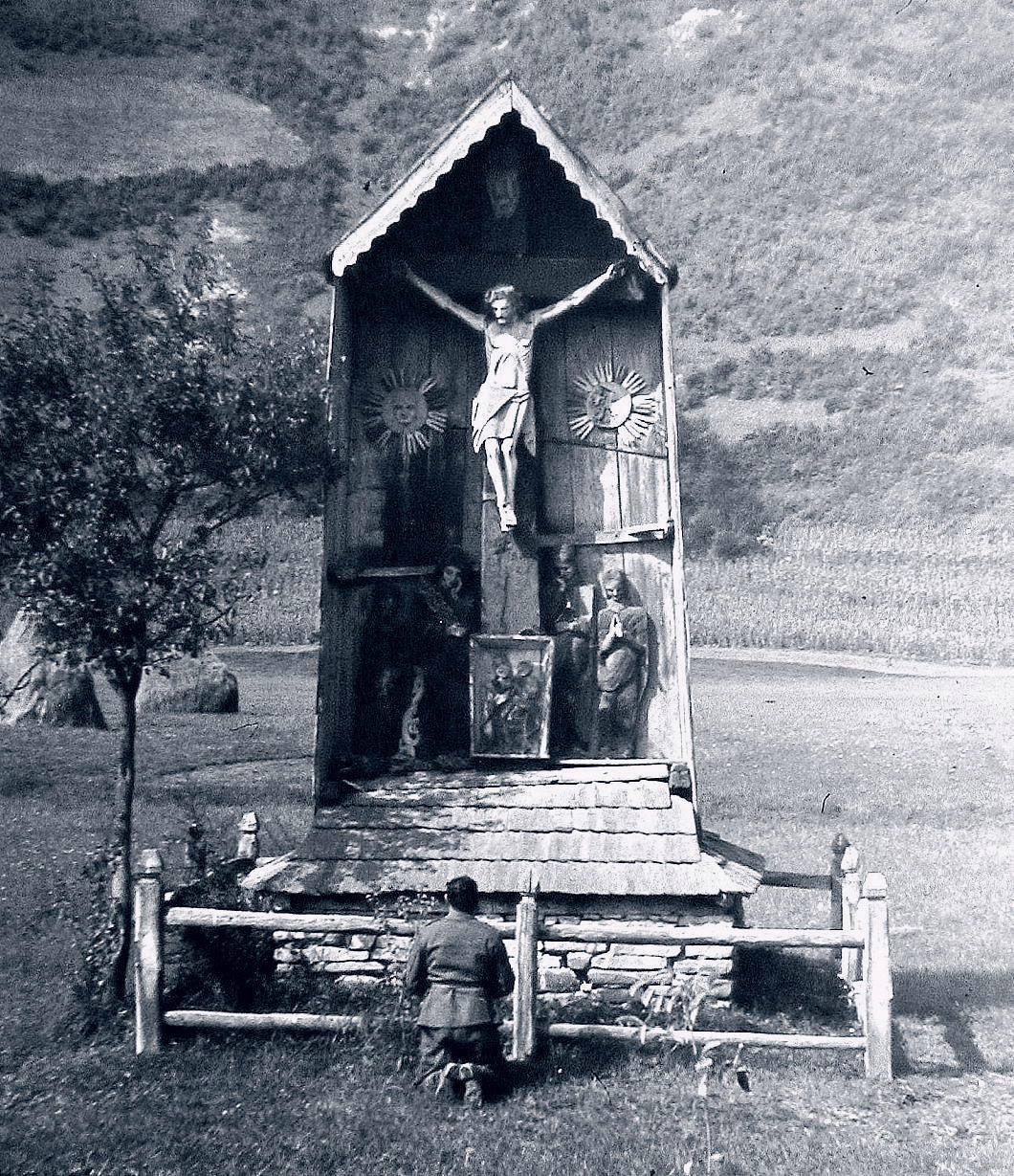


The Ukrainians’ Secret Weapon
For those looking for an explanation as to the notable success of the Ukrainians on the battlefield in the current unpleasantness taking place in their country, look no further.
In a thread of tweets, the biblophile Incunabula reveals the Ukraine’s secret weapon: the Peresopnytsia Gospels (Пересопницьке Євангеліє).
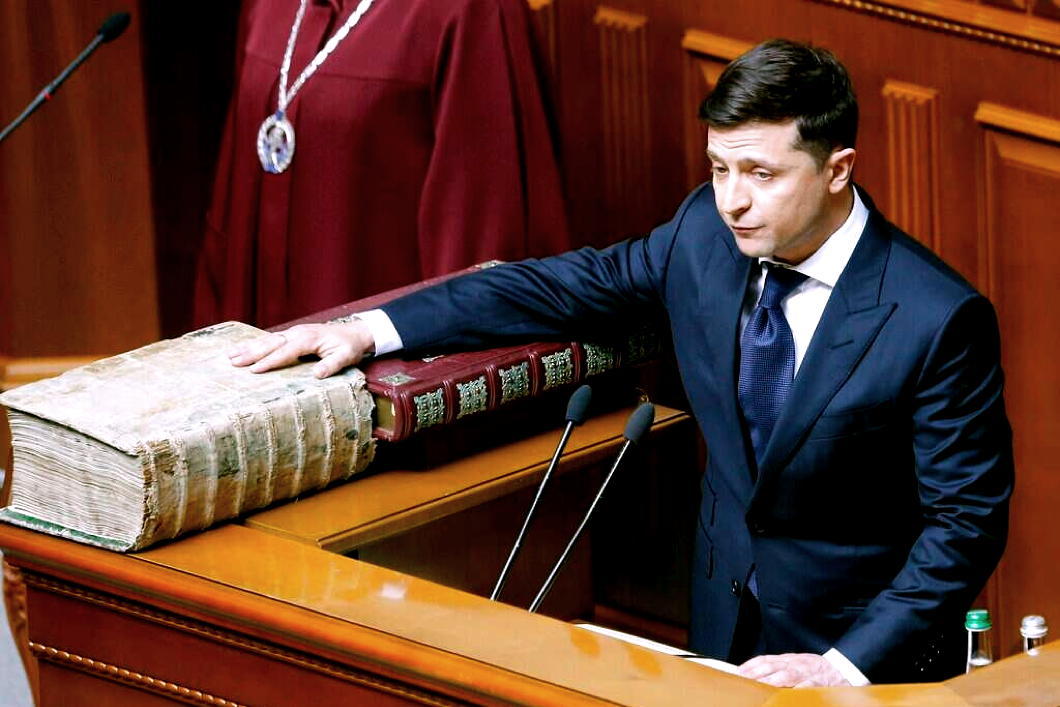
“All six Ukrainian Presidents since 1991,” Incunabula writes, “including Volodymyr Zelensky, have taken the oath of office on this book: the sixteenth-century Peresopnytsia Gospels, one of the most remarkably illuminated of all surviving East Slavic manuscripts.”
“The Peresopnytsia Gospels were written between 15 August 1556 and 29 August 1561, at the Monastery of the Holy Trinity in Iziaslav, and the Monastery of the Mother of God in Peresopnytsia, Volyn.”
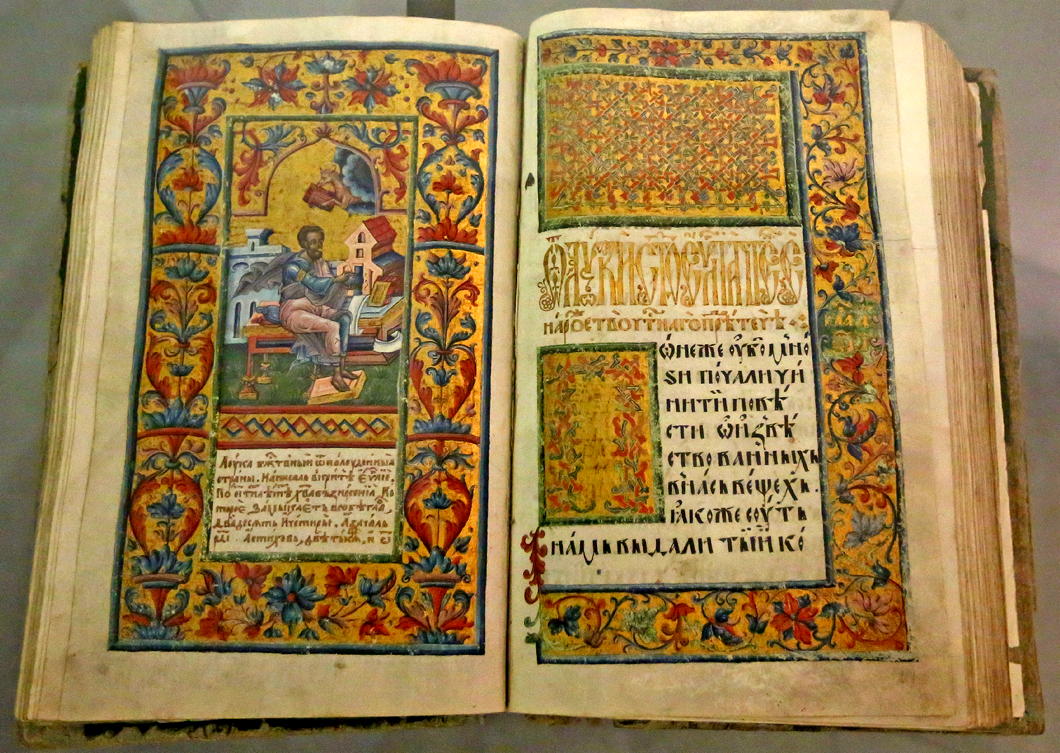
“This manuscript is the earliest complete surviving example of a vernacular Old Ukrainian translation of the Gospels. Its richly ornamented miniatures belong to the very highest achievements of the artistic tradition of the Ukrainian and Eastern Slavonic icon school.”
“The Peresopnytsya Gospels were commissioned in 1556 by Princess Nastacia Yuriyivna Zheslavska-Holshanska of Volyn, and her daughter and her son-in-law, Yevdokiya and Ivan Fedorovych Czartoryski. After its completion the book was kept in the Peresopnytsya Monastery.” (more…)
Special Mission to Rome
RELATIONS BETWEEN THE Court of St James’s and the Holy See have evolved in the many centuries since the Henrician usurpation. At times, such as during the Napoleonic unpleasantness, the interests of London and the Vatican were very closely aligned — despite the lack of full formal diplomatic relations. Later in the nineteenth century Lord Odo Russell was assigned to the British legation in Florence but resided at Rome as an unofficial envoy to the Pope.
It wasn’t until 1914 that the United Kingdom sent a formal mission to the Vatican, but this was a unique and un-reciprocated diplomatic endeavour — a full exchange of ambassadors would have to wait until 1982. (Until then, the Pope was represented in London only by an apostolic delegate to the country’s Catholic hierarchy rather than any representative to the Crown and its Government.)
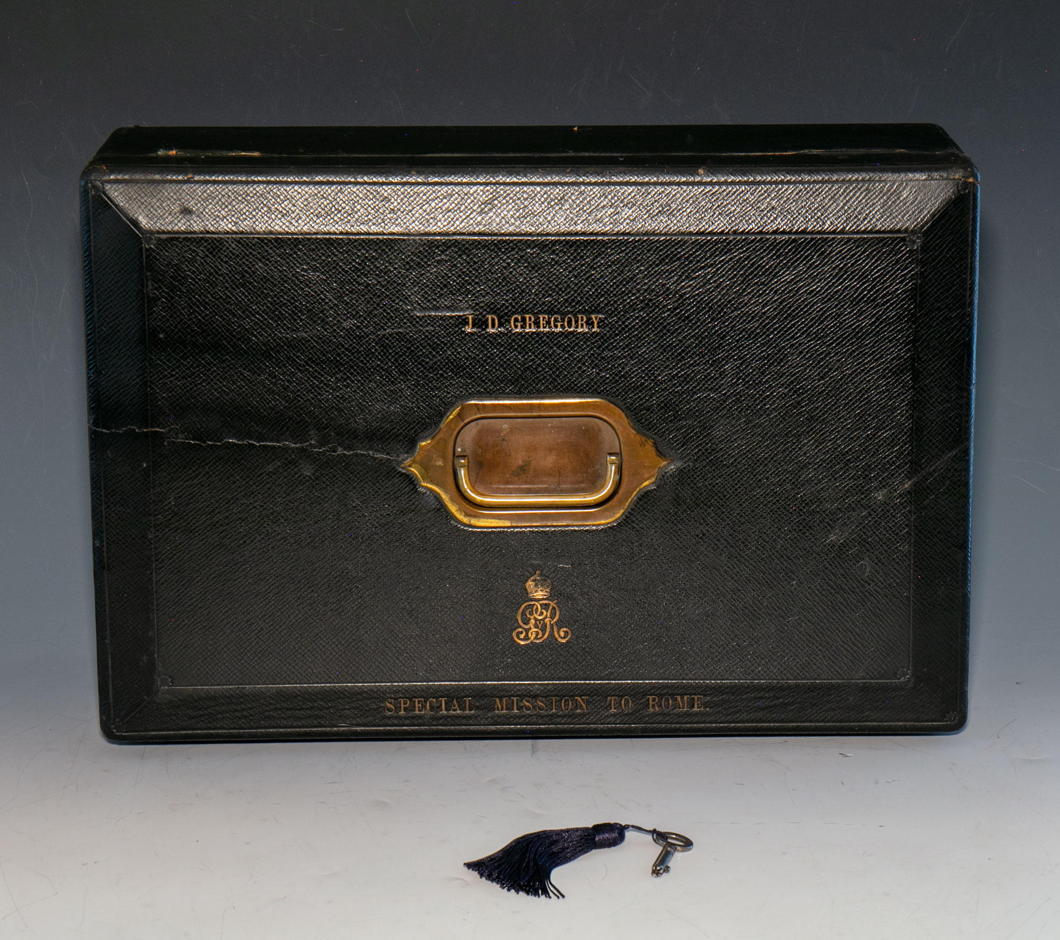
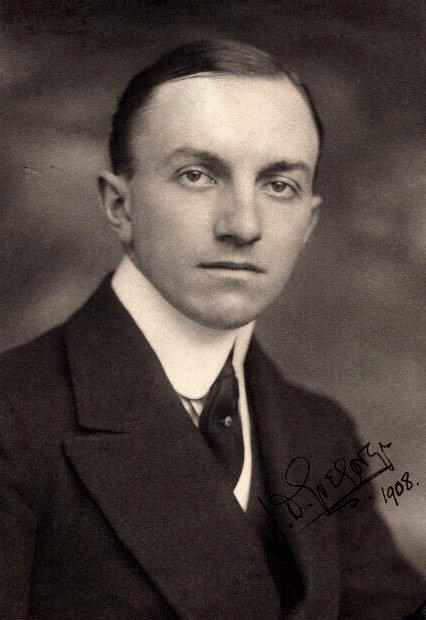 Within a year of the Special Mission to Rome being established, John Duncan Gregory (later appointed CB and CMG) was assigned to it. A diplomat since 1902 who had previously worked in Vienna and Bucharest, he was one of the central figures in the curious ‘Francs Affair’ of 1928, when two British diplomats were believed to have unduly abused their positions to speculate in currency. Despite being cleared of illegality, J.D. Gregory was dismissed from his diplomatic posting — though he was later rehabilitated.
If there are any enthusiasts of the curious subcategory of accoutrement known as the despatch box, J.D. Gregory’s one dating from his time in Rome is currently up for sale from the antiques dealer Gerald Mathias.
It was manufactured by John Peck & Son of Nelson Square, Blackfriars, Southwark — not very far at all from me as it happens. (more…)
Search
Instagram: @andcusack
Click here for my Instagram photos.Most Recent Posts
- Brunel’s Unbuilt Capitol February 3, 2026
- Cricket at Fordham January 27, 2026
- Palacio Barolo Revisted January 14, 2026
- Learning to Love Liguria January 14, 2026
- Crux Alba No. 2 January 13, 2026
Most Recent Comments
Book Wishlist
Monthly Archives
Categories