United States
About Andrew Cusack
 Writer, web designer, etc.; born in New York; educated in Argentina, Scotland, and South Africa; now based in London.
 read more
News
Blogs
Reviews & Periodicals
Arts & Design
World
France
Mitteleuropa
Knickerbockers
Argentina
The Levant
Africa
Cape of Good Hope
Netherlands
Scandinavia
Québec
India
Muscovy
Germany
Academica
The Long Homecoming of Eliza Monroe
A presidential daughter is reunited with her parents
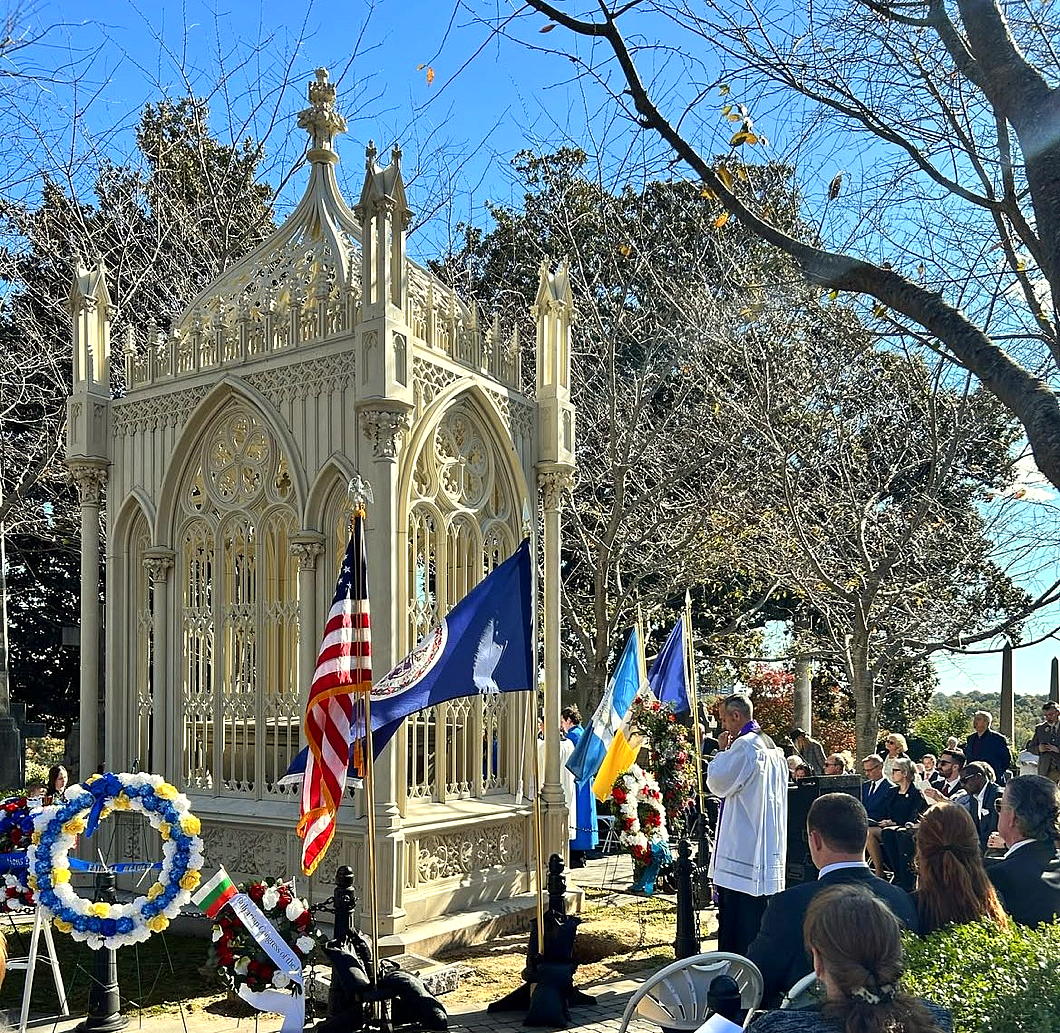
Nearly one hundred and eighty-five years after her death in Paris, the mortal remains of Eliza Monroe Hay — daughter of the fifth President of the United States — have been laid to rest in Richmond, Virginia. Her reburial beside her parents President James Monroe and First Lady Elizabeth Monroe marks the end of a long and curious chapter in the history of this illustrious American family.
The return of Eliza’s remains was the work of Barbara VornDick, a retired Virginia educator who spent more than a decade tracing Monroe descendants, searching archives and navigating French and American bureaucracy.
Working with the U.S. Embassy in Paris and the Diocese of Richmond, VornDick secured the exhumation and transport of Eliza’s remains from an unmarked Parisian grave to the family plot.
The Holy Sacrifice of the Mass was offered for the repose of Eliza Monroe Hay’s soul at the Cathedral of the Sacred Heart before the re-interment in Hollywood Cemetery on 23 October 2025.
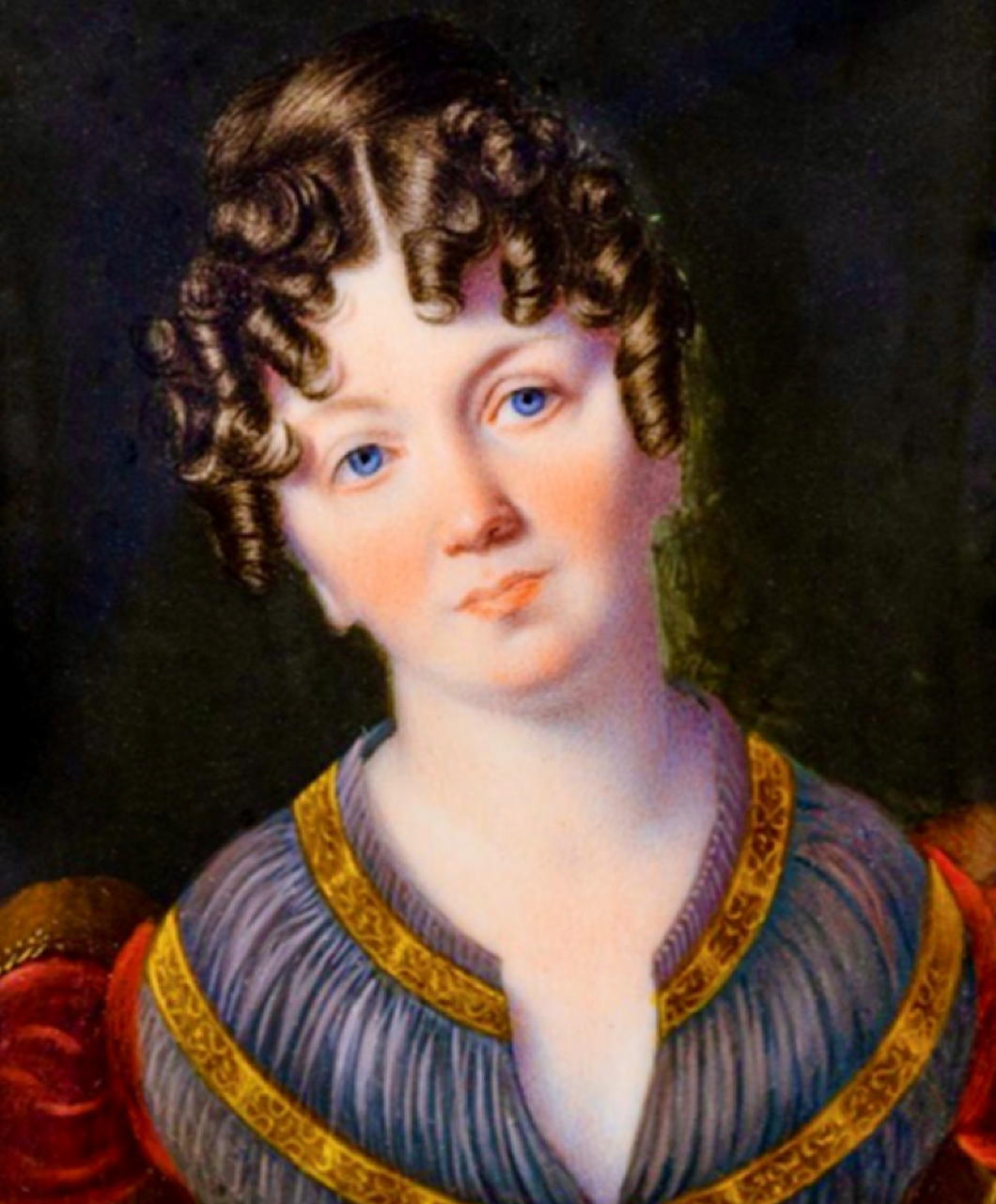
Born in Fredericksburg in 1786, Eliza Kortright Monroe grew up between Virginia and revolutionary France, where her father served as U.S. minister (as ambassadors were generally called then). A great part of her education took place in Paris where became accustomed to the courtly formality of Europe. Among the friends she made was Hortense de Beauharnais, stepdaughter of Napoleon and eventually queen consort of Holland as the wife of Lodewijk I (Luigi Buonaparte), the Emperor’s younger brother.
When James Monroe became president in 1817, her mother’s poor health led Eliza to assume many of the social duties expected of the chatelaine of the White House. Later commentators sometimes judged her reserved manner harshly, but it reflected both her upbringing and her experience of diplomacy.
In 1808 Eliza married George Hay, a Virginia lawyer best known as the U.S. Attorney who prosecuted Aaron Burr in his trial for treason before Chief Justice John Marshall the previous year. They had one daughter who was christened Hortensia after the mother’s childhood friend who acted as godmother. Hay died in 1830, followed within a year by Eliza’s mother and father.
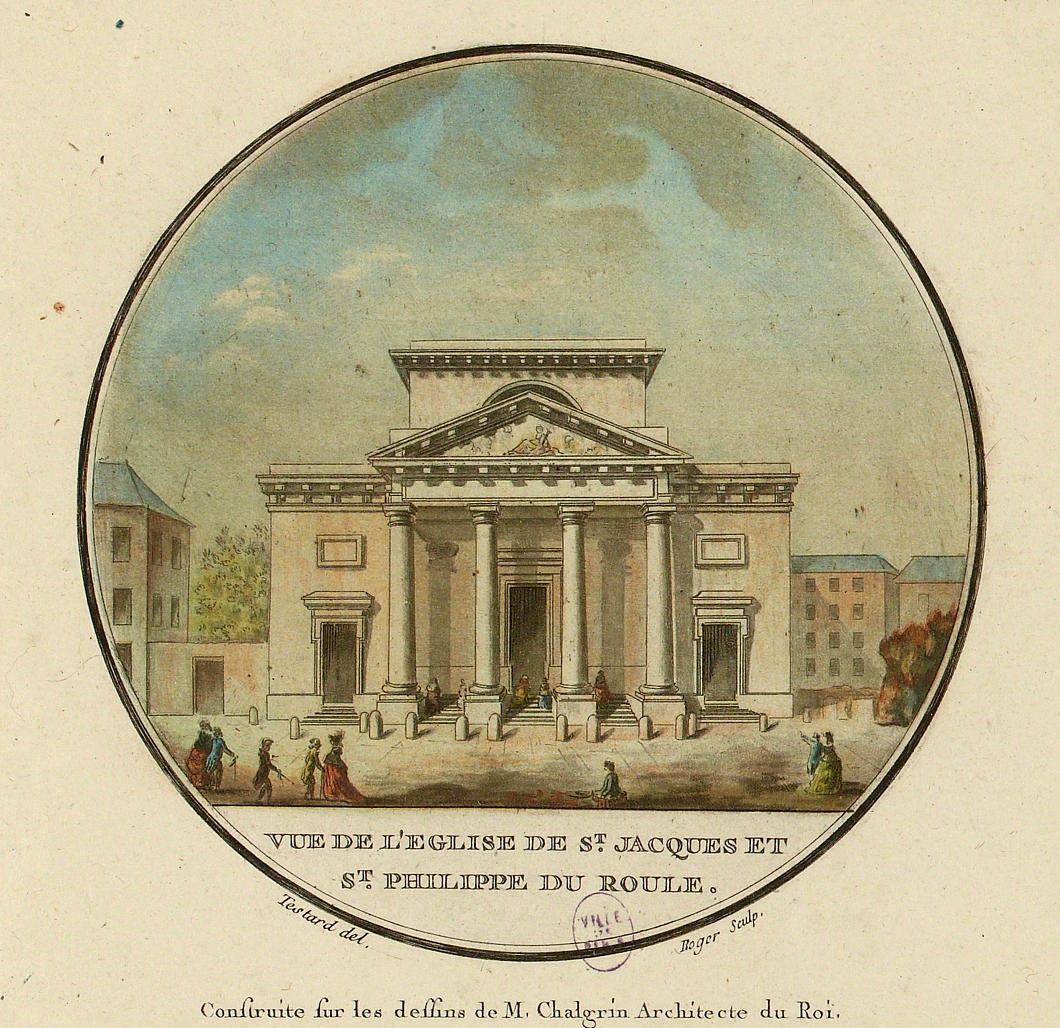
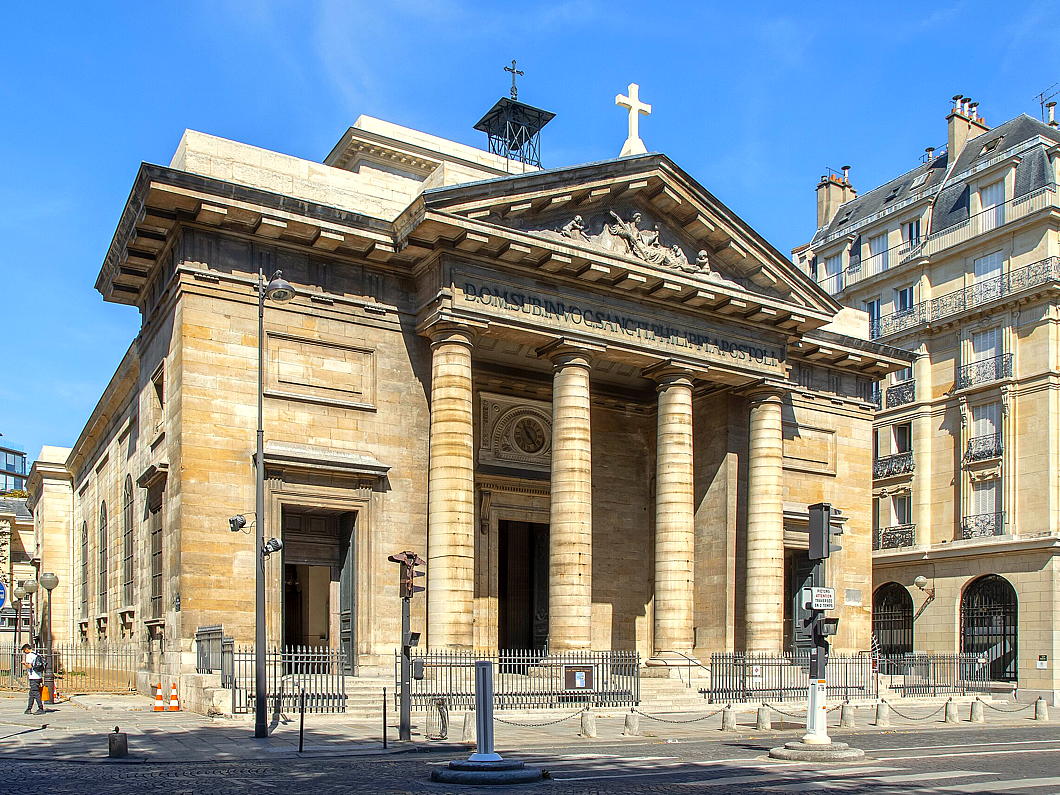
Widowed, grieving, and facing financial difficulty, Eliza returned to Paris, where Louis-Philippe had usurped the throne. Back in the French capital, Eliza embraced the Catholic faith and was received into full communion with the Church. Records identify her as a member of the parish of St-Philippe-du-Roule in the Faubourg Saint-Honoré. In 1833, she went on pilgrimage to Rome where she received a cameo depicting the head of Christ from Gregory XVI’s secretary of state.
Eliza’s final years in Paris were not entirely happy ones. A family member had deprived her of what she thought was her inheritance and she persevered in a state of penury with few possessions. Eliza Monroe Hay died in 1840, with a funeral Mass offered in her parish church and her unmarked grave purchased by the American consul, Daniel Brent.

The unmarked grave of Eliza Monroe Hay.
Her memory faded, surviving mainly in family lore. The rediscovery of her letters and her reburial in Virginia have brought her back into view: a woman of faith and dignity, wronged in inheritance, isolated by loss, and now restored to her place among her own thanks to VornDick’s efforts and to her biography Eliza’s True Story: The First Biography of President Monroe’s Eldest Daughter.
For generations a family tradition held that Eliza entered a convent after her conversion. That story appears in some older biographical sketches and even in occasional press references. Recent research — especially VornDick’s examination of Eliza’s correspondence in the archives of the College of William & Mary — has found no documentary evidence that she ever took vows or joined a religious order. The legend of the nun in Paris may have arisen from confusion between her Catholic piety and the religious circles she frequented.
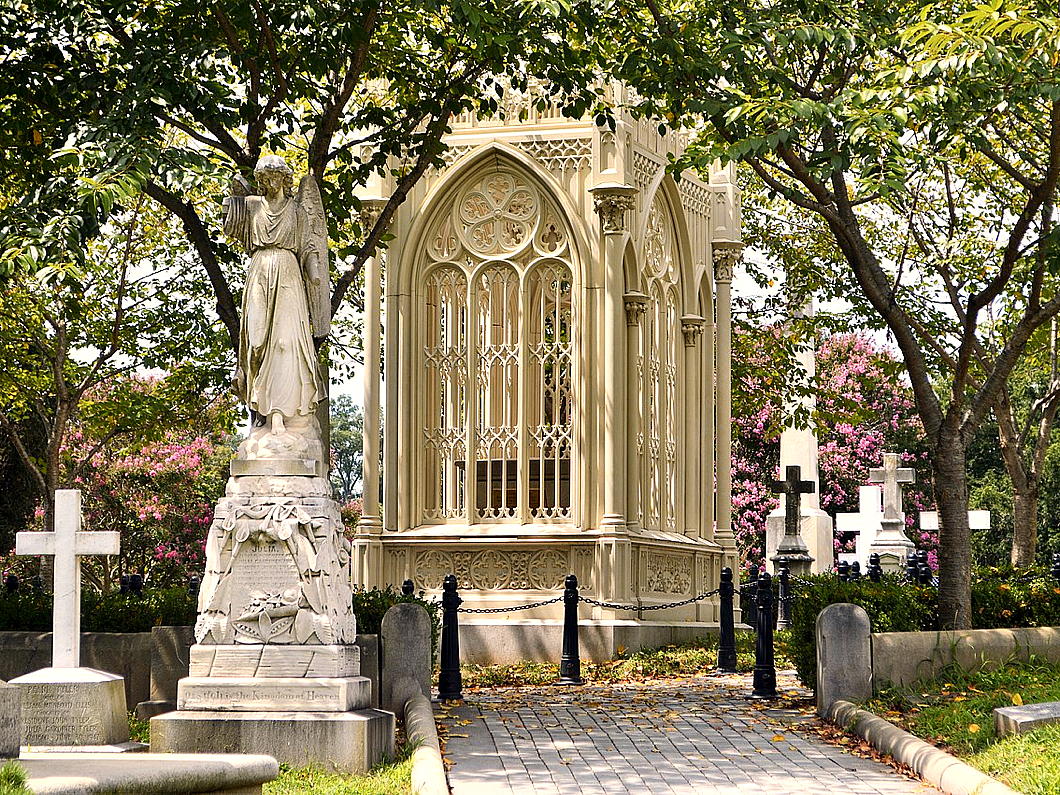
The new resting place is beside hr father’s Gothic tomb — a birdcage of traceery designed by Albert Lybrock in 1859, arches emerging like a filigree chapel above the President’s grave, but in cast-iron painted the colour of stone. The striking funerary monuments now shelters not only the nation’s fifth president but his daughter as well.
The repatriation of Eliza Monroe Hay was not a grand state ceremony but an act of personal devotion. It completes a family story interrupted by distance and time, and restores to American history a figure once nearly forgotten. In the quiet of Hollywood Cemetery, overlooking the James River, the Atlantic divide that once separated the Monroes has finally closed.
College of William & Mary: The forgotten daughter: Eliza Monroe Hay’s story revealed in her last letters
The Brooklyn Tablet: Daughter of President James Monroe Laid to Rest
Catholic News Agency: A Founding Father’s Catholic Daughter is Laid to Rest
Northern Virgina: Author Led Efforts to Rebury Monroe’s Daughter
Articles of Note: 15 September 2025
Helen Andrews reminds us what America is losing when adolescents are denied this early schooling in competence and responsibility.
■ Edward Luttwak has been one of the most insightful critics of the Agency’s failings: the perpetual deficit in language skills, front-line regional knowledge, and overall institutional seriousness.
He argues the greatest threat to the CIA isn’t the current inhabitant of the White House but Langley’s own comfort with incompetence.
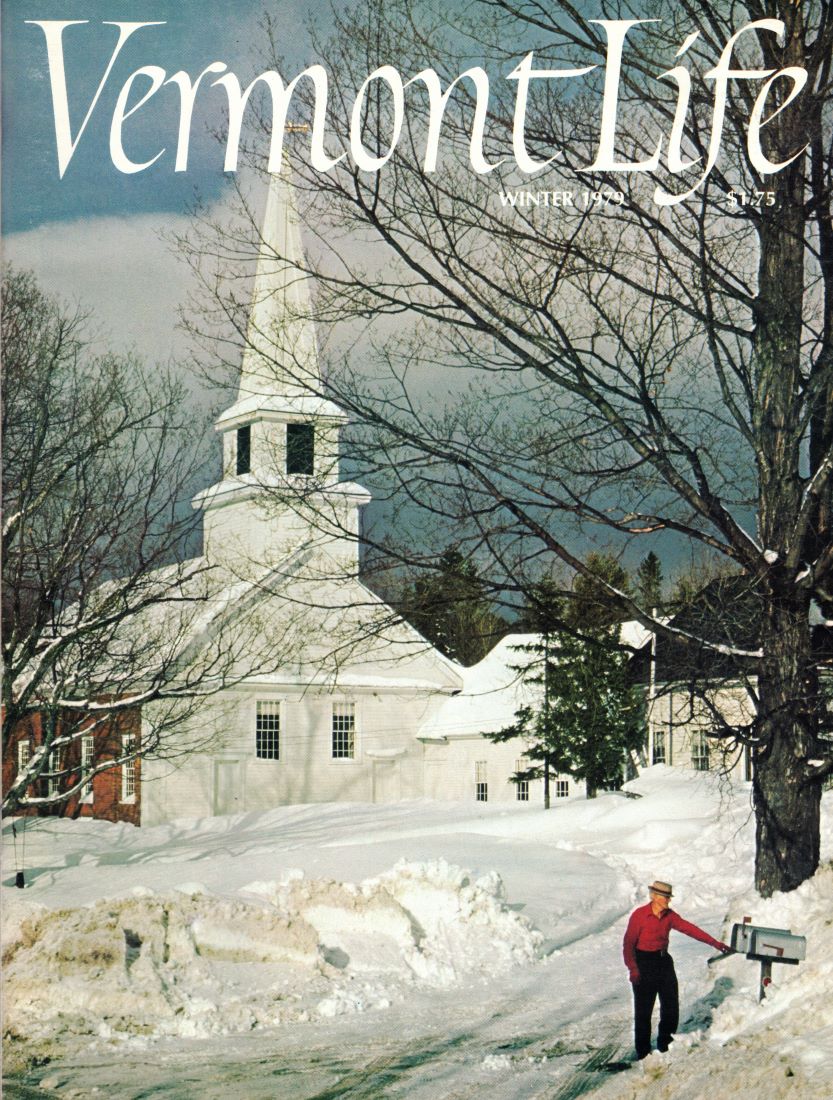
■ The older established small-town America – coastal and mid-Atlantic mostly – offers an incarnation of the conservative idyll: church spires, clapboard houses, civic pride, and other gems worthy of admiration and emulation.
Yet while tradition is revered by conservatives living amidst strip malls and subdivisions, it is liberals who preserve and maintain the old houses and town greens of New England. Aaron Renn looks into the contradictions of this dichotomy.

■ We have – you may have noticed – a lot of time for General de Gaulle. The most famous of his American stalwarts was the dancer, singer, actress – and spy – Josephine Baker. Behind the glamour of the music halls, archives reveal that Baker undertook serious work for the Free French secret services – not just against the Germans, but also against the crafty Middle-Eastern machinations of Great Britain.
■ Amongst political Gaullism’s enduring legacies is Pierre Messmer’s reaction to the Arab oil embargo. The Gaullist PM was determined France would never be caught again with its pants down in terms of energy and crafted a bold plan: forty nuclear reactors around the country, all built within a decade.
Alex Chalmers delves into the planning, procurement, and politics of this feat of engineering and of statecraft.
■ The English-speaking world fails to devote enough bandwidth to Brazilian history and culture.
Ryan Musto explores Washington’s plea for Brasilia to send troops to Vietnam and the outbreak of caution in influential milieux that spared Brazil a costly entanglement.
■ After Mormonism, the teachings of Mary Baker Eddy must rank amongst the strangest religions to have emerged from American soil.
Elijah Granet explains how Christian Science achieved the realms of inoffensive boredom and assimilated, at least in part, to a cultural Protestant mainstream while maintaining a disproportionate prominence.
Articles of Note: 5 June 2025

Depending on which writer you are speaking to, this can be an insular and tiresome subject — but Vargas Llosa does not disappoint.
The full list of Paris Review interviews can be found here.
■ At school my Latin teacher Dr Kernell used to describe a certain caste of individuals who cannot stand anything being different, fun, interesting, or enjoyable. He ascribed these people the moniker of “the Monotony Monitors”.
Amongst the many things the Monotony Monitors writhe in seething hatred of is Easter, primarily because it is the feast of Christ’s resurrection but also because its date is determined according to a formula based on the lunar calendar. This means it (and its dependent feasts) float through the year rather than being standardised in a monotonous way.
Eliot Wilson writes about the Easter Act 1928 which attempted to overthrow all the work of the Synod of Whitby and fasten the date of Easter in England’s civil calendar.
(It’s bad enough the Pagan English under their genial leader Harold Wilson effectively abolished the Whitsun holiday in 1965 by moving the Whit Monday day-off to the last Monday in May. This now bears the prosaic name of ‘Second May Bank Holiday’ or ‘Spring Bank Holiday’; not to be confused with the first Monday in May which is the ‘Early May Bank Holiday’.)
■ Lebanon is a beautiful land with ingenious inhabitants. Yasin Atlassi reports on how a divided country not much larger than Delaware managed to start its own space programme.
■ On the centenary of his birth, The Spectator recalls Ian Hamilton Finlay: the poet, sculptor, and gardener who maintained a private militia.
■ In Modern Age, Prof. Robert Whaples examines the dichotomy between David Copperfield and Holden Caulfield and concludes we are — alas — living in the age of the latter.
■ The United States of America does not have an honours system — except it does. Elijah Granet and I share many of the same obsessions, and he has penned an engrossing read on the quest for an American honours system.

American Exuberant

I have seen far too little of California, which is a shame because the confident freehand of American architecture between the wars reaches its greatest exuberance in the Golden State.
William Gayton began his eponymous Gaytonia Apartments in Long Beach, Ca., in 1929 and they were only midway complete before, as the characteristically colloquial style of Variety put it, Wall Street ‘laid an egg’ with the stock market crash.
This is a deliciously free California Gothic, unbothered by the pretensions of historicist verisimilitude. (A contrast to our still-much-appreciated academic friends on the East Coast.) Indeed, despite its castellar appearance it is mostly constructed of artfully handled stucco on wood disguising itself as stone.
And, true to the apartment house form, there’s even underground parking.

America’s Yacht Ensign
A Seaborne Symbol of Summer
For those of us who had the pleasure of growing up on America’s Eastern Seaboard, there are few icons more emblematic of summer than the United States Yacht Ensign snapping from the back of a sailboat.
An ensign is a maritime flag flown from vessels to show its country of registration. It is always flown from the stern of the vessel, whereas the flag that flies from the bow is called a jack. Naval ensigns are the most common but, depending on which country you’re in, there are also state or government ensigns, civil ensigns for merchant or pleasure vessels, and more.
Given Britain’s long (now somewhat faded) command of the seas, the Royal Navy’s White Ensign and the “Red Duster” of her merchant ships are the most famous ensigns of all.
During the nineteenth century, the United States government had no income tax and collected most of its still very significant revenues from customs duties, tariffs, and import charges. The Treasury Department’s revenue cutters patrolled up and down the Atlantic coast, enforcing duties and boarding vessels to inspect and collect them.
This posed a problem for the increasing fleet of pleasure craft that leisurely sailed the waters of New England, the Chesapeake, and the numerous points in between. There was no way for officials to differentiate between merchant vessels flying the American flag as their ensign and ordinary yachtsmen.
John Cox Stevens, Commodore of the New York Yacht Club, wrote to the Treasury Secretary proposing that private vessels not engaged in trade be exempt from the revenue cutters’ inspections and from clearing customs when entering or departing from American ports. Keen to lighten the load on their own inspectors, the Treasury agreed.
To signify this exemption, the United States yacht ensign was introduced in 1848: a modified form of the original thirteen-stripe, thirteen-star “Betsy Ross” flag with the addition of a somewhat jaunty anchor inside the circle of stars.
As a yacht ensign, it is flown from American private vessels only within home waters: When U.S.-registered boats are sailing abroad they should fly the ordinary fifty-star United States flag as their ensign.
It is not, however, mandatory, so American yachts can fly the ordinary flag as their ensign if they wish. The Revenue Cutters were merged with the United States Life-Saving Service in 1915 to form the Coast Guard — which has its own distinct ensign — so the threat of being raided by Treasurymen is much reduced.
Today the U.S. yacht ensign has become a symbol of American summer as far south as Key West and as up north as Bar Harbor. If you’re feeling yachty, you can even get it on a sweater. (more…)
Bicycle Rack
We are so used to the functional ugliness of practical things in everyday life that people have forgotten we used to design useful things to be beautiful as well.
A look at the street furniture — lampposts, advertising pillars, pissoirs — of 1900s Paris and that which it inspired from Bucharest to Buenos Aires can provide a useful reminder.
Happily there are architects and designers who haven’t given up on the public realm. A fine example is this bike rack designed by B&L Architects of Charleston, South Carolina.
Charleston is probably the prettiest town in all America and the city elders have worked long and hard to protect that which makes it beautiful — not without challenges. (Watch Andres Duany on Charleston.)
I don’t know if B&L’s bike rack is going to be deployed more broadly in the city, but it looks gorgeous placed here beside the County Courthouse designed in 1790 by James Hoban.
As always, it is not turning the clock back: it is choosing a better future.


Immanuel on the Green
The prettiest situated church in the little state of Delaware
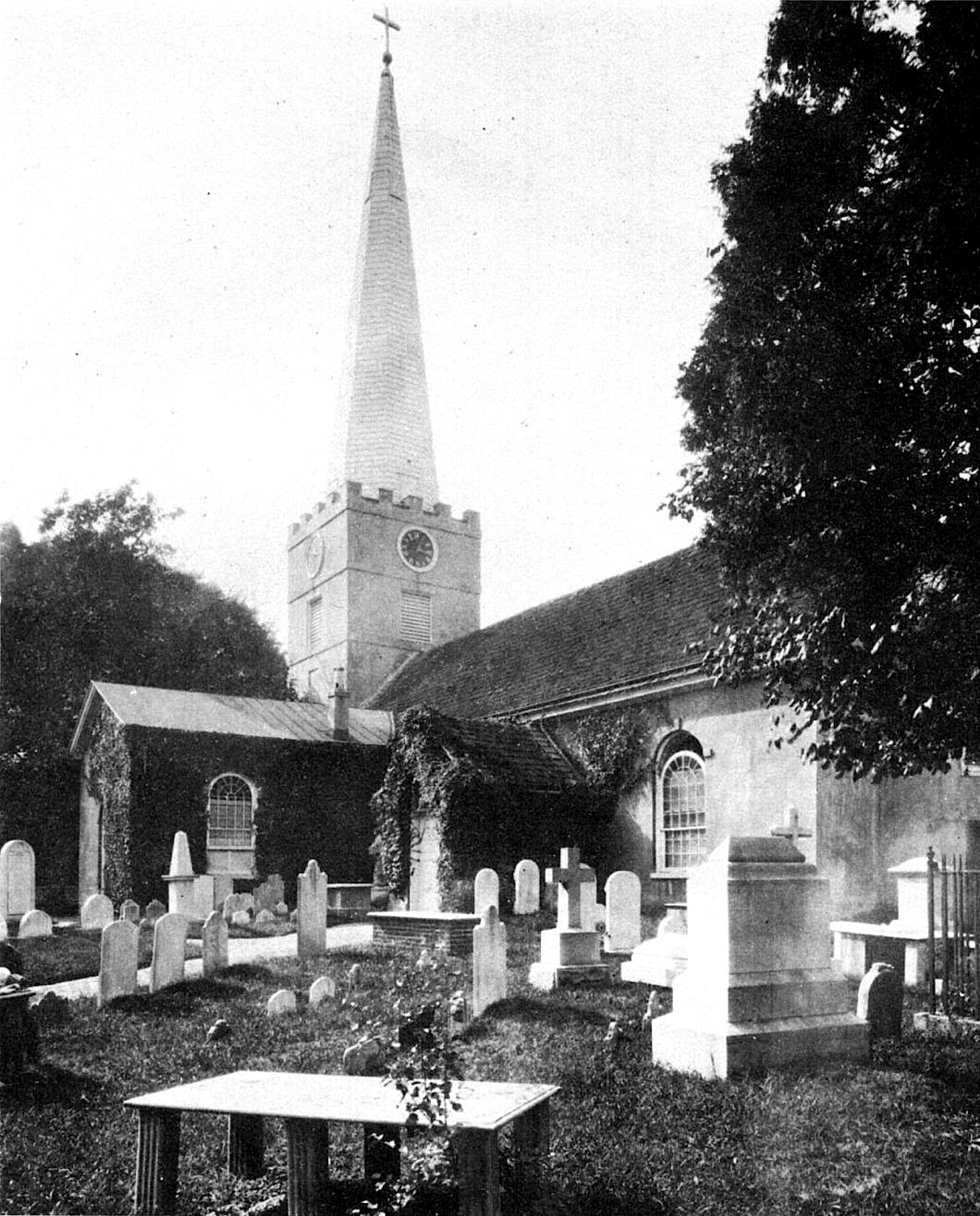
In the old Delaware hundred of New Castle on the town green sits the Immanuel Protestant Episcopal Church — the first Church of England parish in what is now the State of Delaware. This part of the world started out as New Sweden, but our Dutch forefathers of old, settled as they were in New Amsterdam, quickly took umbrage at the Scandinavian presence in what they viewed as a distinctly Netherlandic domain.
By the time Sweden and Poland went to war in 1755 — a conflict, confusingly, called the Second Northern War by some and the First Northern War by others — a Polish citizen of New Amsterdam had convinced the governor, Peter Stuyvesant, to let him take a team to go and establish a Dutch fort in the lands claimed by the Swedes. Stuyvesant named the settlement Fort Casimir after the many legendary Polish kings to bear that name, as well as the reigning King of Poland at the time, John II Casimir.
The dastardly Swedes captured Fort Casimir in 1654, led by an Östergötlander by the name of Johan Risingh. (As it happens, Rising had studied at Leiden in the Netherlands in addition to his native land’s university of Uppsala.) The Swedes had seized the fortress on Trinity Sunday, and so they rechristened it as Fort Trinity — or Fort Trefaldighet in their own tongue.
Stuyvesant was forced to lead an expedition himself to kick the Swedes out and, after a scrap that went down as “the Most Horrible Battle Ever Recorded in Poetry or Prose”, he returned to Dutch Manhattan in triumph.
“It was a pleasant and goodly sight to witness the joy of the people of New Amsterdam at beholding their warriors once more return from this war in the wilderness,” no less a source than Diedrich Knickerbocker recounts.
The schoolmasters throughout the town gave holiday to their little urchins who followed in droves after the drums, with paper caps on their heads and sticks in their breeches, thus taking the first lesson in the art of war. As to the sturdy rabble, they thronged at the heels of Peter Stuyvesant wherever he went, waving their greasy hats in the air, and shouting, ‘Hardkoppig Piet forever!’
It was indeed a day of roaring rout and jubilee. A huge dinner was prepared at the stadthouse in honor of the conquerors, where were assembled, in one glorious constellation, the great and little luminaries of New Amsterdam. … Loads of fish, flesh, and fowl were devoured, oceans of liquor drunk, thousands of pipes smoked, and many a dull joke honored with much obstreperous fat-sided laughter.
But the joyous dominion the Hollanders held over the former Swedish territory was to be short-lived. By fate and the divine hand, the Duke of York — later our much beloved and since departed majesty King James II — seized New Amsterdam without firing a shot in 1664 and New Netherland became the Province of New York overnight.
Down on the banks of the Delaware, the Dutch-founded Fort Casimir, re-consecrated as Fort Trinity by the Swedes, had returned to Dutch control under the name of Nieuw Amstel. The English now named it New Castle, a name which has stuck ever since.
By a livery of seisin, the Duke of York transferred this part of his fiefdom to William Penn in 1680, who went and founded Pennsylvania a year later. But the English, Dutch, and Swedish inhabitants of “the lower counties on the Delaware” bristled under the dominance of the culturally distinct Quakers. They petitioned the Crown to be governed by a separate legislature, which privilege was duly granted in 1702.


Lafayette at the Seventh
For the first century or so in the history of the United States, there was no more popular Frenchman in America than the Marquis de Lafayette. This nobleman of the Auvergne was an officer in the King’s Musketeers aged 14 and was purchased a captaincy in the Dragoons as a wedding present aged 18 in 1775. Within a year the rebel faction in North America had sent Silas Deane of Groton to Paris as an agent to negotiate support from the French sovereign, but Paris acted cautiously at first.
Lafayette — a young aristocratic freemason and liberal with a head full of Enlightenment ideas — escaped to America in secret and was commissioned a major-general on George Washington’s staff in the last of his teenage years.
Given his relative youth, Lafayette inevitably turned out to be the final survivor of the generals of the Continental Army, and his 1824 trip to the United States solidified his popularity. He visited each of the twenty-four states in the Union at the time, including New York where the predecessor of the Seventh Regiment named itself the National Guards in honour of the Garde nationale Lafayette commanded in France.
This was the first instance of an American militia unit taking the name National Guard, which in 1903 was extended to all of state militia units which could be called upon for federal service.
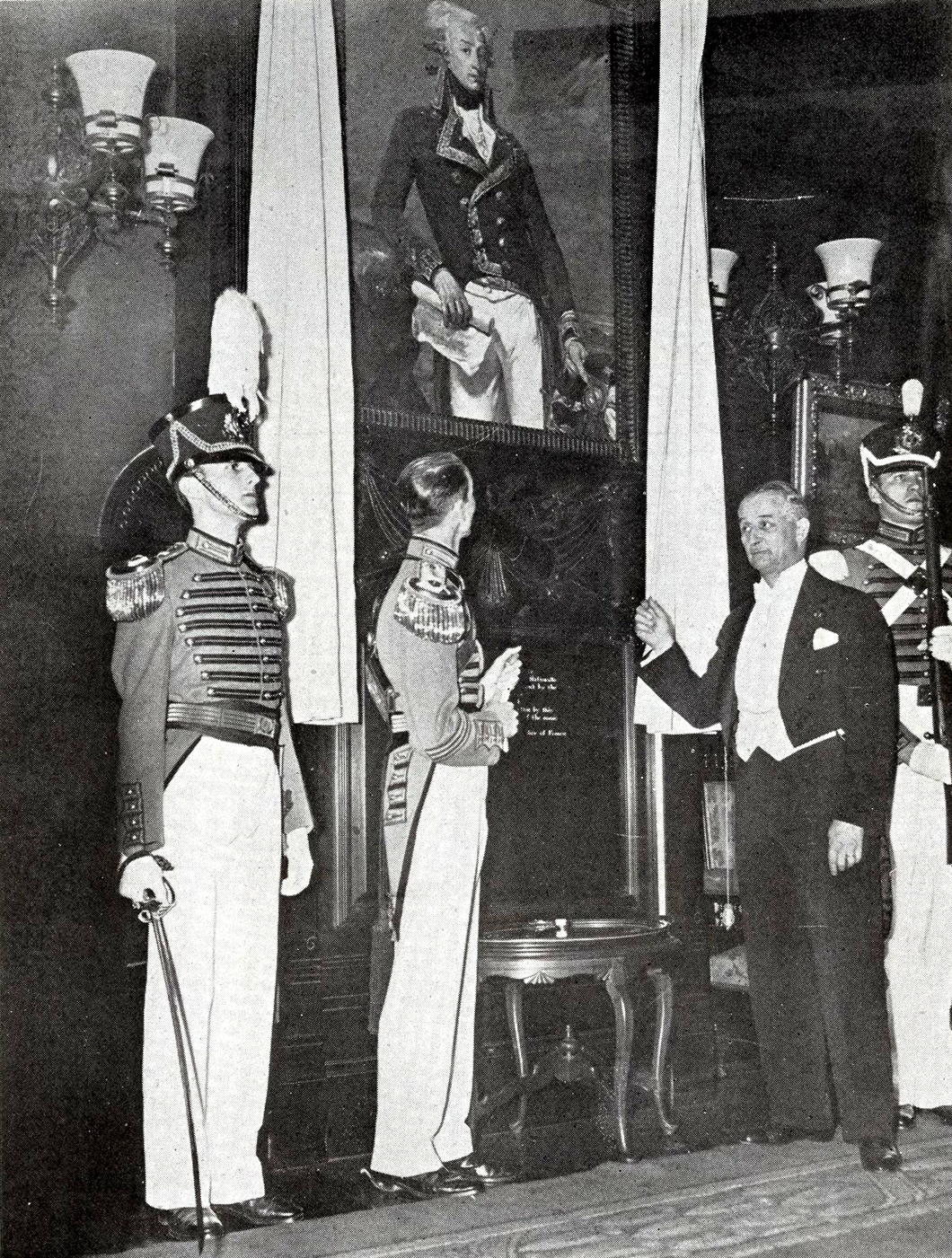
In honour of this connection and on the centenary of Lafayette’s 1834 death, the French Republic presented the Seventh Regiment with a copy of Joseph-Désiré Court’s portrait of the general that hangs in the 1792 Room of the Palace of Versailles. The Seventh set this in the wall of the Colonel’s Reception Room in their Armory, facing a copy of Peale’s portrait of General Washington.
The privilege of unveiling the portrait went to André Lefebvre de Laboulaye, the French Ambassador to the United States, who was given the honour of a full dress review of the Seventh Regiment on Friday 12 April 1935 before a crowd of three thousand in the Amory’s expansive massive drill hall.
Also present at the occasion was his son François, who eventually in 1977 stepped into his late father’s former role as French Ambassador to the United States. His Beirut-born grandson Stanislas served as French Ambassador to Russia 2006-2008 before being appointed to the Holy See until 2012. In April 2019, Stanislas de Laboulaye was put in charge of raising funds for the rebuilding of Notre-Dame following the fire that devastated the cathedral.
The Irishman at Yorktown
General Charles O’Hara and the Surrender of Lord Cornwallis
Today marks two-hundred-and-forty-one years since the British general Lord Cornwallis surrendered to a joint Rebel-French force at Yorktown in Virginia — perhaps the most embarrassing British defeat until the Fall of Singapore to the Japanese more than a century and a half later.
Every American schoolboy, or indeed any visitor to the United States Capitol, is familiar with John Trumbull’s oil painting of the scene at Yorktown.
Somewhat pitifully, Lord Cornwallis pled ill health and did not attend the formal ceremony of surrender.
Instead, he sent his adjutant to act on his behalf: a wily character by the name of General Charles O’Hara.
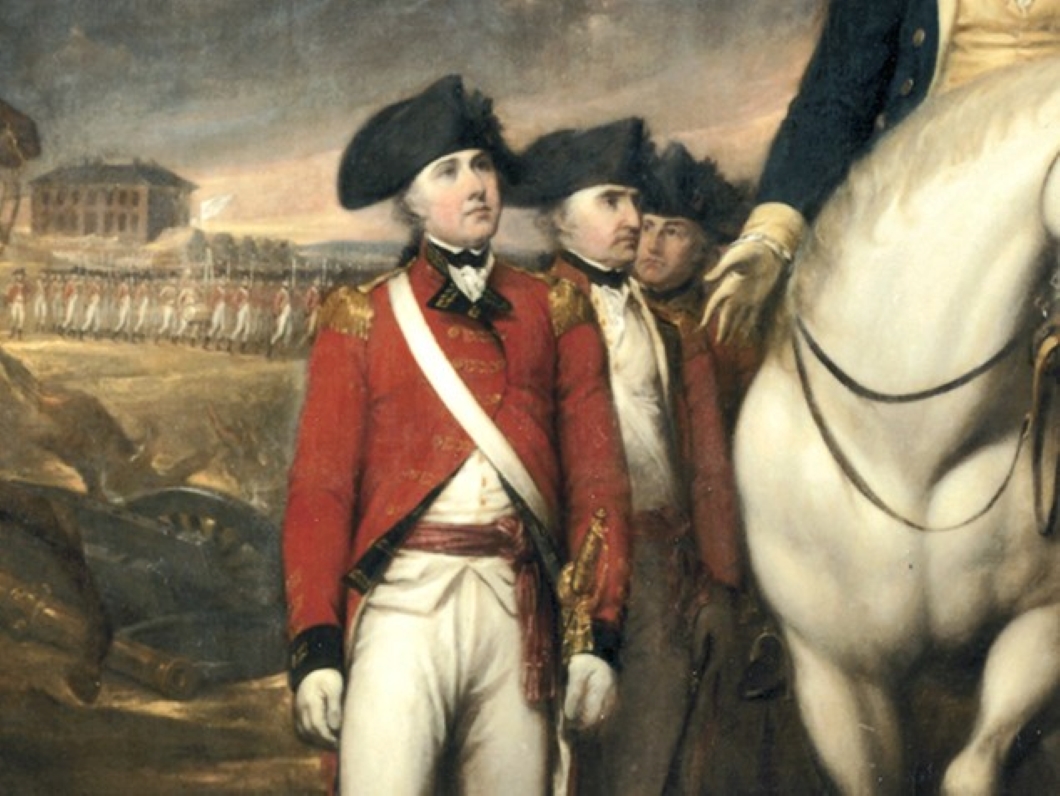
O’Hara had soldiering in his blood, being the illegitimate son of a Portuguese woman and Field Marshal the Rt Hon James O’Hara, 2nd Baron Tyrawley and 1st Baron Kilmaine. The elder O’Hara was the sometime envoy-extraordinary to the King of Portugal, where he made the acquaintance of the woman who bore him one of at least three of his sons-born-the-other-side-of-the-blanket.
Lord Tyrawley looked after his son, sending him to Westminster School before buying him an army commission and keeping him close by in the Coldstream Guards which the father commanded himself.
Young Charles was at one point sent on assignment to Senegal commanding a corps of African army convicts which, reading between the lines, may have been a punishing demotion.
He soon regained his command with the Guards though and was sent to America where the royal troops were fighting against a surprisingly cohesive force of rebel English colonists.
Despite being surrounded by numerous American loyalists, O’Hara tended to distrust the colonists and viewed them with suspicion, tarring them all with the brush of rebellion openly practiced only by a distinct (but ultimately successful) minority.
He was wounded at the Battle of Guildford Court House in March 1781, and by the Siege of Yorktown had been promoted to Cornwallis’s second-in-command. (more…)
US Army Chief in London
General James C. McConville, Chief of Staff of the United States Army, dropped into London this week to meet with General Sir Patrick Sanders, who will take over as his British opposite number (Chief of the General Staff) later this year.
Both are the head of their countries’ respective armies and subordinate to overall defence chiefs, the Chairman of the Joint Chiefs of Staff in the US and the Chief of the Defence Staff here in the United Kingdom.
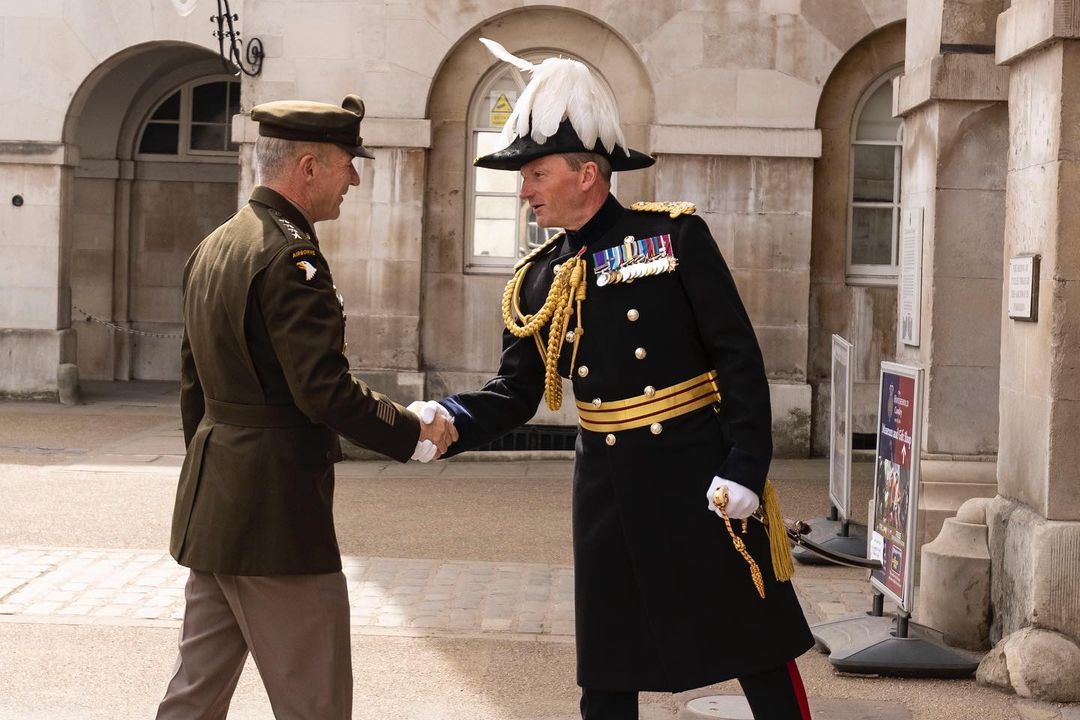
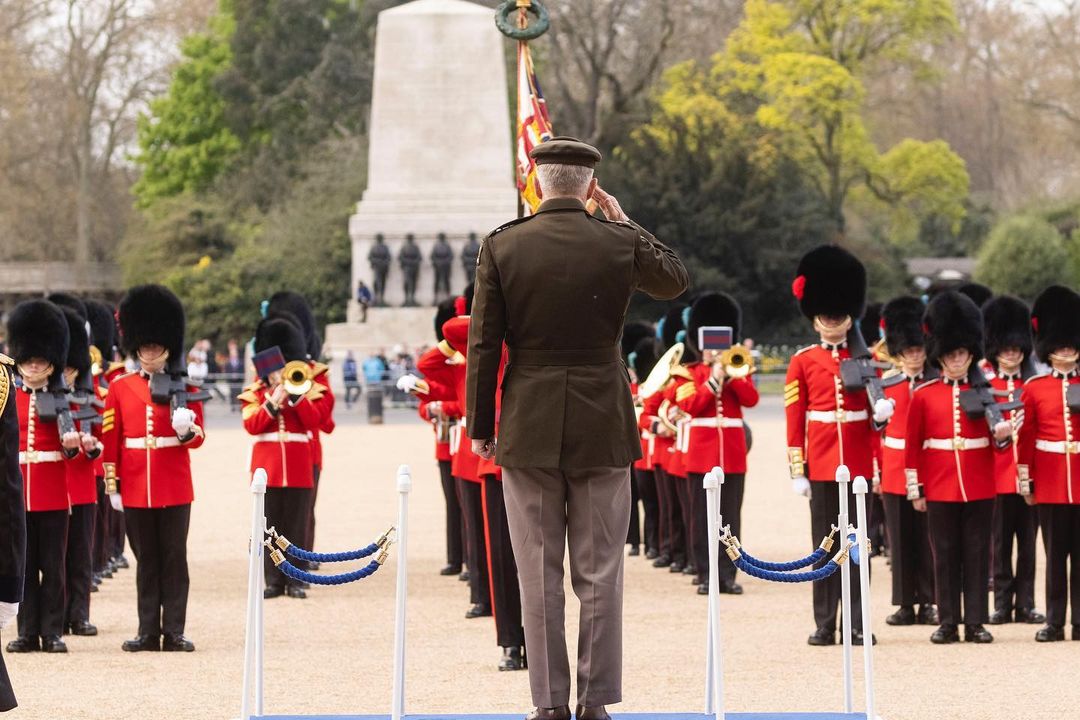
General McConville was welcomed to the official Army Headquarters at Horse Guards, Whitehall, by the Major General Commanding the Household Division, Maj. Gen. Chris Ghika.
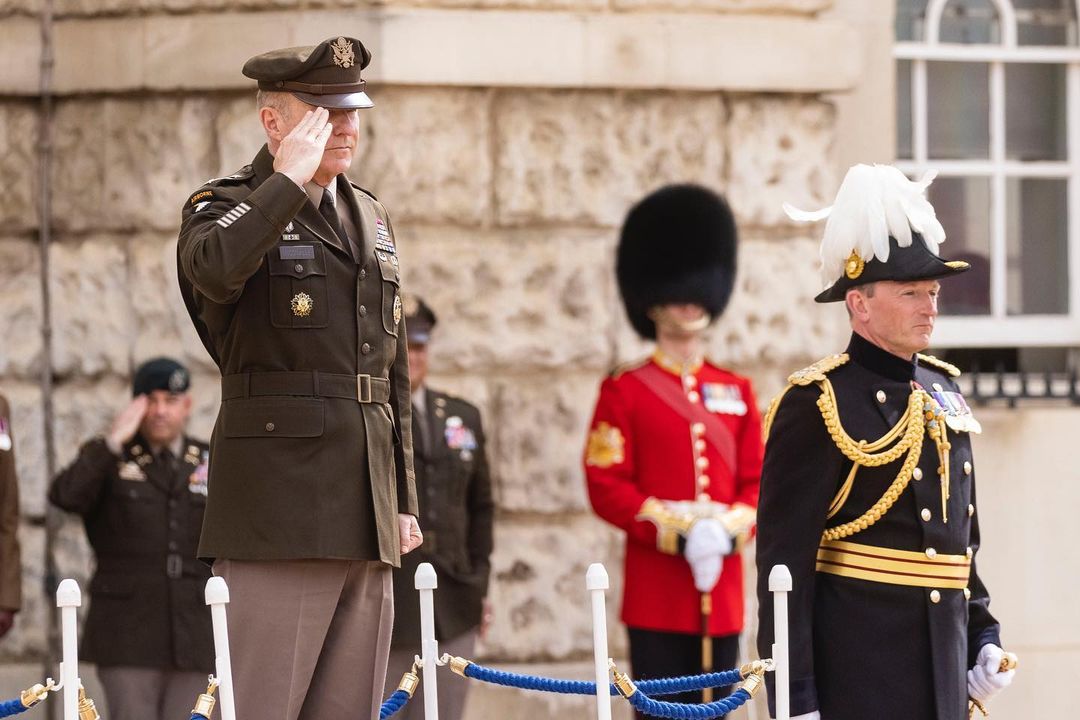
A contingent from the Coldstream Guards and the Band of the Irish Guards put together a ceremonial display and Gen. McConville took the salute.
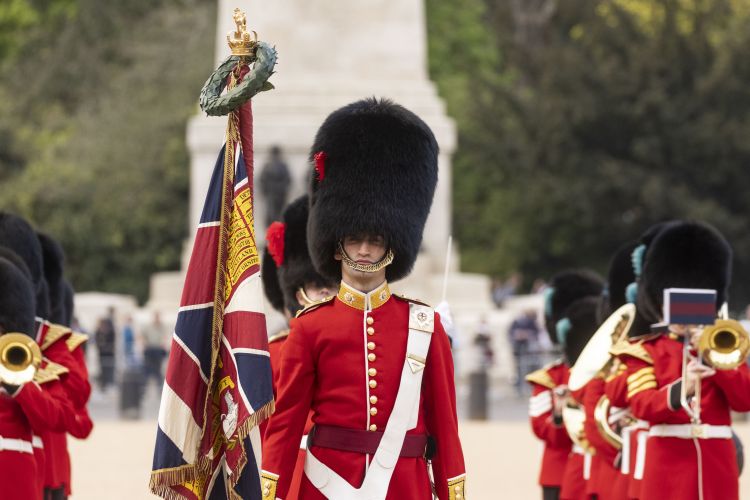
Gen. McConville will also deliver the Kermit Roosevelt Lecture at the Royal Military Academy Sandhurst this week.
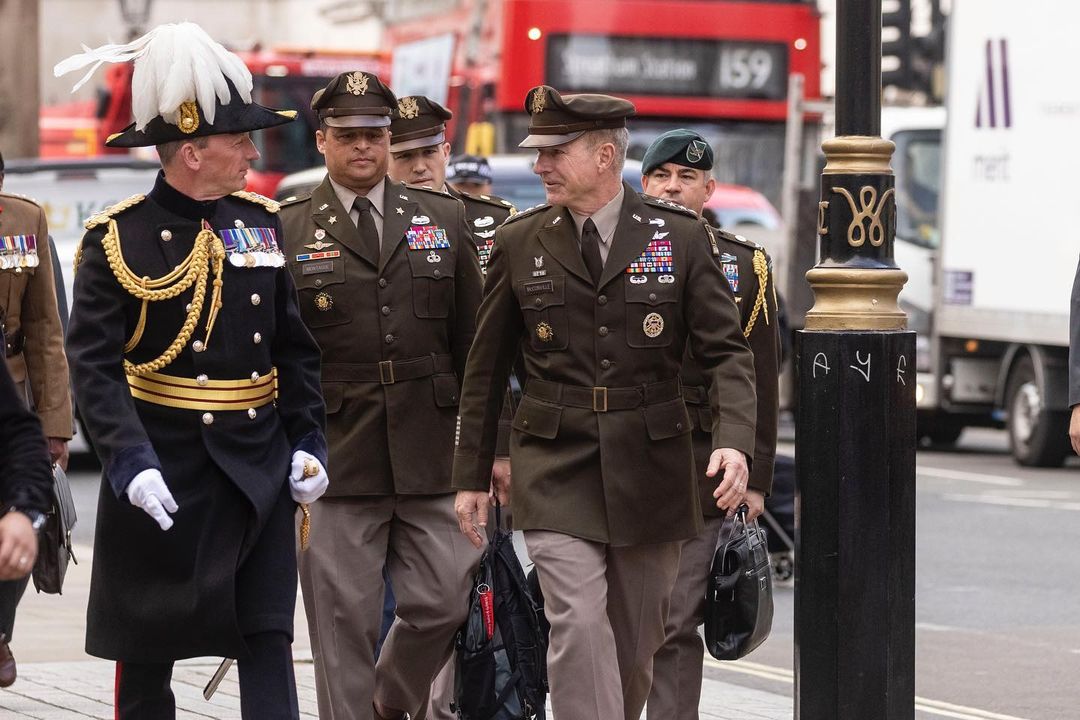
The general’s visit provided a chance to show off the US Army’s new service uniform — modelled on the popular old pinks and greens.
This provides a much welcome alternative to the Dress Blues which, to my mind, make soldiers look like glorified policemen.
As I wrote when discussing similar changes in Peru, it’s not turning the clock back: it’s choosing a better future.
Articles of Note: 24.II.2021
• It is almost certain that we will never know who the actual winner of the 2020 presidential election was: the methods of fraud which might have been deployed are by their very nature ephemeral. Anton is right in that the best summary of the irregularities is from the U.S.-based Swedish academic Claes Ryn: How the 2020 Election Could Have Been Stolen. Ryn’s academic work is always an insightful read so his take here is worthwhile.
• I’ve said it before and I’ll say it again: the Frenchman Pascal-Emmanuel Gobry is always worth reading and always brings something to the table. P.E.G. argues the pre-Trumpers, anti-Trumpers, and never-Trumpers on the American centre-right need to recognise the reasons why Trump became a political phenomenon in the first place: Why Establishment Conservatives Still Miss the Point of Trump.
• One of the best books on urbanism in the Cusackian library is Allan Jacobs’s Great Streets. The expert work with its illustrative maps, diagrams, and line drawings is now a quarter-century old and on this anniversary Theo Mackey Pollack examines What Makes a Great Street.
• A new book argues that our vision of Northern Ireland as a corrupt and gerrymandered statelet from its birth in 1921 until the imposition of direct rule in 1972 is largely a myth. The editors Patrick J Roche and Brian Barton take to the pages of the once-great Irish Times to offer A Unionist History of Northern Ireland. It’s… an interesting perspective that will doubtless provoke a debate, but colour me sceptical.
Articles of Note: 23.XI.2020
• France’s Year of de Gaulle has marked the fiftieth anniversary of his death earlier this month and what would have been the general’s one-hundred-and-thirtieth birthday yesterday. Julien Nourian has put together a Weberian analysis of the general and his charismatic mystique.
• President Trump is a very different kind of leader to de Gaulle, and his chances of continuing in the White House are not looking great at the moment. (Our head of legal in New York thinks he’s still got a chance, however.)
Regardless of who will be inaugurated in January of next year, Trump managed to win the highest proportion of minority votes of any Republican candidate since 1960 (when the GOP choice was a member of the NAACP). Meanwhile, Trump lost votes among old, white, well-to-do men.
What is the future of American political conservatism? Ben Hachten points out It’s Not Your Father’s GOP.
New England poli-sci professor Darel E. Paul explores The Future of Conservative Populism, pointing out the big increase in the Hispanic vote for Trump — especially Hispanics living in Texas along the Mexican border.
• In Britain, Ferdie Rous says the Conservative party is having difficulty reconciling the business wing of the party with our rural roots, but suggests that The writings of Lewis and Tolkien embody conservative environmentalism.
Meanwhile David Skelton asserts It was working class voters who delivered this majority – and Johnson must not abandon them now.
• Here in London we’re still in the middle of the second lockdown. Instead of following the science, governments around the world are implementing the exact opposite of effective measures to combat the pandemic. It’s The Greatest Scandal of Our Lifetime according to R.J. Quinn.
• We can always do a with a dose of Metternich and Wolfram Siemann’s 900-page doorstop has provided a chance for many to analyse the master diplomat. Ferdinand Mount examines The Prime Minister of the World.
• And finally, the Museum of Literature Ireland features an online exhibition on the American writer, speaker, reformer, and statesman Frederick Douglass’s visit to Ireland 175 years ago. (Available as Gaeilge too.)
Mauritz de Haas
Stormcloud and moonlight — these were the preferred settings of the marine paintings of Mauritz Frederik Hendrik de Haas.
Born in Rotterdam in 1832, he studied at the academy there as well as in the Hague under Bosboom and Meijer.
At the age of twenty-five, de Haas accepted an artist’s commission in the Dutch Royal Navy, carrying on for two years until the Rhenish-Sephardic financier August Belmont (a former American ambassador to the Netherlands) persuaded him to come to America in 1859.
By 1867 de Haas was an academician of the National Academy and a founding member of the American Society of Painters in Water Colors.
His brother, Willem Frederik de Haas, was also a marine painter, but Mauritz’s scenes are much more atmospheric — especially as one moves from day through dusk and into the light of the moon.
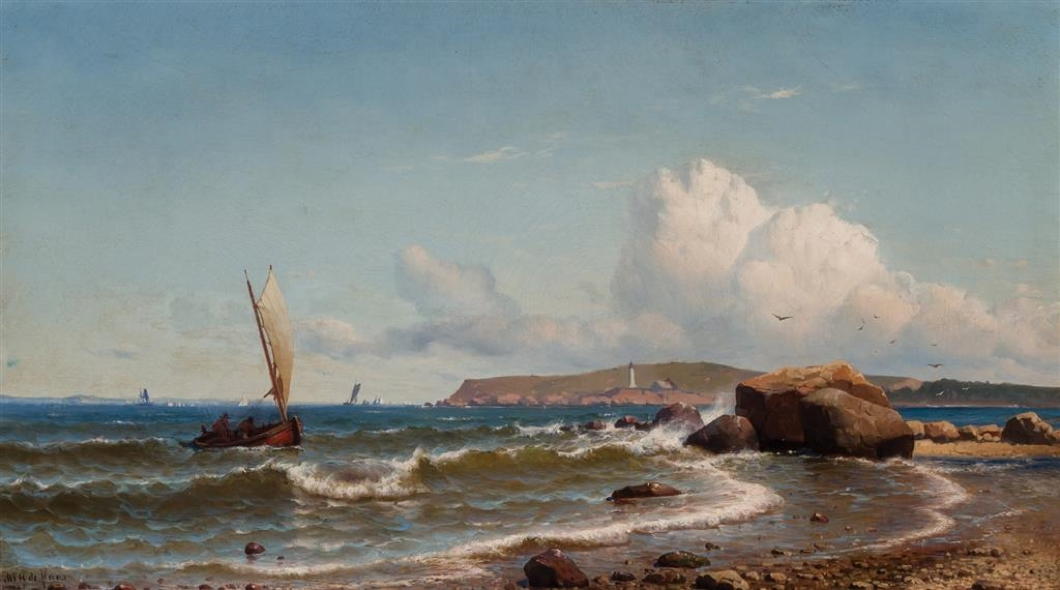
oil on canvas, 17 in. x 30 in.
Marinus Willett
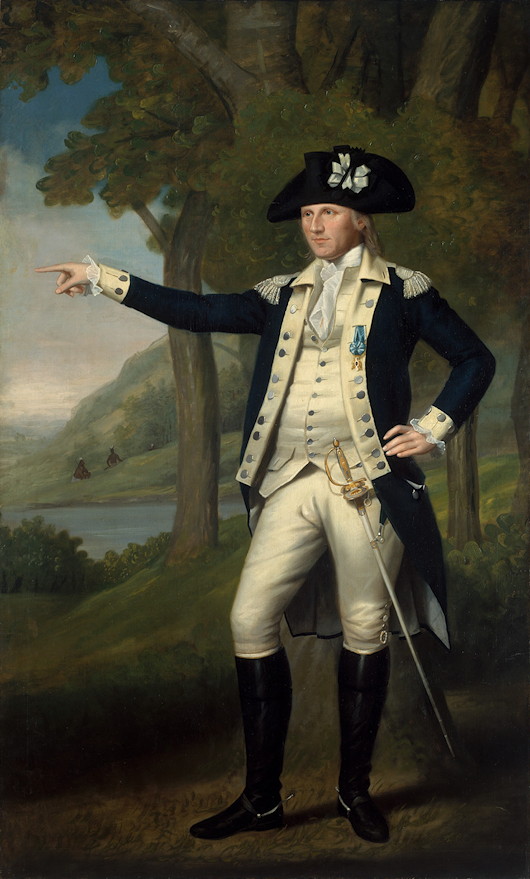
In one of the galleries of the Metropolitan Museum’s American wing, behind the Tuckahoe-marble façade of the old Assay Office (moved here from Wall Street), hangs this portrait of Col. Marinus Willett of the Continental Army’s 5th New York Regiment.
Born in 1740, the second of thirteen children, Willett attended King’s College before being commissioned a lieutenant in a New York provincial regiment during the Seven Years’ War (or French and Indian War as it’s known more locally). (more…)
Monday 18 January

– Architectural historian Catesby Leigh looks at Ralph Adams Cram and Pittsburgh’s gothic architectural legacy.
– In October for the first time ever Polish voters handed a parliamentary majority to a single party, putting the Law and Justice (PiS) party in power after nine years in opposition. But, alarmed by the new government’s attempts to correct the stacking of state media by their political opponents, western European powers have attacked the new government and suggested it be investigated by the European Union.
The PiS delegation of the European Conservatives & Reformists Group in the European Parliament has released a measured statement asking What is really happening in Poland? Given recent events in Cologne, however, Polish fans at a volleyball match in Berlin viscerally suggested the Germans should get their own act in order before criticisng others.

– Polish academic Artur Rosman explores both the history and future of the pro-life movement in America, citing the New York Times’s Kristen Dombek’s surprise at discovering that abortion is not an exclusively conservative concern:
Among those of us who wish to protect access to abortion, it’s easy to feel that “right to life” language is a cover for an attack on feminism. It’s a feeling supported by a common story about history: The anti-abortion movement began after Roe v. Wade, because conservative evangelicals were threatened by women’s newfound power over their bodies. What else could explain the movement’s swift rise in the decade following the Supreme Court’s decision, if not a widespread reaction against equal rights? […]
[I]t’s hard to imagine a country where the most prominent voices against abortion were Catholic physicians, and evangelical Protestants were either in favor of lifting restrictions on abortion, or didn’t really care. A country where Democrats and the Black Panthers opposed abortion, and Ronald Reagan, like most conservatives, supported it. Where more men than women supported legalizing abortion, and Hugh Hefner was one of those men, leading one activist to call legalized abortion the “final victory of the Playboy philosophy.” Where opposition to abortion found common cause with opposition to the exploitation of women, to the abandonment of the poor, to big business and to the Vietnam War.
– And finally, Sam the Eagle has a message for all the prospective candidates in the American presidential election:
Search
Instagram: @andcusack
Click here for my Instagram photos.Most Recent Posts
- Brunel’s Unbuilt Capitol February 3, 2026
- Cricket at Fordham January 27, 2026
- Palacio Barolo Revisted January 14, 2026
- Learning to Love Liguria January 14, 2026
- Crux Alba No. 2 January 13, 2026
Most Recent Comments
Book Wishlist
Monthly Archives
Categories