About Andrew Cusack
 Writer, web designer, etc.; born in New York; educated in Argentina, Scotland, and South Africa; now based in London.
 read more
News
Blogs
Reviews & Periodicals
Arts & Design
World
France
Mitteleuropa
Knickerbockers
Argentina
The Levant
Africa
Cape of Good Hope
Netherlands
Scandinavia
Québec
India
Muscovy
Germany
Academica
The Long Homecoming of Eliza Monroe
A presidential daughter is reunited with her parents
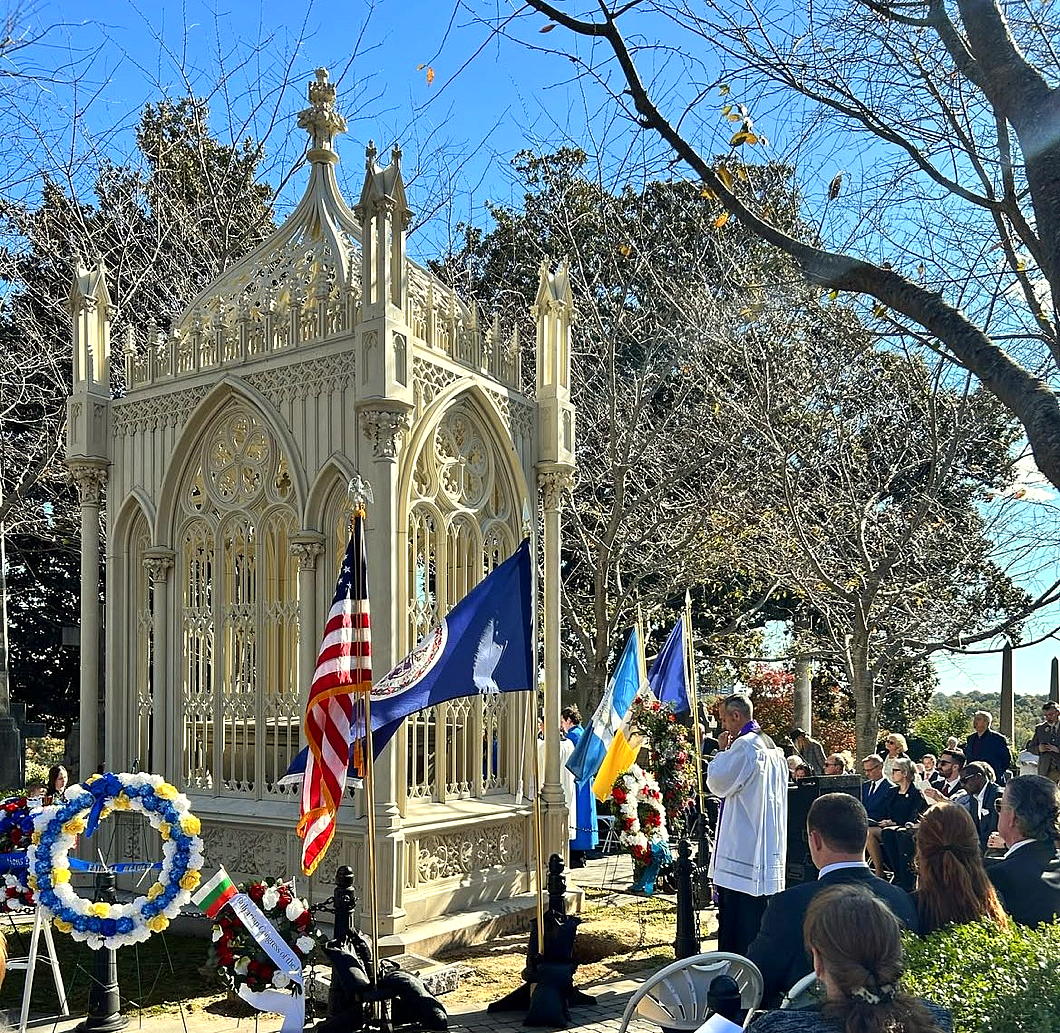
Nearly one hundred and eighty-five years after her death in Paris, the mortal remains of Eliza Monroe Hay — daughter of the fifth President of the United States — have been laid to rest in Richmond, Virginia. Her reburial beside her parents President James Monroe and First Lady Elizabeth Monroe marks the end of a long and curious chapter in the history of this illustrious American family.
The return of Eliza’s remains was the work of Barbara VornDick, a retired Virginia educator who spent more than a decade tracing Monroe descendants, searching archives and navigating French and American bureaucracy.
Working with the U.S. Embassy in Paris and the Diocese of Richmond, VornDick secured the exhumation and transport of Eliza’s remains from an unmarked Parisian grave to the family plot.
The Holy Sacrifice of the Mass was offered for the repose of Eliza Monroe Hay’s soul at the Cathedral of the Sacred Heart before the re-interment in Hollywood Cemetery on 23 October 2025.
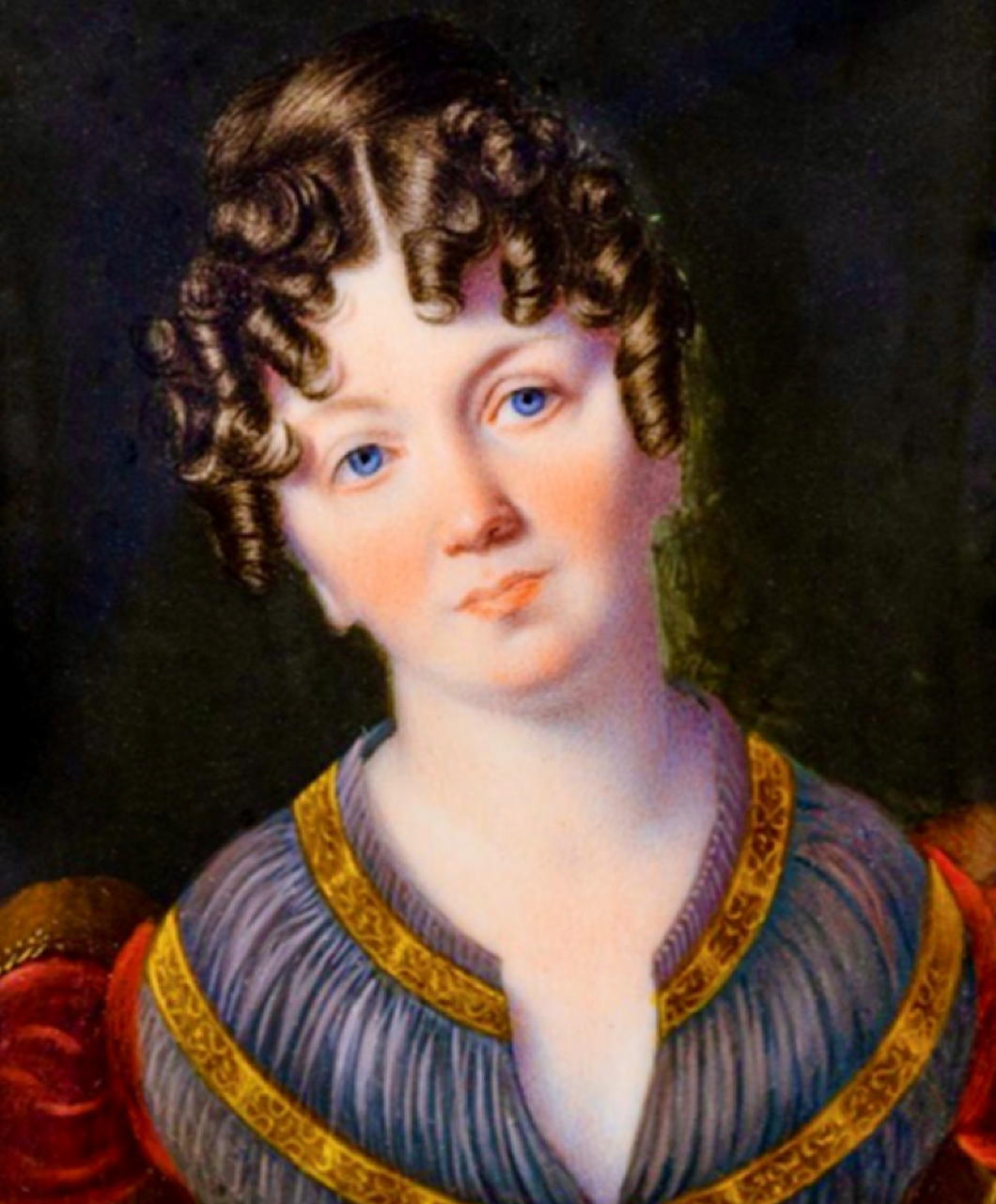
Born in Fredericksburg in 1786, Eliza Kortright Monroe grew up between Virginia and revolutionary France, where her father served as U.S. minister (as ambassadors were generally called then). A great part of her education took place in Paris where became accustomed to the courtly formality of Europe. Among the friends she made was Hortense de Beauharnais, stepdaughter of Napoleon and eventually queen consort of Holland as the wife of Lodewijk I (Luigi Buonaparte), the Emperor’s younger brother.
When James Monroe became president in 1817, her mother’s poor health led Eliza to assume many of the social duties expected of the chatelaine of the White House. Later commentators sometimes judged her reserved manner harshly, but it reflected both her upbringing and her experience of diplomacy.
In 1808 Eliza married George Hay, a Virginia lawyer best known as the U.S. Attorney who prosecuted Aaron Burr in his trial for treason before Chief Justice John Marshall the previous year. They had one daughter who was christened Hortensia after the mother’s childhood friend who acted as godmother. Hay died in 1830, followed within a year by Eliza’s mother and father.
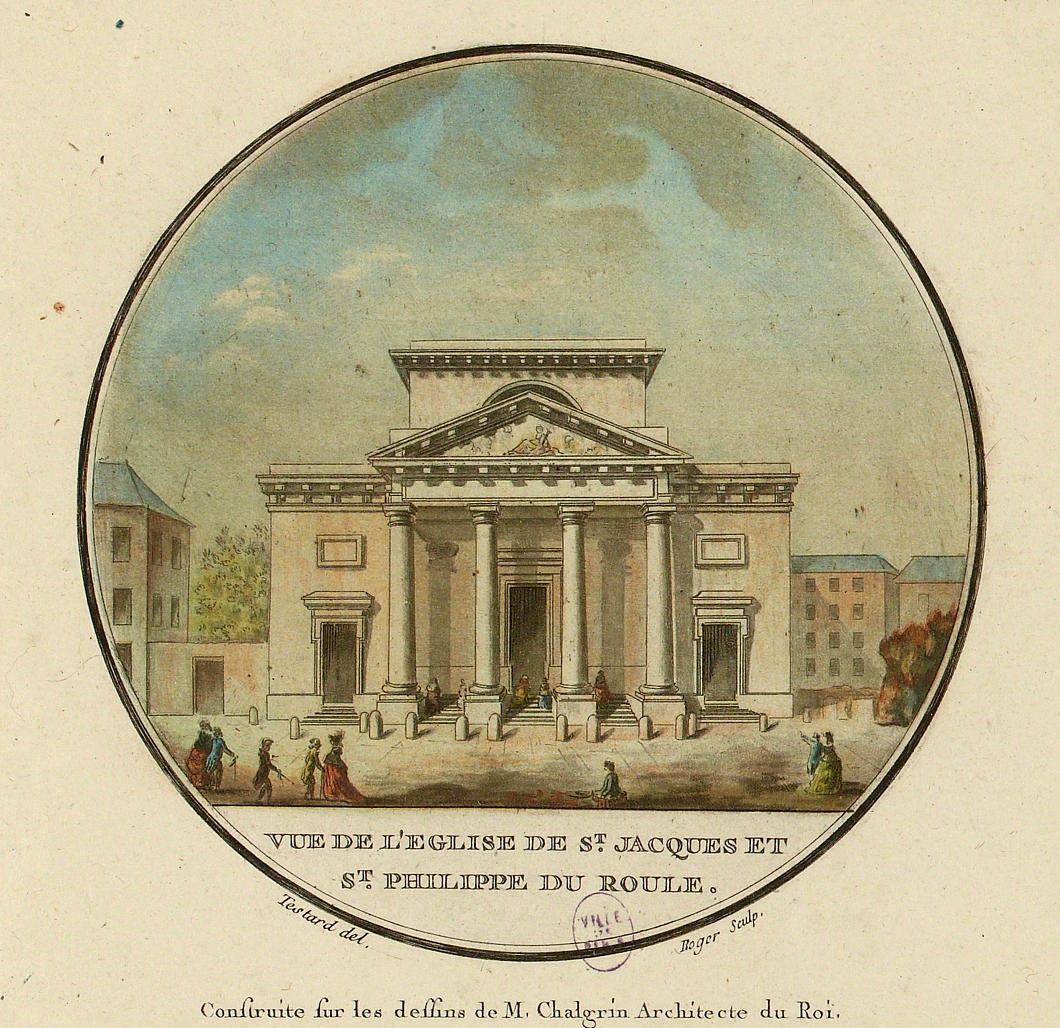
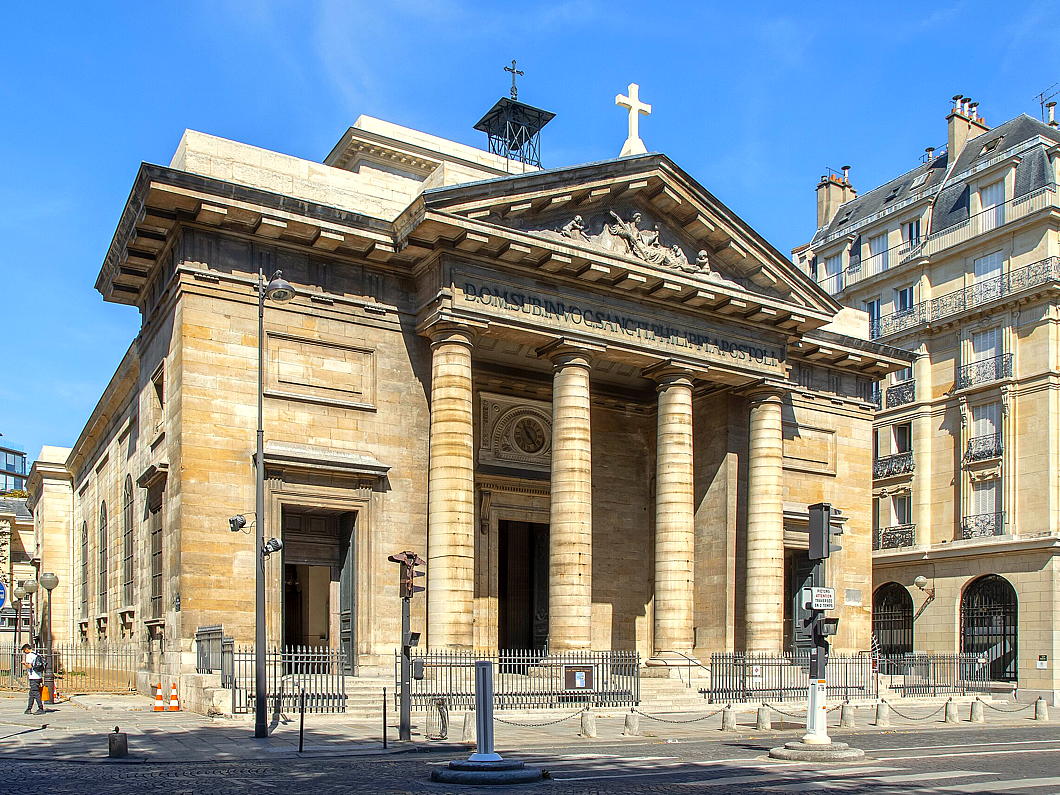
Widowed, grieving, and facing financial difficulty, Eliza returned to Paris, where Louis-Philippe had usurped the throne. Back in the French capital, Eliza embraced the Catholic faith and was received into full communion with the Church. Records identify her as a member of the parish of St-Philippe-du-Roule in the Faubourg Saint-Honoré. In 1833, she went on pilgrimage to Rome where she received a cameo depicting the head of Christ from Gregory XVI’s secretary of state.
Eliza’s final years in Paris were not entirely happy ones. A family member had deprived her of what she thought was her inheritance and she persevered in a state of penury with few possessions. Eliza Monroe Hay died in 1840, with a funeral Mass offered in her parish church and her unmarked grave purchased by the American consul, Daniel Brent.
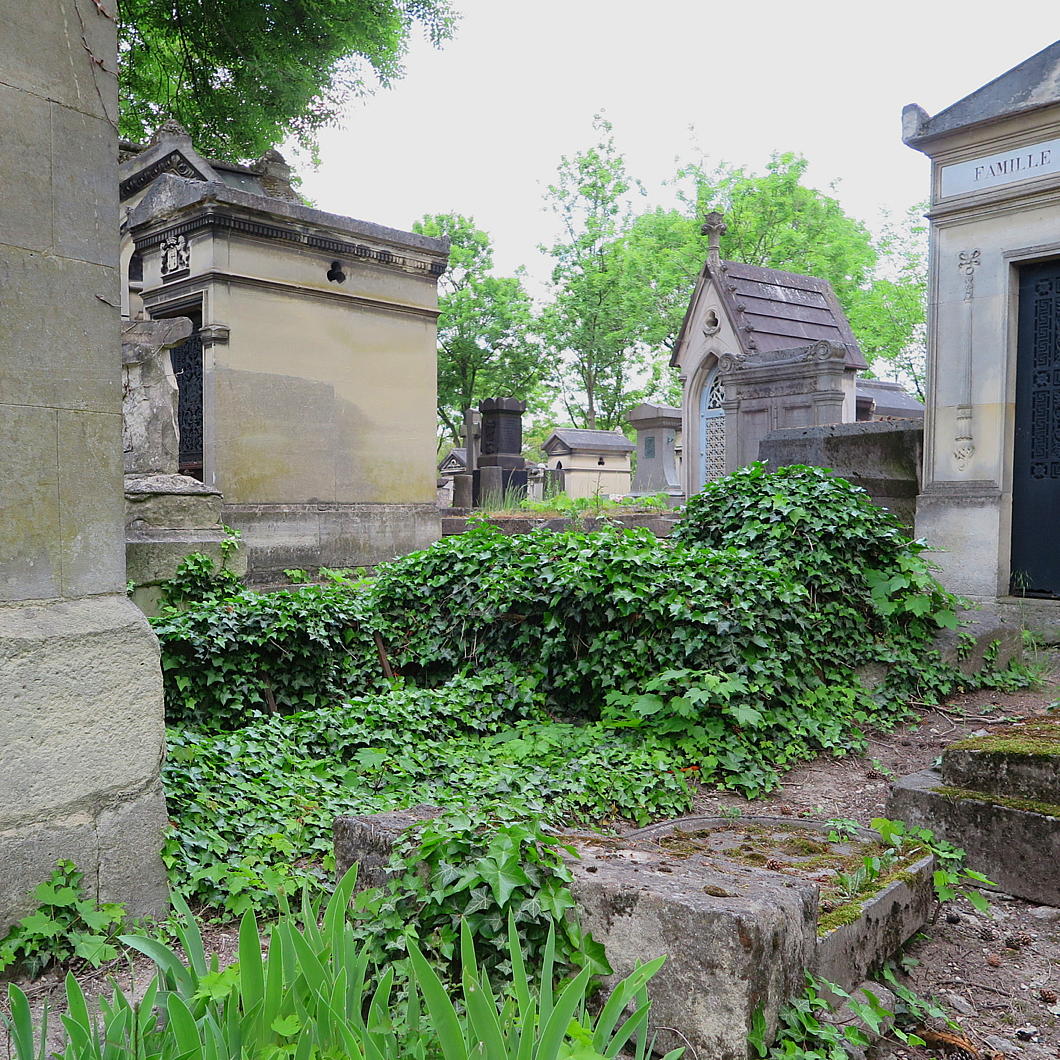
The unmarked grave of Eliza Monroe Hay.
Her memory faded, surviving mainly in family lore. The rediscovery of her letters and her reburial in Virginia have brought her back into view: a woman of faith and dignity, wronged in inheritance, isolated by loss, and now restored to her place among her own thanks to VornDick’s efforts and to her biography Eliza’s True Story: The First Biography of President Monroe’s Eldest Daughter.
For generations a family tradition held that Eliza entered a convent after her conversion. That story appears in some older biographical sketches and even in occasional press references. Recent research — especially VornDick’s examination of Eliza’s correspondence in the archives of the College of William & Mary — has found no documentary evidence that she ever took vows or joined a religious order. The legend of the nun in Paris may have arisen from confusion between her Catholic piety and the religious circles she frequented.
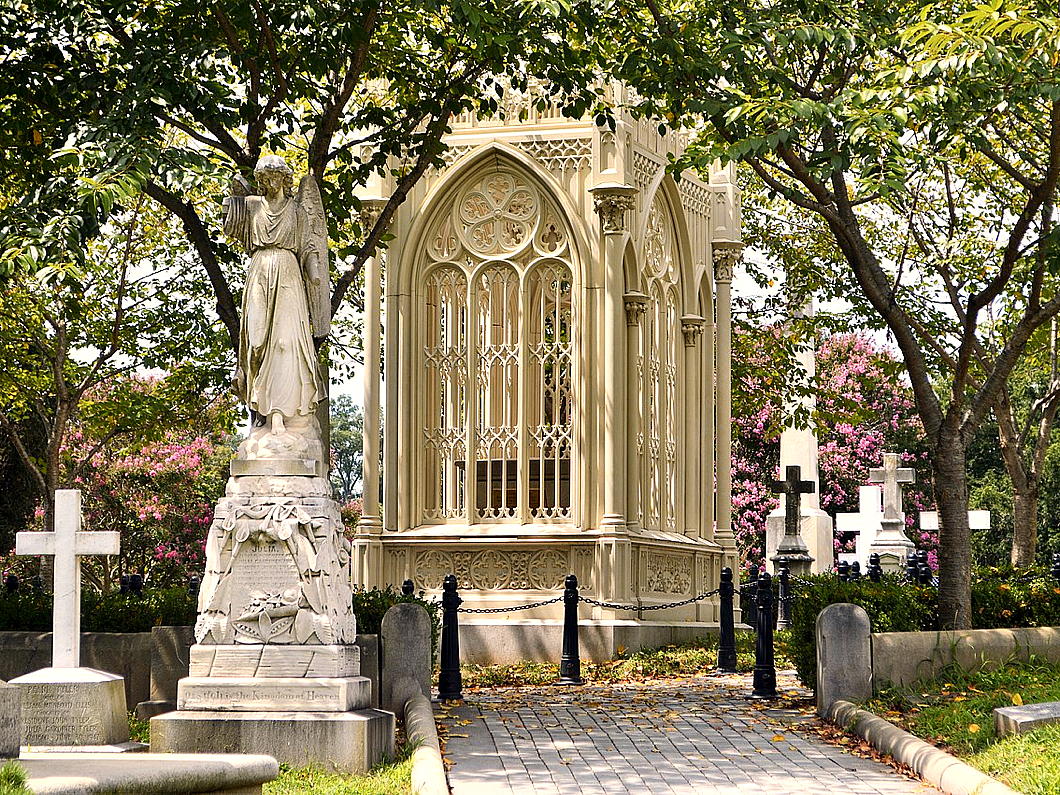
The new resting place is beside hr father’s Gothic tomb — a birdcage of traceery designed by Albert Lybrock in 1859, arches emerging like a filigree chapel above the President’s grave, but in cast-iron painted the colour of stone. The striking funerary monuments now shelters not only the nation’s fifth president but his daughter as well.
The repatriation of Eliza Monroe Hay was not a grand state ceremony but an act of personal devotion. It completes a family story interrupted by distance and time, and restores to American history a figure once nearly forgotten. In the quiet of Hollywood Cemetery, overlooking the James River, the Atlantic divide that once separated the Monroes has finally closed.


College of William & Mary: The forgotten daughter: Eliza Monroe Hay’s story revealed in her last letters
The Brooklyn Tablet: Daughter of President James Monroe Laid to Rest
Catholic News Agency: A Founding Father’s Catholic Daughter is Laid to Rest
Northern Virgina: Author Led Efforts to Rebury Monroe’s Daughter
Search
Instagram: @andcusack
Click here for my Instagram photos.Most Recent Posts
- Brunel’s Unbuilt Capitol February 3, 2026
- Cricket at Fordham January 27, 2026
- Palacio Barolo Revisted January 14, 2026
- Learning to Love Liguria January 14, 2026
- Crux Alba No. 2 January 13, 2026
Most Recent Comments
Book Wishlist
Monthly Archives
Categories