2025 September
About Andrew Cusack
 Writer, web designer, etc.; born in New York; educated in Argentina, Scotland, and South Africa; now based in London.
 read more
News
Blogs
Reviews & Periodicals
Arts & Design
World
France
Mitteleuropa
Knickerbockers
Argentina
The Levant
Africa
Cape of Good Hope
Netherlands
Scandinavia
Québec
India
Muscovy
Germany
Academica
Wave Hill
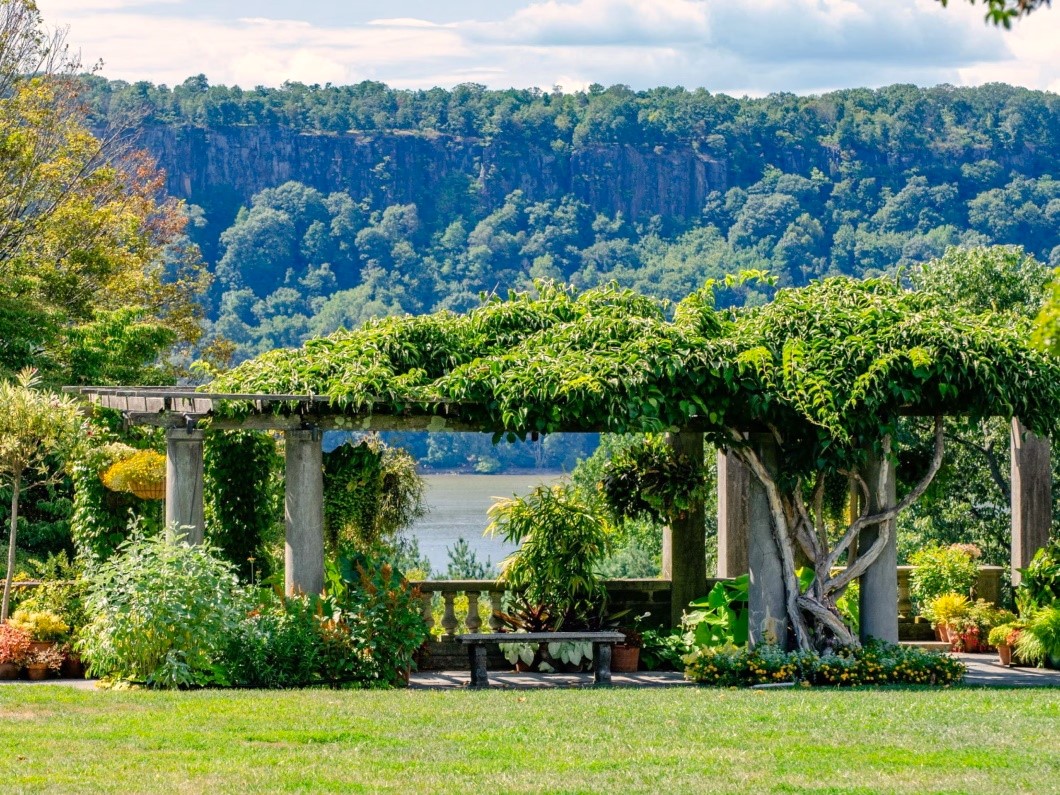
Every few years someone or other ‘rediscovers’ the beauty of Wave Hill, the twenty-eight-acre estate, house — two houses, actually — and garden in the Bronx overlooking the waters of the Hudson River.
This time it is the turn of the Financial Times, who sent Andrew Jack to investigate the domain in the Riverdale neighbourhood of the city’s northern borough:
With trees, lawns and varied and colourful year-round flowerbeds overlooking the river, it feels almost as remote as when it was a lengthy carriage ride from the city for William Lewis Morris, the lawyer who built the original Wave Hill House in 1843.
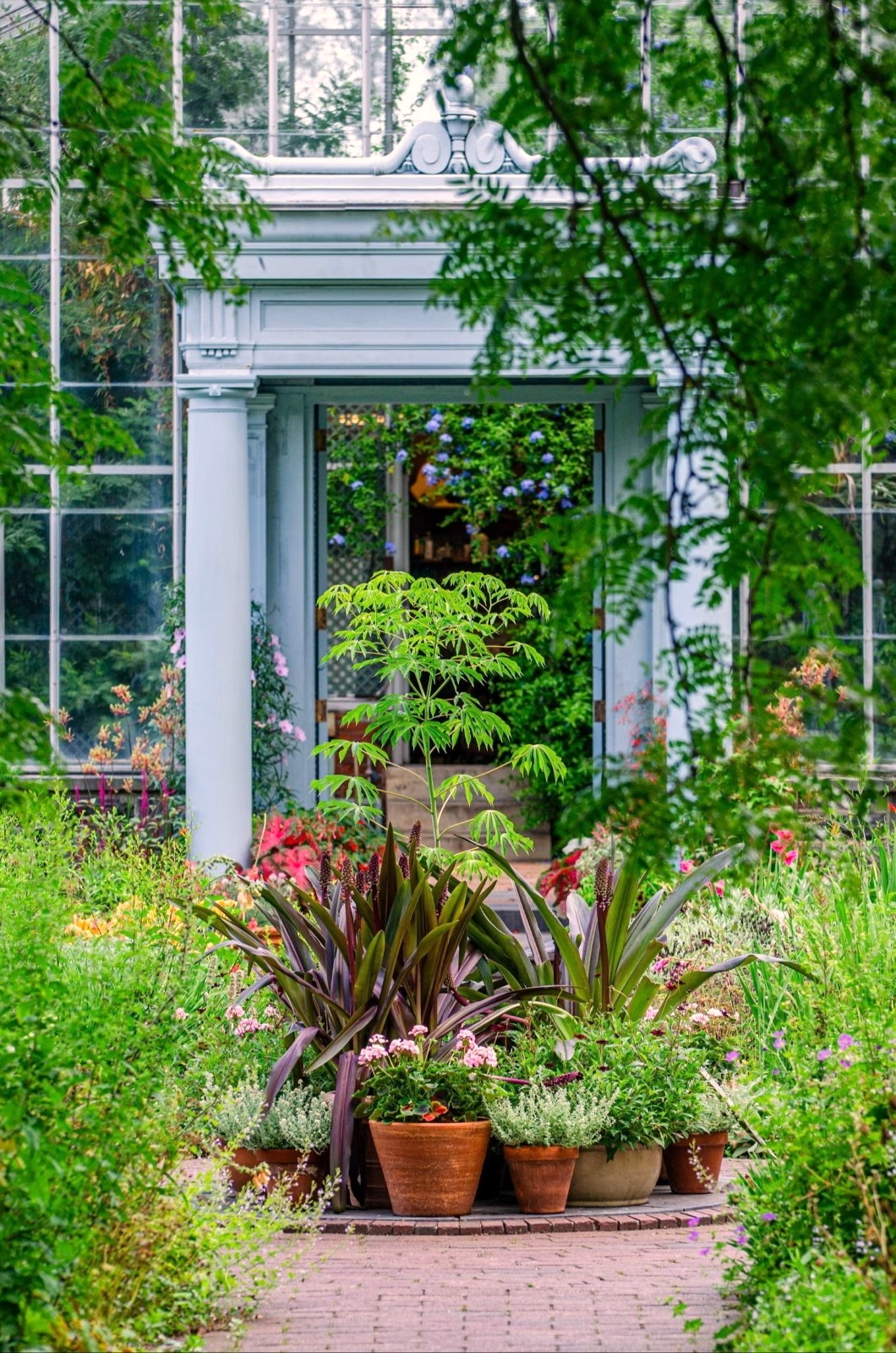
Theodore Roosevelt spent a summer or two here, as did Mark Twain in the later years of his life. George Walbridge Perkins bought it in 1903 and expanded it to include the adjacent Glyndor House.
The ever-crafty Robert Moses persuaded the Perkins-Freeman family to hand Wave Hill over to the City of New York in 1960, and since then it has been carefully looked after and open to the public for a small charge.
(Those Riverdale residents who are not allowed to handle currency on the Jewish Sabbath are allowed to book and pre-pay for entry thus obtaining access without breaking their observance.)
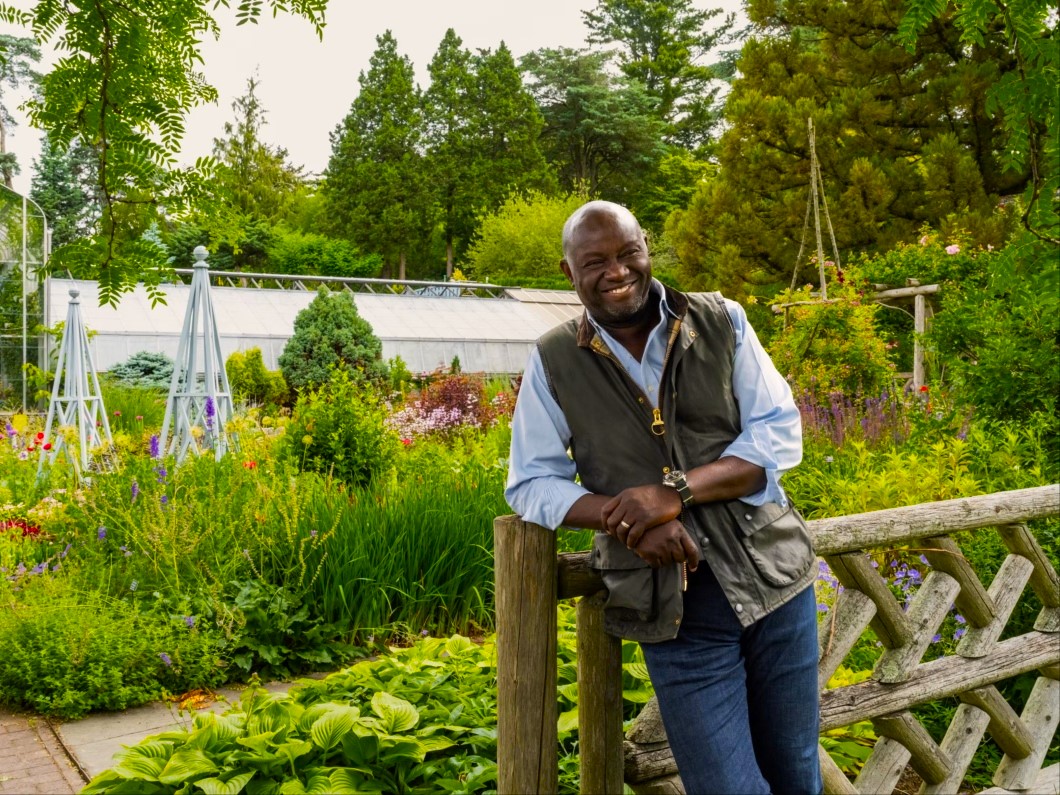
For the past two years, Pratt landscaping graduate Ray Oladapo-Johnson has been in charge of this verdant realm (photographed here by Beowulf Sheehan).
Head over to the FT to read more.
Articles of Note: 15 September 2025
Helen Andrews reminds us what America is losing when adolescents are denied this early schooling in competence and responsibility.
■ Edward Luttwak has been one of the most insightful critics of the Agency’s failings: the perpetual deficit in language skills, front-line regional knowledge, and overall institutional seriousness.
He argues the greatest threat to the CIA isn’t the current inhabitant of the White House but Langley’s own comfort with incompetence.
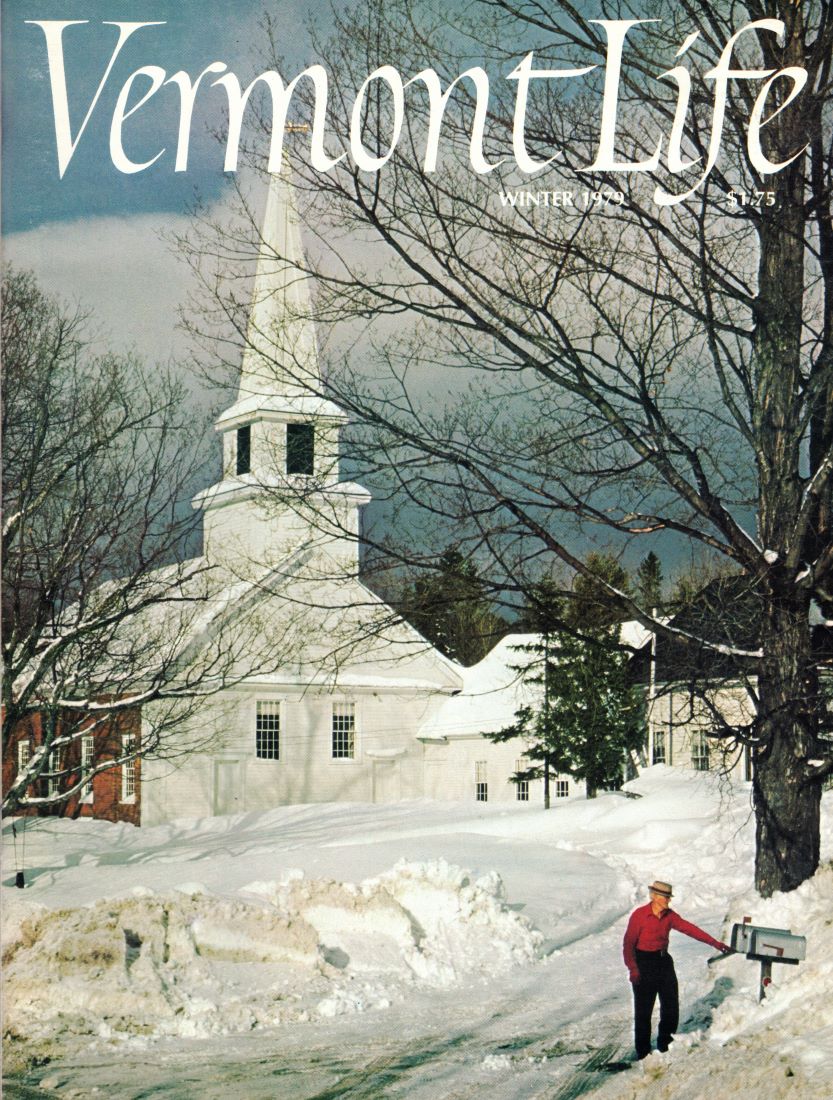
■ The older established small-town America – coastal and mid-Atlantic mostly – offers an incarnation of the conservative idyll: church spires, clapboard houses, civic pride, and other gems worthy of admiration and emulation.
Yet while tradition is revered by conservatives living amidst strip malls and subdivisions, it is liberals who preserve and maintain the old houses and town greens of New England. Aaron Renn looks into the contradictions of this dichotomy.

■ We have – you may have noticed – a lot of time for General de Gaulle. The most famous of his American stalwarts was the dancer, singer, actress – and spy – Josephine Baker. Behind the glamour of the music halls, archives reveal that Baker undertook serious work for the Free French secret services – not just against the Germans, but also against the crafty Middle-Eastern machinations of Great Britain.
■ Amongst political Gaullism’s enduring legacies is Pierre Messmer’s reaction to the Arab oil embargo. The Gaullist PM was determined France would never be caught again with its pants down in terms of energy and crafted a bold plan: forty nuclear reactors around the country, all built within a decade.
Alex Chalmers delves into the planning, procurement, and politics of this feat of engineering and of statecraft.
■ The English-speaking world fails to devote enough bandwidth to Brazilian history and culture.
Ryan Musto explores Washington’s plea for Brasilia to send troops to Vietnam and the outbreak of caution in influential milieux that spared Brazil a costly entanglement.
■ After Mormonism, the teachings of Mary Baker Eddy must rank amongst the strangest religions to have emerged from American soil.
Elijah Granet explains how Christian Science achieved the realms of inoffensive boredom and assimilated, at least in part, to a cultural Protestant mainstream while maintaining a disproportionate prominence.
Search
Instagram: @andcusack
Click here for my Instagram photos.Most Recent Posts
- Brunel’s Unbuilt Capitol February 3, 2026
- Cricket at Fordham January 27, 2026
- Palacio Barolo Revisted January 14, 2026
- Learning to Love Liguria January 14, 2026
- Crux Alba No. 2 January 13, 2026
Most Recent Comments
Book Wishlist
Monthly Archives
Categories