Virginia
About Andrew Cusack
 Writer, web designer, etc.; born in New York; educated in Argentina, Scotland, and South Africa; now based in London.
 read more
News
Blogs
Reviews & Periodicals
Arts & Design
World
France
Mitteleuropa
Knickerbockers
Argentina
The Levant
Africa
Cape of Good Hope
Netherlands
Scandinavia
Québec
India
Muscovy
Germany
Academica
The Long Homecoming of Eliza Monroe
A presidential daughter is reunited with her parents
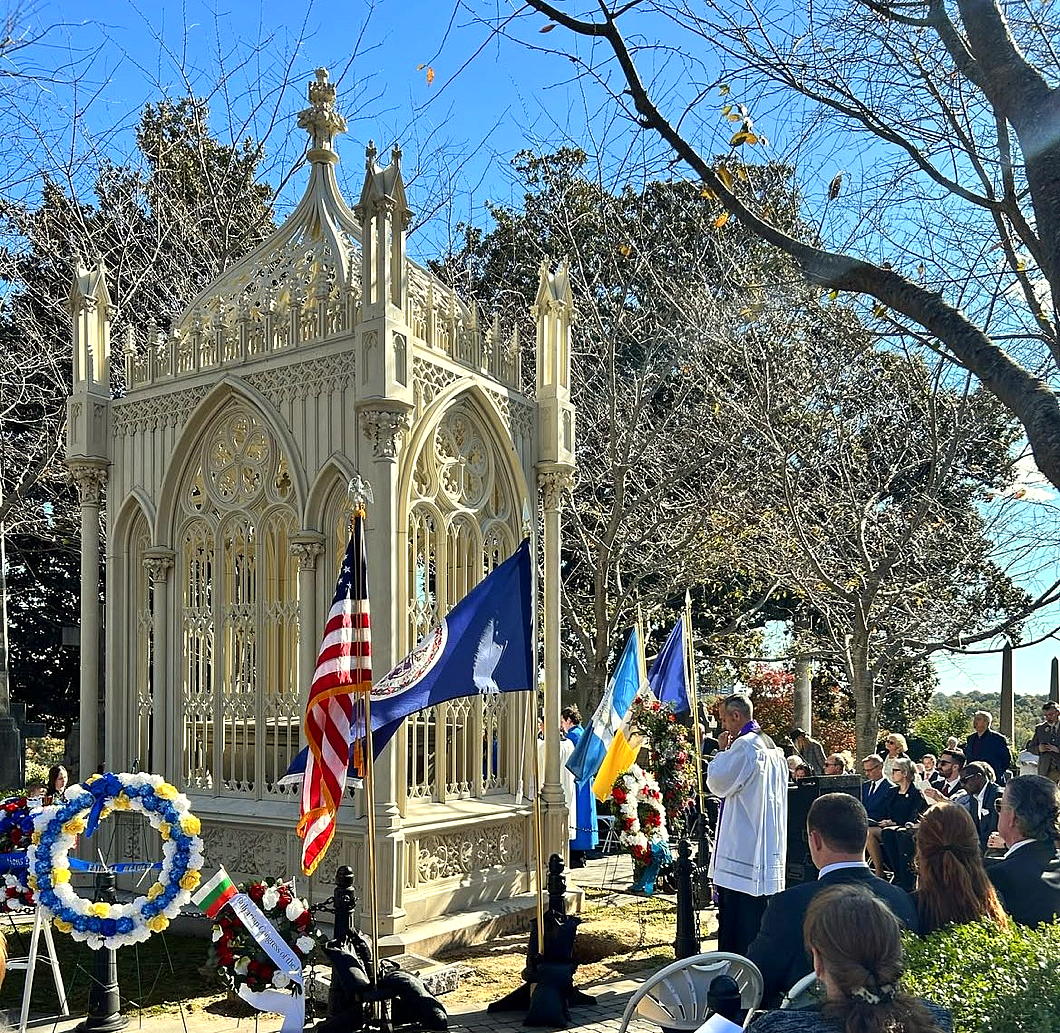
Nearly one hundred and eighty-five years after her death in Paris, the mortal remains of Eliza Monroe Hay — daughter of the fifth President of the United States — have been laid to rest in Richmond, Virginia. Her reburial beside her parents President James Monroe and First Lady Elizabeth Monroe marks the end of a long and curious chapter in the history of this illustrious American family.
The return of Eliza’s remains was the work of Barbara VornDick, a retired Virginia educator who spent more than a decade tracing Monroe descendants, searching archives and navigating French and American bureaucracy.
Working with the U.S. Embassy in Paris and the Diocese of Richmond, VornDick secured the exhumation and transport of Eliza’s remains from an unmarked Parisian grave to the family plot.
The Holy Sacrifice of the Mass was offered for the repose of Eliza Monroe Hay’s soul at the Cathedral of the Sacred Heart before the re-interment in Hollywood Cemetery on 23 October 2025.
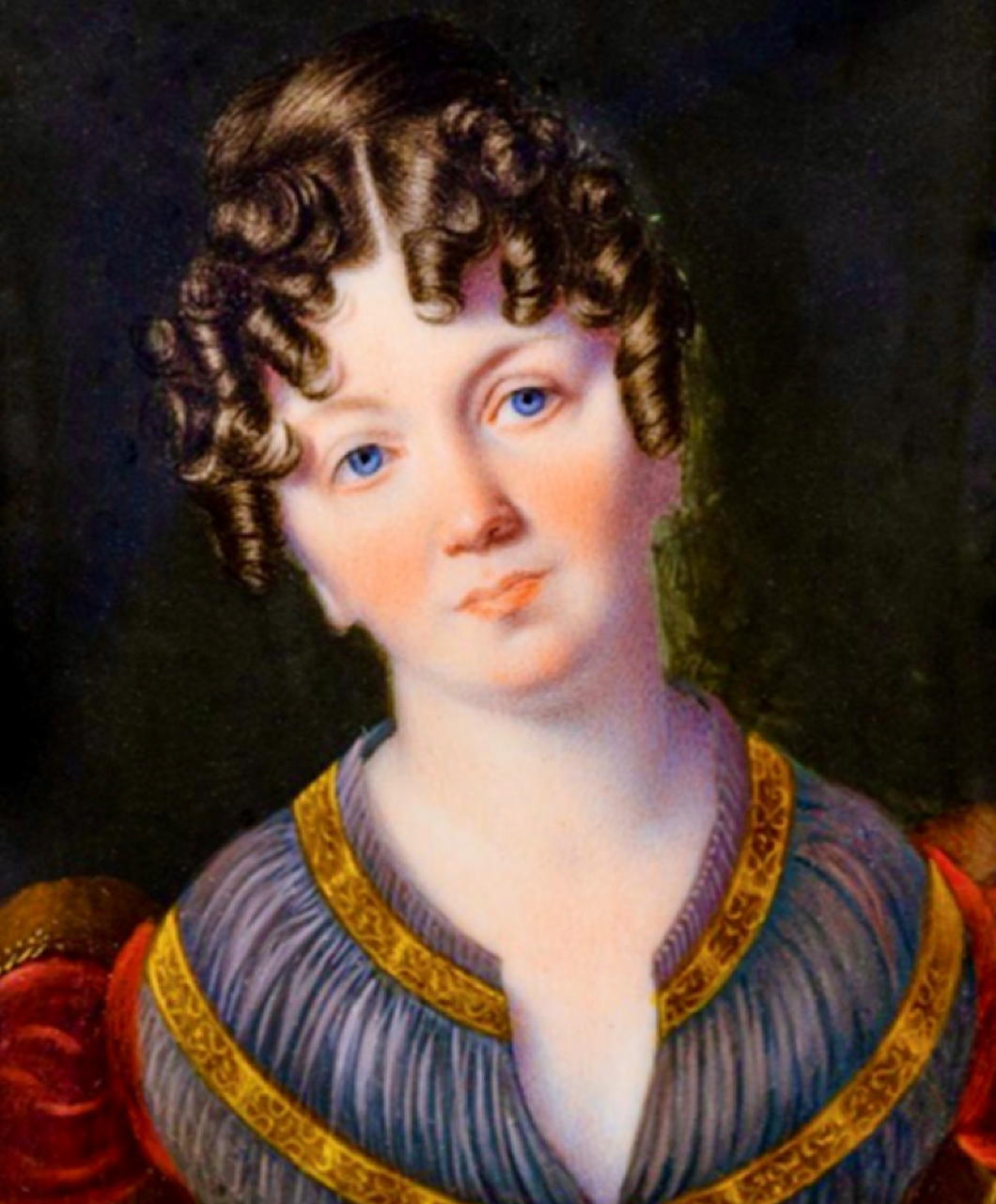
Born in Fredericksburg in 1786, Eliza Kortright Monroe grew up between Virginia and revolutionary France, where her father served as U.S. minister (as ambassadors were generally called then). A great part of her education took place in Paris where became accustomed to the courtly formality of Europe. Among the friends she made was Hortense de Beauharnais, stepdaughter of Napoleon and eventually queen consort of Holland as the wife of Lodewijk I (Luigi Buonaparte), the Emperor’s younger brother.
When James Monroe became president in 1817, her mother’s poor health led Eliza to assume many of the social duties expected of the chatelaine of the White House. Later commentators sometimes judged her reserved manner harshly, but it reflected both her upbringing and her experience of diplomacy.
In 1808 Eliza married George Hay, a Virginia lawyer best known as the U.S. Attorney who prosecuted Aaron Burr in his trial for treason before Chief Justice John Marshall the previous year. They had one daughter who was christened Hortensia after the mother’s childhood friend who acted as godmother. Hay died in 1830, followed within a year by Eliza’s mother and father.
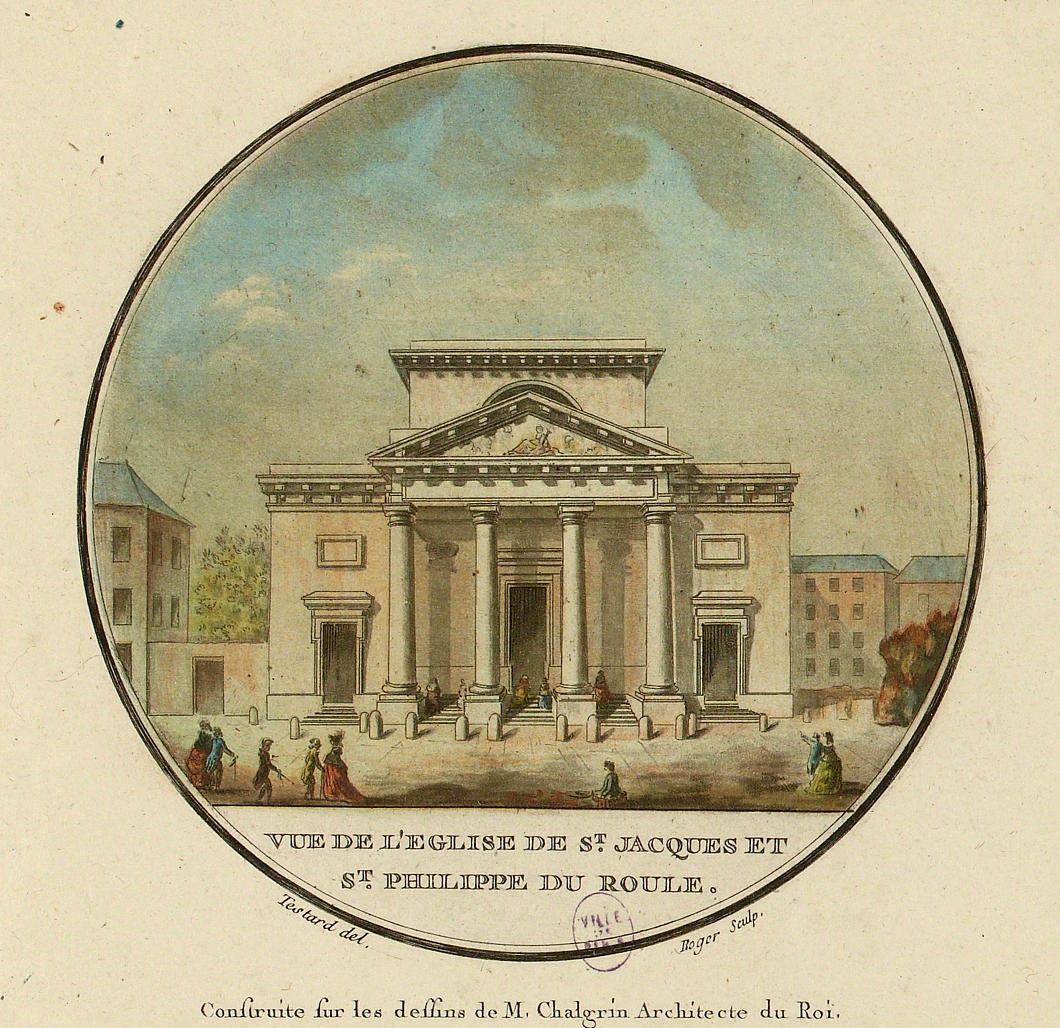
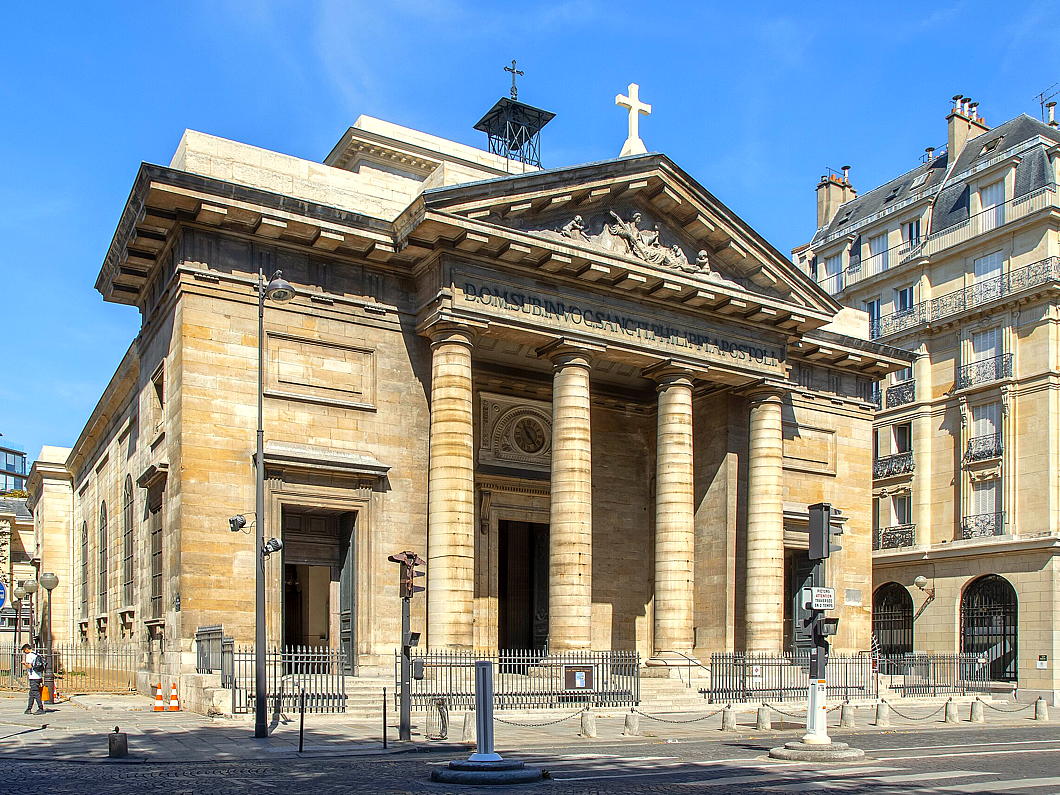
Widowed, grieving, and facing financial difficulty, Eliza returned to Paris, where Louis-Philippe had usurped the throne. Back in the French capital, Eliza embraced the Catholic faith and was received into full communion with the Church. Records identify her as a member of the parish of St-Philippe-du-Roule in the Faubourg Saint-Honoré. In 1833, she went on pilgrimage to Rome where she received a cameo depicting the head of Christ from Gregory XVI’s secretary of state.
Eliza’s final years in Paris were not entirely happy ones. A family member had deprived her of what she thought was her inheritance and she persevered in a state of penury with few possessions. Eliza Monroe Hay died in 1840, with a funeral Mass offered in her parish church and her unmarked grave purchased by the American consul, Daniel Brent.
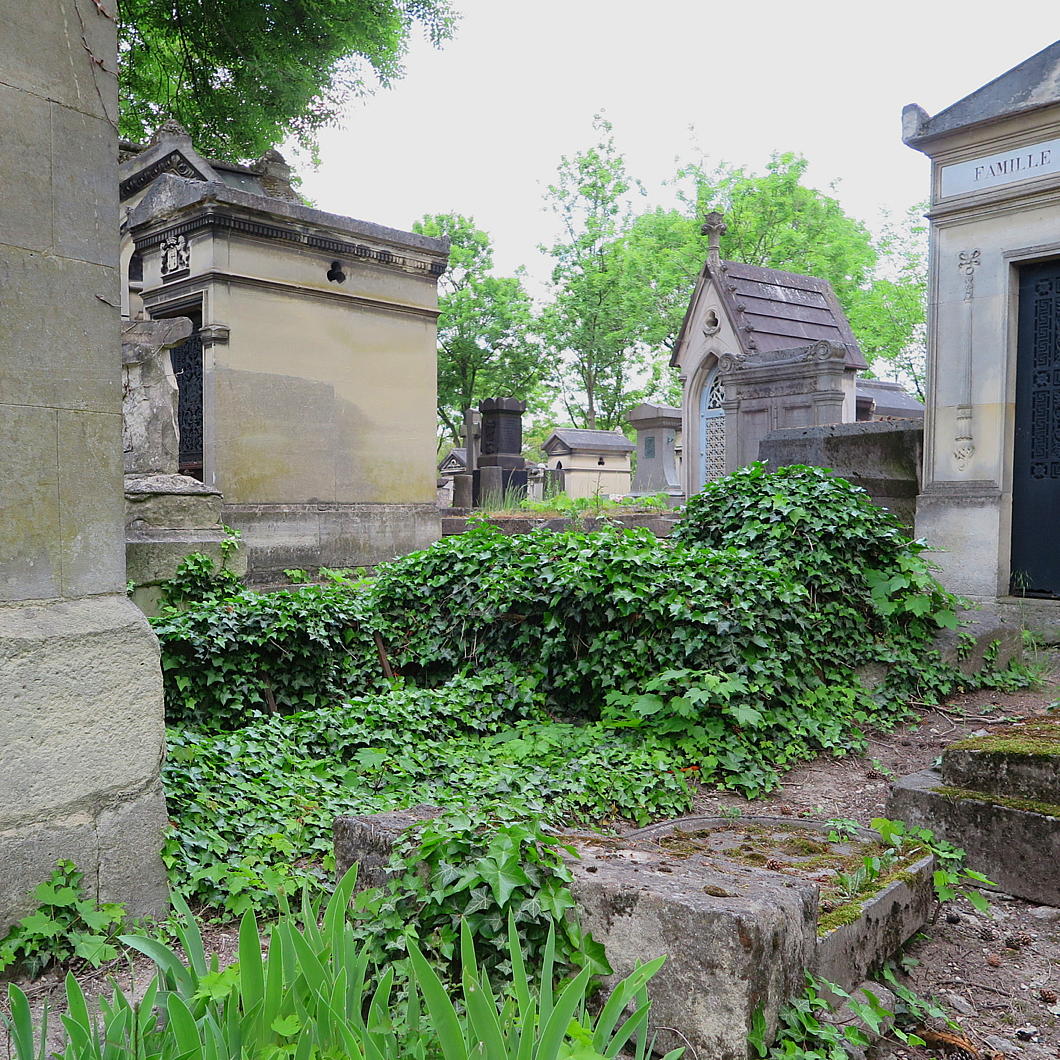
The unmarked grave of Eliza Monroe Hay.
Her memory faded, surviving mainly in family lore. The rediscovery of her letters and her reburial in Virginia have brought her back into view: a woman of faith and dignity, wronged in inheritance, isolated by loss, and now restored to her place among her own thanks to VornDick’s efforts and to her biography Eliza’s True Story: The First Biography of President Monroe’s Eldest Daughter.
For generations a family tradition held that Eliza entered a convent after her conversion. That story appears in some older biographical sketches and even in occasional press references. Recent research — especially VornDick’s examination of Eliza’s correspondence in the archives of the College of William & Mary — has found no documentary evidence that she ever took vows or joined a religious order. The legend of the nun in Paris may have arisen from confusion between her Catholic piety and the religious circles she frequented.
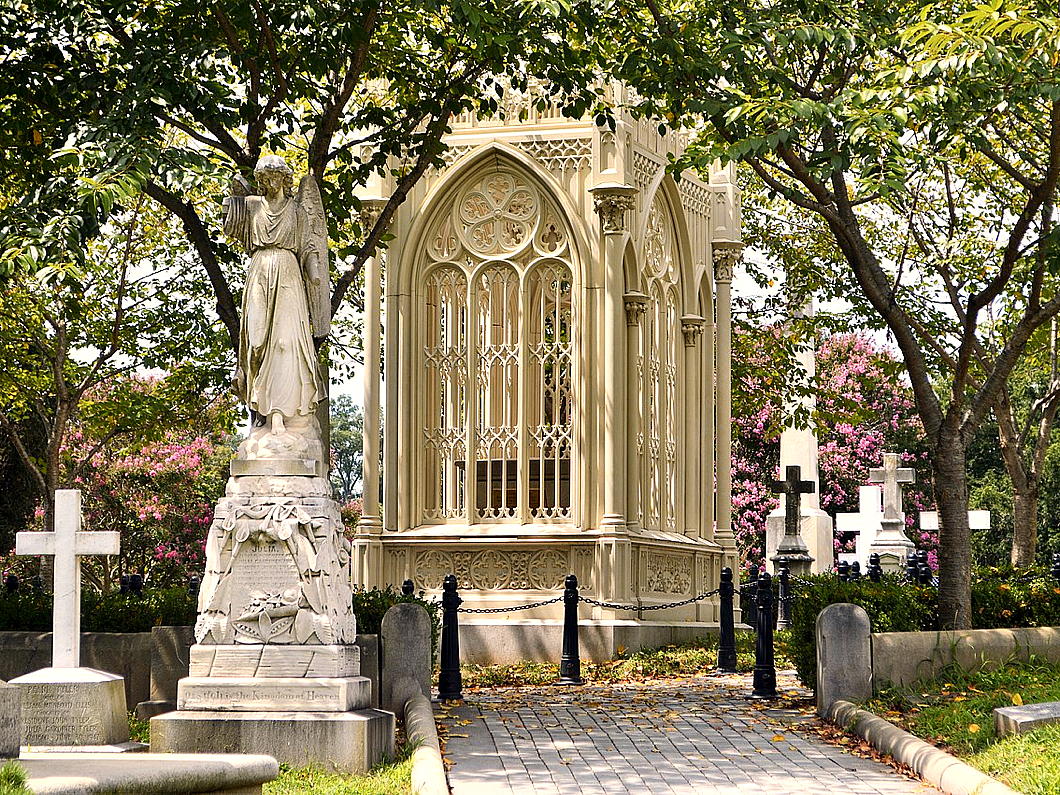
The new resting place is beside hr father’s Gothic tomb — a birdcage of traceery designed by Albert Lybrock in 1859, arches emerging like a filigree chapel above the President’s grave, but in cast-iron painted the colour of stone. The striking funerary monuments now shelters not only the nation’s fifth president but his daughter as well.
The repatriation of Eliza Monroe Hay was not a grand state ceremony but an act of personal devotion. It completes a family story interrupted by distance and time, and restores to American history a figure once nearly forgotten. In the quiet of Hollywood Cemetery, overlooking the James River, the Atlantic divide that once separated the Monroes has finally closed.
College of William & Mary: The forgotten daughter: Eliza Monroe Hay’s story revealed in her last letters
The Brooklyn Tablet: Daughter of President James Monroe Laid to Rest
Catholic News Agency: A Founding Father’s Catholic Daughter is Laid to Rest
Northern Virgina: Author Led Efforts to Rebury Monroe’s Daughter
Christ Church

Christ Church
Lancaster County, Commonwealth of Virginia
Nonetheless, this gem of the American Georgian building arts — designed by an unknown hand — is an almost miraculous survival.
It was built 1732-35 by Col. Robert “King” Carter, the planter and merchant lord who served as Speaker of the House of Burgesses, President of Virginia’s Privy Council (the Governor’s Council or Council of State), and eventually Acting Governor of the Dominion.
The regal moniker by which he was known reflected the wealth and power he obtained in the colony, and Christ Church was constructed to serve Carter’s country seat at Corotoman.
The substantial mansion had burned down in 1729 but Carter carried on, living in the dower house of the estate. Such was his wealth that the fire barely featured in his diary, though he much lamented the complete loss of the wine cellar.
Christ Church had no natural parish and the loss of supporting glebe lands after the Church of England was disestablished in Virginia in 1786 removed the main source of funds to maintain the church.
It was only intermittently used during the nineteenth century, but in 1927 the Association for the Preservation of Virginia Antiquities took charge of the site and began restoring Christ Church.
In 1958 that esteemed body erected the Foundation for Historic Christ Church which has devoted its attention and resources to the care of this Georgian treasure ever since.
This work has by no means been limited to architectural preservation: the Foundation promotes scholarly research on the Carters, the world of the Virginia plantations, and every aspect thereof, in addition to operating a museum on the site to explain Christ Church to visitors and travellers.
Thanks to the efforts of Edmund Berkeley Jr (1937-2020) — who carried on the work of his uncle Francis L. Berkeley (1911-2003) on Virginia’s colonial papers — the surviving diary, correspondence, and papers of “King” Carter are now in the care of the Historic Christ Church museum.
Most importantly, God is still worshipped in some form at Christ Church: the Episcopalian congregation in Kilmarnock, Va., holds Sunday morning services here from June through September according to ‘Rite One’ of the Protestant Episcopal Church’s Book of Common Prayer.
The church is best approached through the simple avenue of cedar trees that leads the visitor straight to Christ Church’s west door.
It looks particularly cozy in winter.

and Michael Kotrady via Wikimedia Commons (modified).
State Flags Considered
The famous Matthew Alderman provoked a disputation on Facebook the other day regarding amongst other things (jousting got a mention) the relative merits of U.S. state flags. I touched upon this subject previously in a post discussing the arms of the Commonwealth of Massachusetts, when I noted the lamentable tradition in American state flags is for the state seal or emblem to be presented on a blue field. Overall, I have to admit that Maryland has the best flag of any U.S. state: it is heraldic, relatively simple, and overwhelmingly traditional. The Facebook commenting led to an all-out war of annihilation between a lasse of Virginia and one of Maryland on the relative merits of their respective state flags. Right as it is for Virginians to defend the great inheritance of their fair dominion, there is simply no contest here: Maryland’s flag is the overlord.
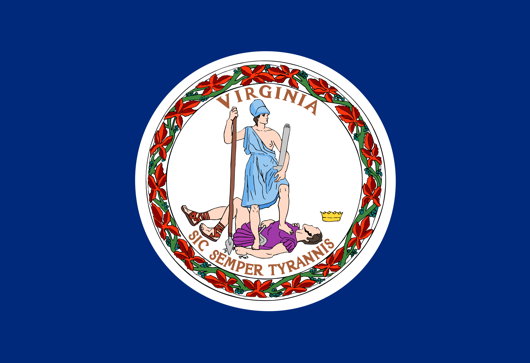
Just look at Virginia’s (above) state flag! A total yawn-fest, I’m afraid. State seal on blue — how original. It would be far better if they took their ancient coat of arms and followed Maryland’s example by using a banner of arms. In Virginia’s case that would mean a red Cross of St George with the crowned shields of Scotland and Ireland in two quarters and of the quartered French & English arms in the other two quarters. Very handsome.

I don’t really like many other state flags (my geboorteland of New York is no exception: once again a banner of its arms would be much more handsome). Of the few I do enjoy, California rakes highly. It has a certain panache, and the words ‘California Republic’ are a healthy reminder of wherein lies the sovereignty. And interestingly, if the Soviets ever take California (“You mean they haven’t?”) they wouldn’t have to change the flag at all, as it already has a red star.
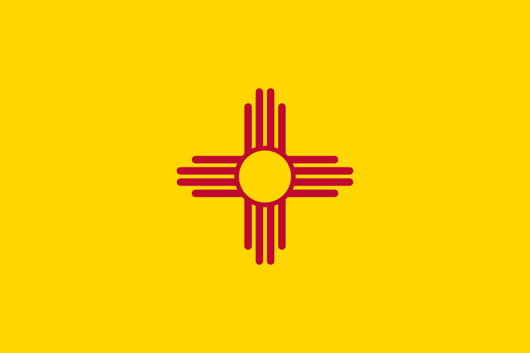
New Mexico’s is admirably simple and different, but one does worry if it’s a bit too simple: the Zia sun symbol veers eerily close to being a corporate icon. The uber-trad proposal would be to replace it with the yellow-field Cross of Burgundy.

The flag of South Carolina also gets an honourable mention, with its comely combination of palmetto tree and crescent moon. Rendered in red and white instead of blue and white, it is the flag of the Citadel, South Carolina’s military college.
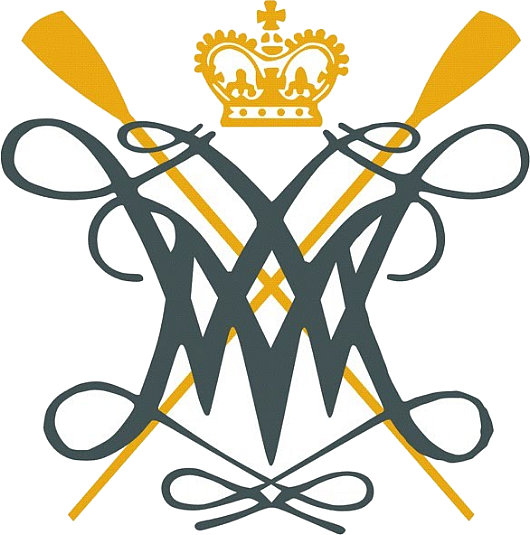
The William & Mary Cypher

In addition to its coat of arms, the College of William & Mary makes good use of the royal cypher of its eponymous monarchs, as seen above, in a version used by the whole university (it is a ‘college’ only in name), and below in a variant used by the William & Mary Rowing Club.
St Andrews, William & Mary join forces
The oldest universities in Scotland and Virginia announce they will offer a series of joint degree programs
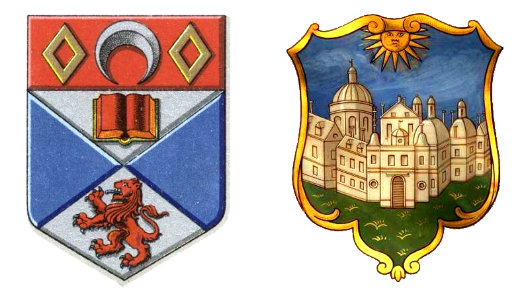
The University of St Andrews in Scotland and the College of William & Mary in Virginia are to begin offering joint degree programs starting in the autumn of 2011. Students admitted to the programs will receive a single Bachelor of Arts degree issued on behalf of both institutions — which will be the only B.A. offered by St Andrews, whose arts & humanities undergraduates typically graduate with an M.A.
The joint degrees will be available in four fields — history, international relations, English, and economics — with the aim of combining the depth traditional to the Scottish style of education with the breadth of William & Mary’s liberal curriculum. Students will spend the first year at their home university, followed by a second year abroad, with the remaining two years divided between the two. The program will start with about forty students divided between the two, with the hope to gradually double that size.
St Andrews is the oldest university in Scotland, and third-oldest in the English-speaking world. The College of William & Mary (now a university, despite its name) is the oldest in Virginia, the second-oldest in the United States, the third-oldest in North America, and the ninth-oldest in the English-speaking world. William & Mary, which is located in Virginia’s ancient capital of Williamsburg, has traditionally maintained links to Great Britain even after the Dominion of Virginia was recognised as independent in 1783. Queen Elizabeth II has visited the College twice, first in 1957 and more recently in 2007, and her former prime minister, Baroness Thatcher, served as Chancellor of the University.


The Queen in Williamsburg
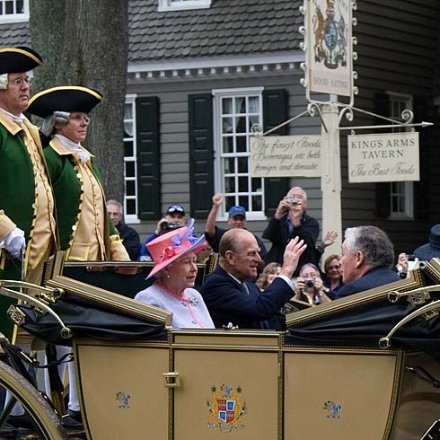
THE QUEEN HAS once again visited Williamsburg, Virginia’s ancient capital, after an absence of half a century. His Excellency Mr. Timothy Kaine, the Governor of the Commonwealth Virginia, was good enough to call a public holiday in the state, giving public workers the day off in celebration of the Queen’s visit. During the trip, Her Majesty spoke to the General Assembly of Virginia, the oldest legislature in the New World, in Richmond (the current capitol), as well as meeting privately with the friends and relatives of the victims of the recent tragedy at Virginia Tech. In Williamsburg, she received an honorary degree from the College of William and Mary and was the guest at a luncheon at the Governor’s Palace, once the official residence of her predecessors’ viceroys in Virginia. (more…)
Old Dominion Will Receive Her Majesty
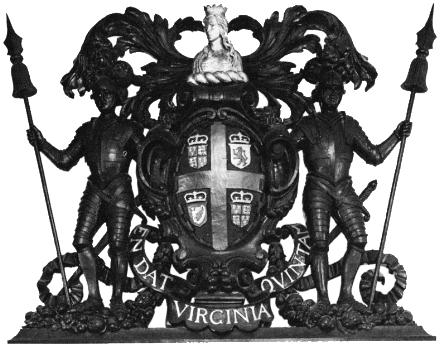
With these words spoken yesterday in the House of Lords, the Queen revealed the plans for her visit to the Commonwealth of Virginia for the upcoming celebrations surrounding the quatercentenary of the first permanent English settlement in the New World. Her Majesty is no stranger to Virginia, nor even to Jamestown, as her very first visit to the New World took place in 1957 when she attended the 350th anniversary celebrations at Jamestown. Following that 1957 official visit to the United States, the Queen opened her parliament at Ottawa for the first time since her accession to the Canadian throne. (more…)
Old Dominion, New Mace
THE HOUSE OF DELEGATES OF THE COMMONWEALTH OF VIRGINIA
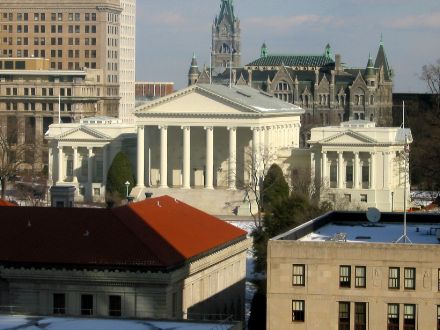
VIRGINIA IS THE birthplace of Anglo-America, and as such it has managed to maintain higher standards of propriety than most other places in the States, including its long-time rival, New England. Governors, for example, still wear morning dress for their inaugurations rather than the lamentable business suit which has usurped events even so high and mighty as the inauguration of the President of the United States. (Carter abolished morning dress for the inauguration, Reagan wore it 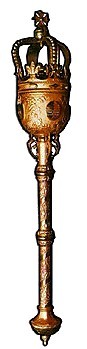 for his first with a stroller instead of tailcoat, but since then it’s been suits all around). Roger Scruton, Britain’s greatest living Conservative thinker, recently moved with his family to Virginia to enjoy the fruits of American freedom since one of his favorite pasttimes, outlawed back in the Mother Country, thrives in his new home. The origin of Virginia’s traditional nickname, ‘the Old Dominion’, is from King Charles II who granted the Colony that title of Dominion as a recognition of its steadfast loyalty to the Crown during the trying days of the Interregnum.


Some traditions, however, have been mournfully discontinued. Virginia’s House of Burgesses was the first legislative body in the New World but its name was changed to the House of Delegates during the Revolution. (North Carolina, meanwhile, kept its House of Commons until it was defeated by the United States in the Civil War). Nonetheless, the House sat in the antiphonal pattern akin to the British and Commonwealth parliaments until 1904 when it adopted the dastardly French republican semicircular seating plan. To my knowledge, it was the last American legislature (outside of Canada, of course) to arrange its seating in the traditional way. (more…)
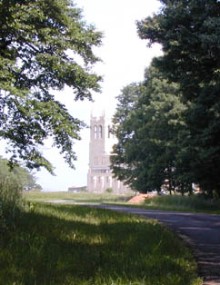
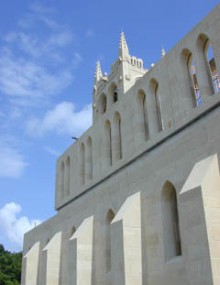
A Gothic Abbey in Virginia

HDB/Cram and Ferguson has designed a Gothic abbey for an apparently schismatic Benedictine congregation in the mists of the Blue Ridge mountains of Virginia. It looks as if it will be very beautiful when finished but, alas, will not be open to the public as these Benedictines seem to greatly value their privacy. See the article, ‘In Virginia, a monastery rises in the mountains‘ (Associated Press, 2004).

A 250-Year-Old Mace in the Old Dominion
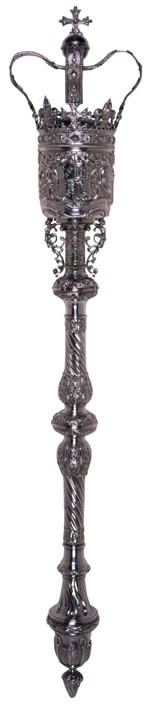 THE MACE OF the City of Norfolk in the Commonwealth of Virginia is believed to be the oldest civic mace in any of the United States still in use by the city for which it was made. Robert Dinwiddie, the Lieutenant Governor and Commander-in-Chief of the Dominion of Virginia, commissioned the English silversmith Fuller White to make the silver and wood mace for the City of Norfolk, at the time the largest town in the crown colony. The inscription around the base of the bowl of the Mace denotes the generous donation:
Despite the inscription of 1753, the mace took some time to reach the shores of America, and the minutes of the Norfolk council record the actual presentation:
Fuller White built the mace of eleven interlocking pieces of sterling silver weighing 104 ounces, which centered around a wooden rod. The Norfolk mace measures forty-one-and-a-half inches long from the very bottom of the base to the apex of the crown.
The Royal Arms, depicted in three places on the mace, most prominently outside the bowl and inside the base of the crown, are those of George II, Britain’s second German king known for his poor grasp of the English language.
In several places on the mace are depicted national emblems of George’s realm: the English rose, the Scottish thistle, the Irish harp, and the fleur-de-lis representing the claim to the throne of France still maintained — at least heraldically — at the time. (more…)
Blessing the Hounds in Virginia
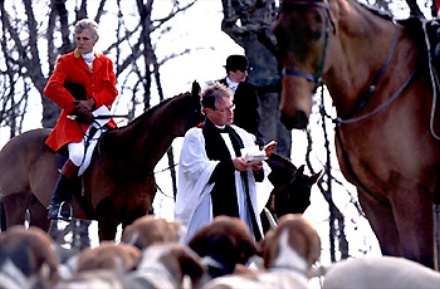
Photo: National Geographic
Search
Instagram: @andcusack
Click here for my Instagram photos.Most Recent Posts
- Brunel’s Unbuilt Capitol February 3, 2026
- Cricket at Fordham January 27, 2026
- Palacio Barolo Revisted January 14, 2026
- Learning to Love Liguria January 14, 2026
- Crux Alba No. 2 January 13, 2026
Most Recent Comments
Book Wishlist
Monthly Archives
Categories